Commercial Special Trucks · LHD & RHD · FOB / CIF

BUYING GUIDES & FLEET DECISIONS

Make the specification work for your business.

Purchase decisions for working fleets: configuration choices, quotation scope, chassis comparisons and destination planning.

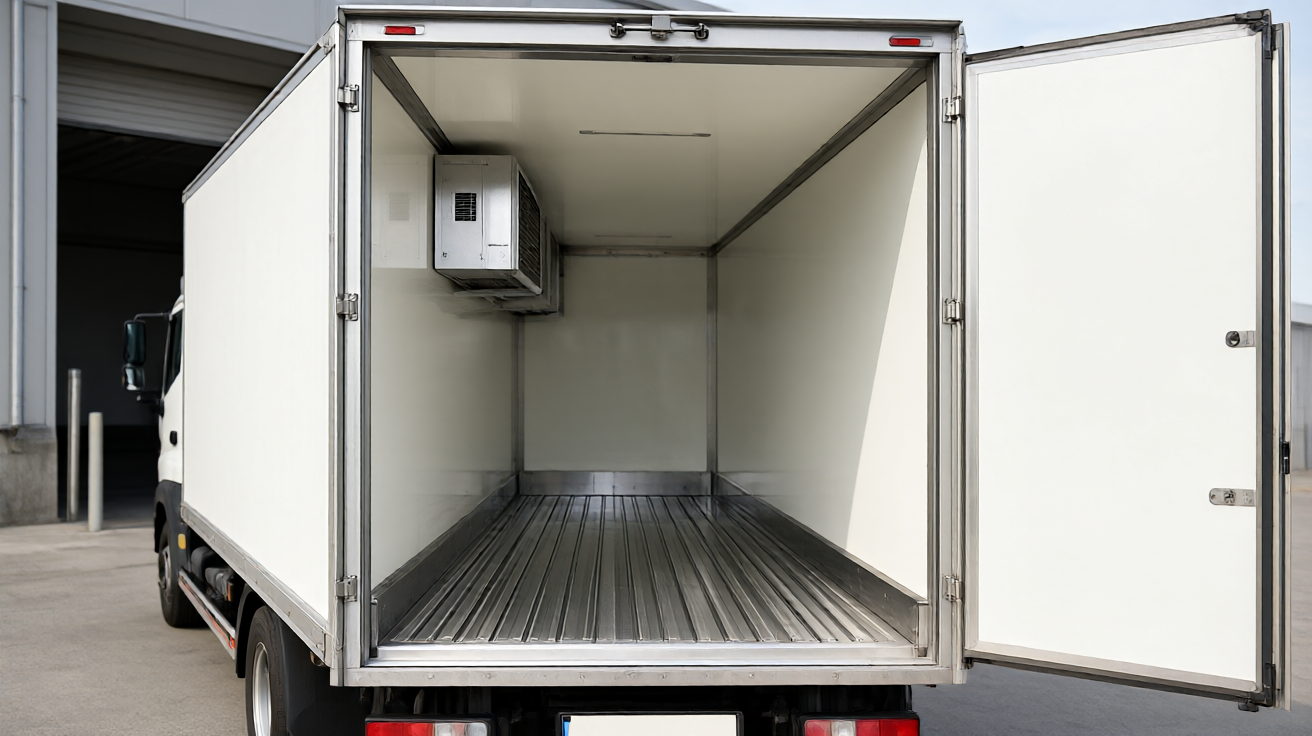
How to Choose Reefer Truck Capacity & Cooling Units
BUYING GUIDE

How to Choose Reefer Truck Capacity & Cooling Units

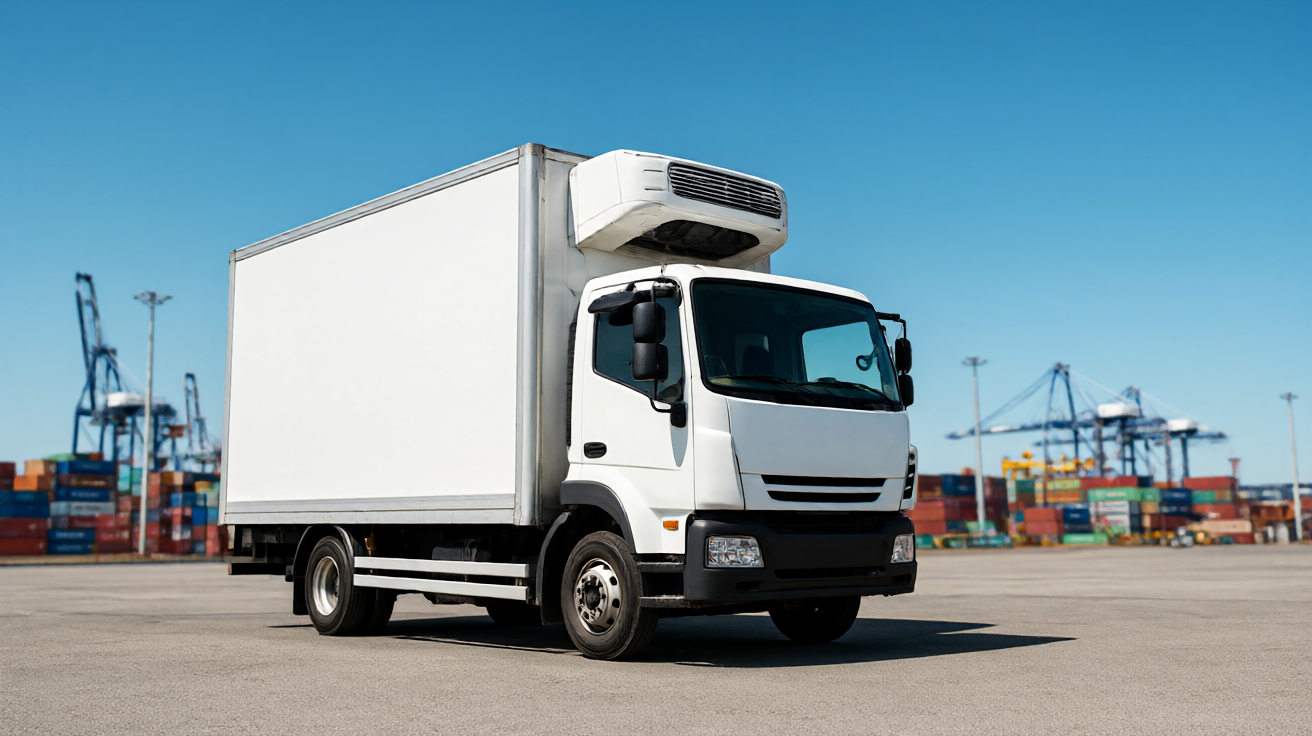
Choosing the right refrigerated truck requires matching four interconnected variables—**cargo density and daily drop volume**, **required temperature zone (+15°C down to -20°C)**, **route duration (urban multi-drop vs. intercity trunking)**, and **local ambient heat (+35°C to +45°C)**. Pair 3.5–6.2 m urban trucks with engine-driven cooling units (plus optional electric standby) for city routes, and step up to 7.2–9.6 m trucks with independent diesel cooling units for overnight or cross-border cold chains.

Read the guide ↗
Specifying a Fuel Bowser for Mining & Quarry Sites
BUYING GUIDE

Specifying a Fuel Bowser for Mining & Quarry Sites

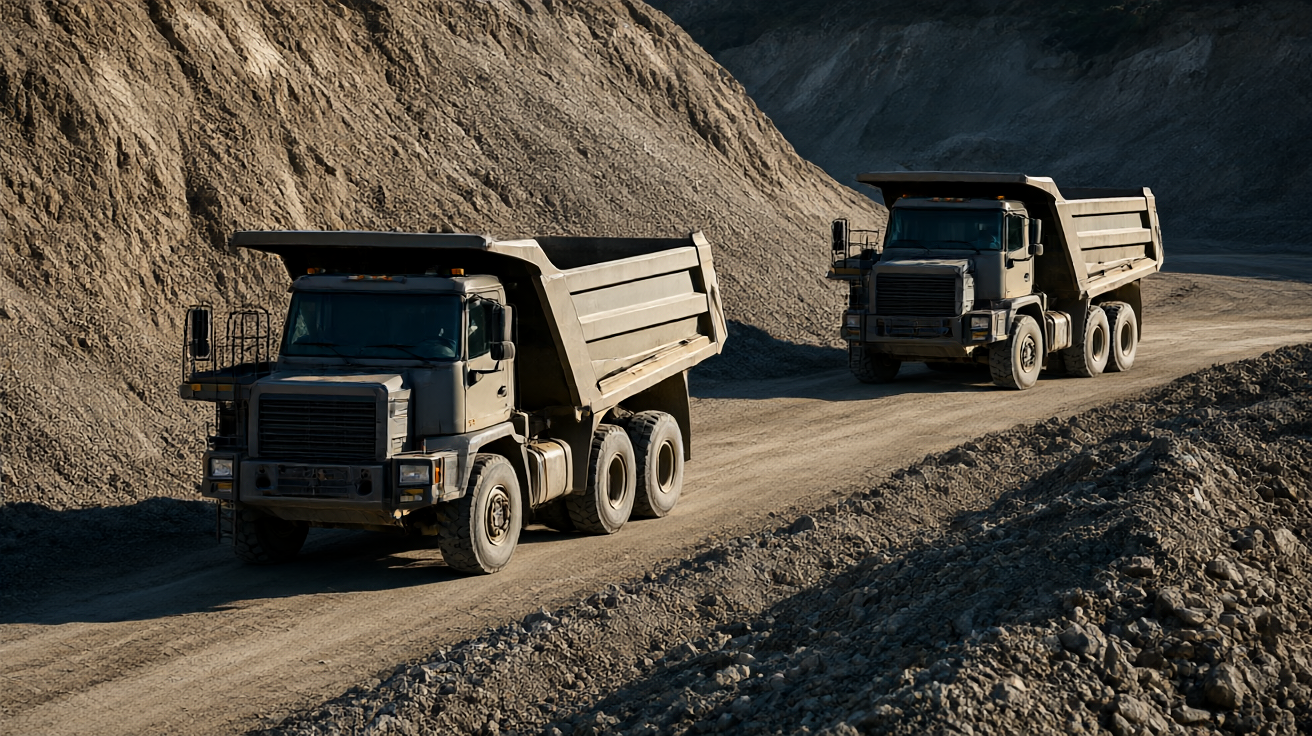
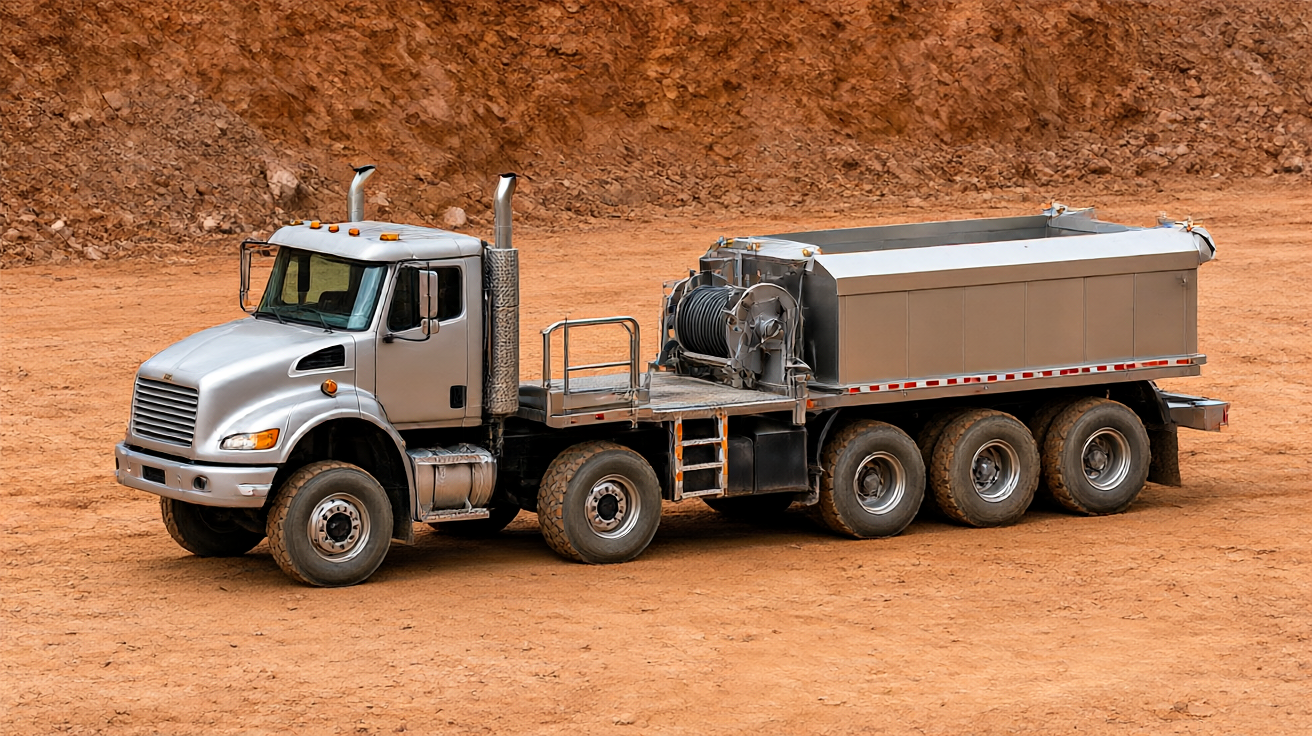
A standard highway fuel tanker fails rapidly inside an open-pit mine or granite quarry because frame twist cracks rigid tank brackets, fine dust ruins open pump bays, and slow 60 L/min dispensers idle expensive excavators for 20+ minutes per fill. A properly specified mining fuel bowser combines a **high-flow 150–300 L/min refuelling system**, **dual-stage water-separating clean-diesel filtration**, **dust-sealed pump cabinets with auto-rewind reels**, and a **heavy-duty 6x4 or 6x6 chassis with flexible spring tank mounts**.

Read the guide ↗
LPG Bobtail Truck Price: What Changes the Cost?
BUYING GUIDE

LPG Bobtail Truck Price: What Changes the Cost?

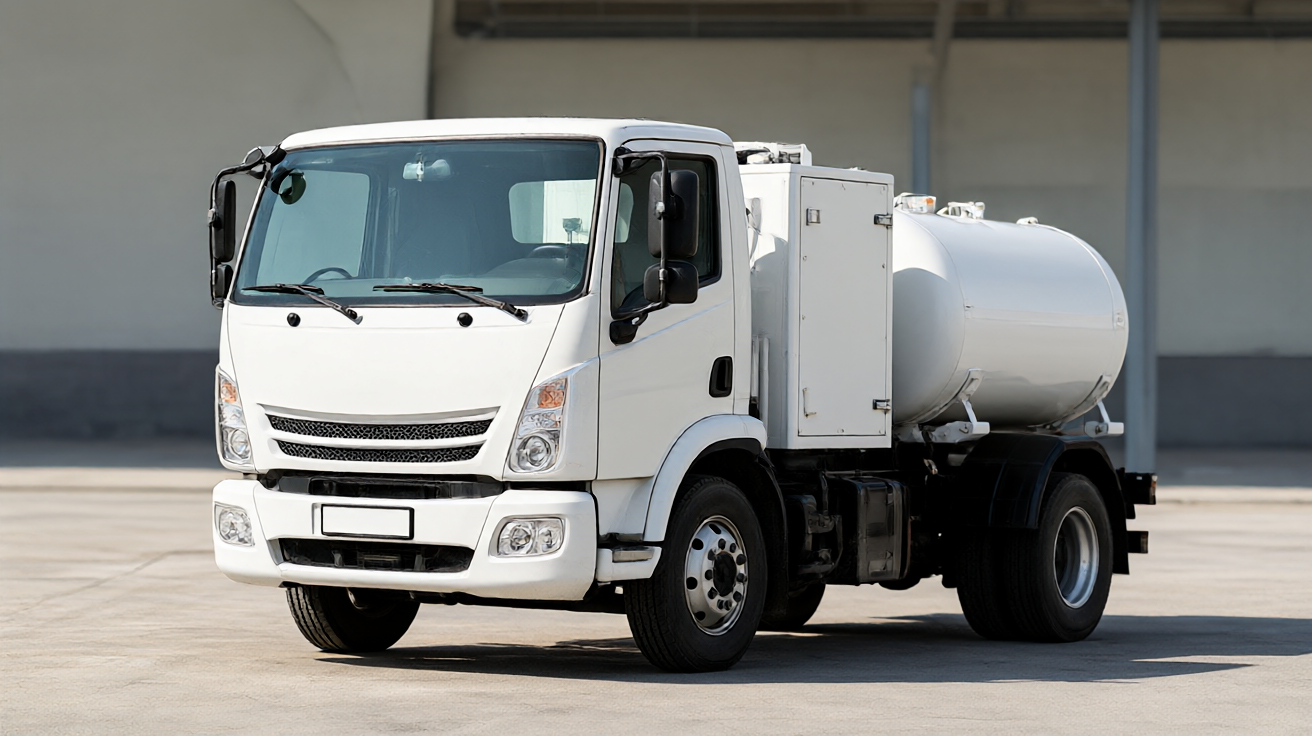
An LPG bobtail truck’s FOB price is driven by five major engineering variables: **vessel geometric volume (5 m³ to 25 m³)**, **pressure-vessel design code and steel grade (GB vs. optional ASME)**, **pumping and metering hardware (basic transfer pump vs. Coriolis mass dispenser)**, **commercial chassis brand and LHD/RHD layout**, and **pre-shipment testing or ocean freight format**. Comparing quotes without matching all five items leads to wide, misleading price gaps.

Read the guide ↗
LPG Bobtail & Tanker Sizes: Capacity & Safety Guide
BUYING GUIDE

LPG Bobtail & Tanker Sizes: Capacity & Safety Guide

Standard rigid LPG delivery tankers (bobtails) range from **5 m³ to 25 m³** geometric water capacity—holding roughly **2.1 to 10.5 metric tonnes of LPG** at the mandatory 80%–85% maximum fill limit—while articulated LPG semi-trailers span **40 m³ to 60 m³** (**16.8 to 25+ metric tonnes**). Safe operation requires pressure-vessel-grade steel, internal emergency shut-off valves, spring-loaded relief valves, calibrated metering, and verified factory non-destructive testing (NDT) documentation.

Read the guide ↗
Aluminium vs Carbon Steel Fuel Tanks: Payload & TCO
BUYING GUIDE

Aluminium vs Carbon Steel Fuel Tanks: Payload & TCO

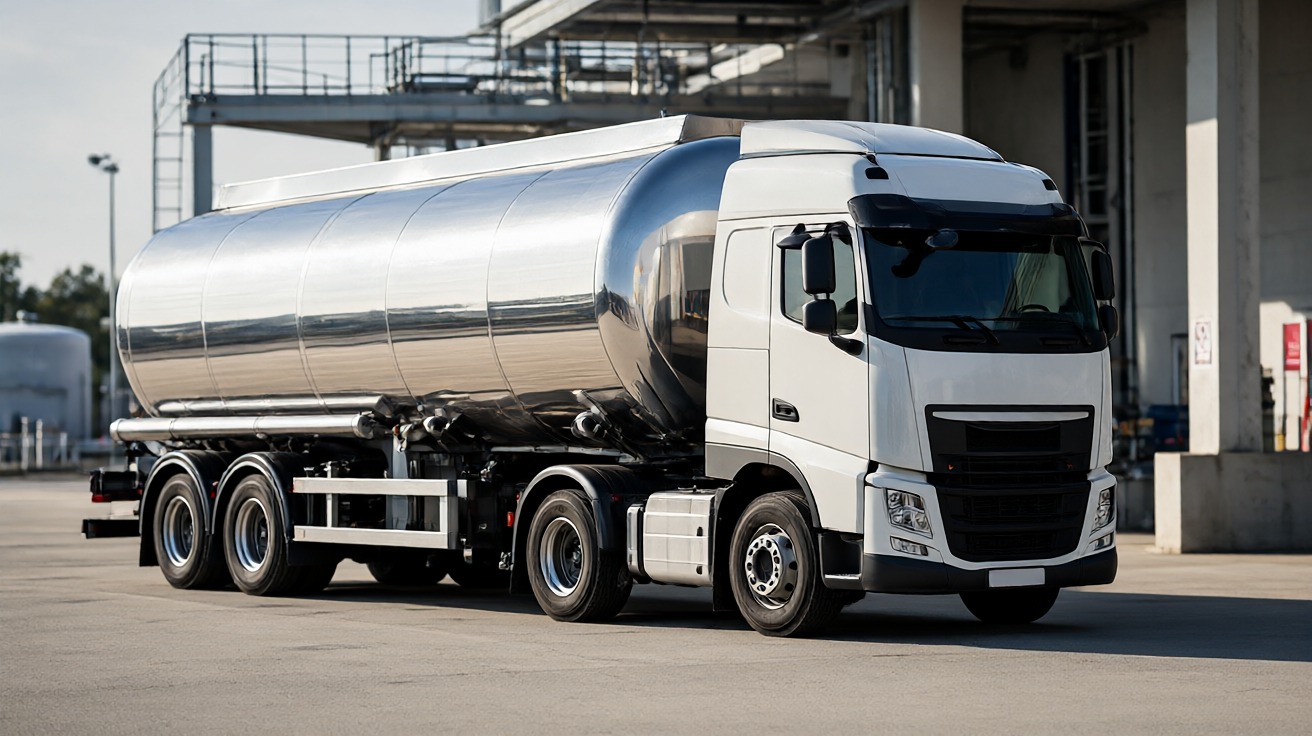
A 5083 aluminium alloy fuel tank cuts tank-body deadweight by roughly **30% to 40%** compared with a Q235B carbon steel tank, allowing weighed highway fleets to carry **1,500 to 2,500 extra legal litres** on a 6x4/8x4 rigid chassis—or **3,000 to 4,000 extra litres** on a 45,000 L semi-trailer. Carbon steel costs noticeably less upfront and can be welded by any rural depot workshop, making it the practical choice for rough unpaved mine routes, whereas aluminium delivers lower long-term cost per litre on paved, axle-monitored corridors.

Read the guide ↗
Fuel Tanker Truck Capacity: How Many Litres to Choose?
BUYING GUIDE

Fuel Tanker Truck Capacity: How Many Litres to Choose?

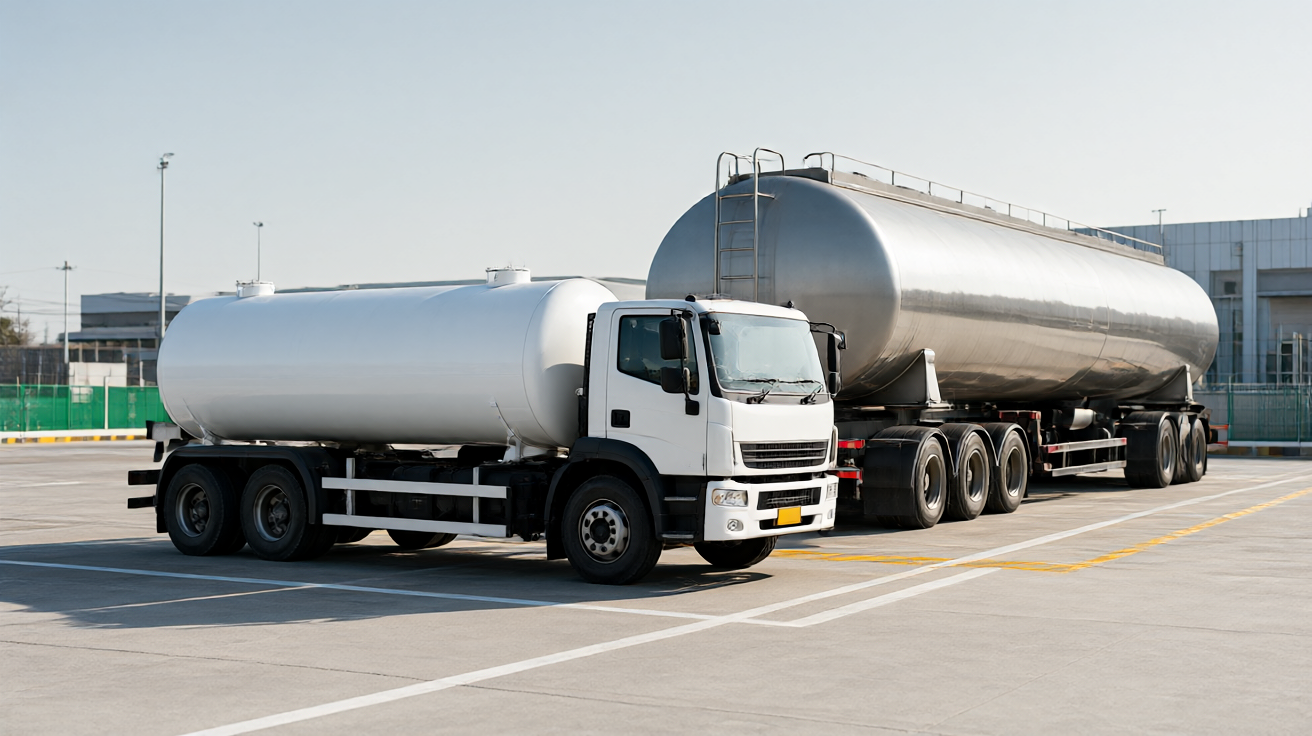
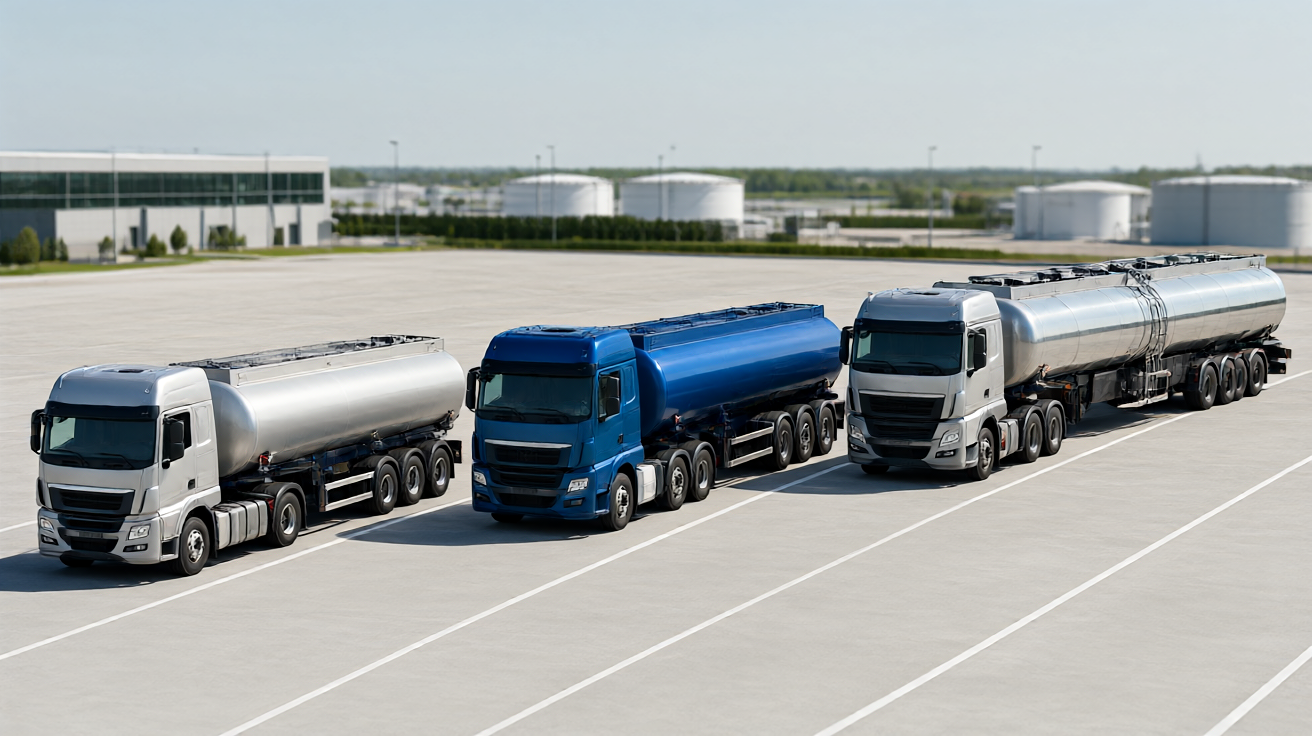
Rigid fuel tankers hold between **5,000 litres and 35,000 litres** depending on axle layout (4x2, 6x4, or 8x4), while articulated fuel semi-trailers carry **40,000 litres to 50,000 litres** (and up to 54,000–60,000 litres on multi-axle routes where regulations permit). Choosing the right capacity depends on four operational constraints: national axle-load limits, fuel specific gravity (diesel vs. petrol), multi-grade compartment splits, and turning clearance at delivery forecourts.

Read the guide ↗
Truck Mounted Crane vs Boom Truck: Capacity & Prices
BUYING GUIDE

Truck Mounted Crane vs Boom Truck: Capacity & Prices

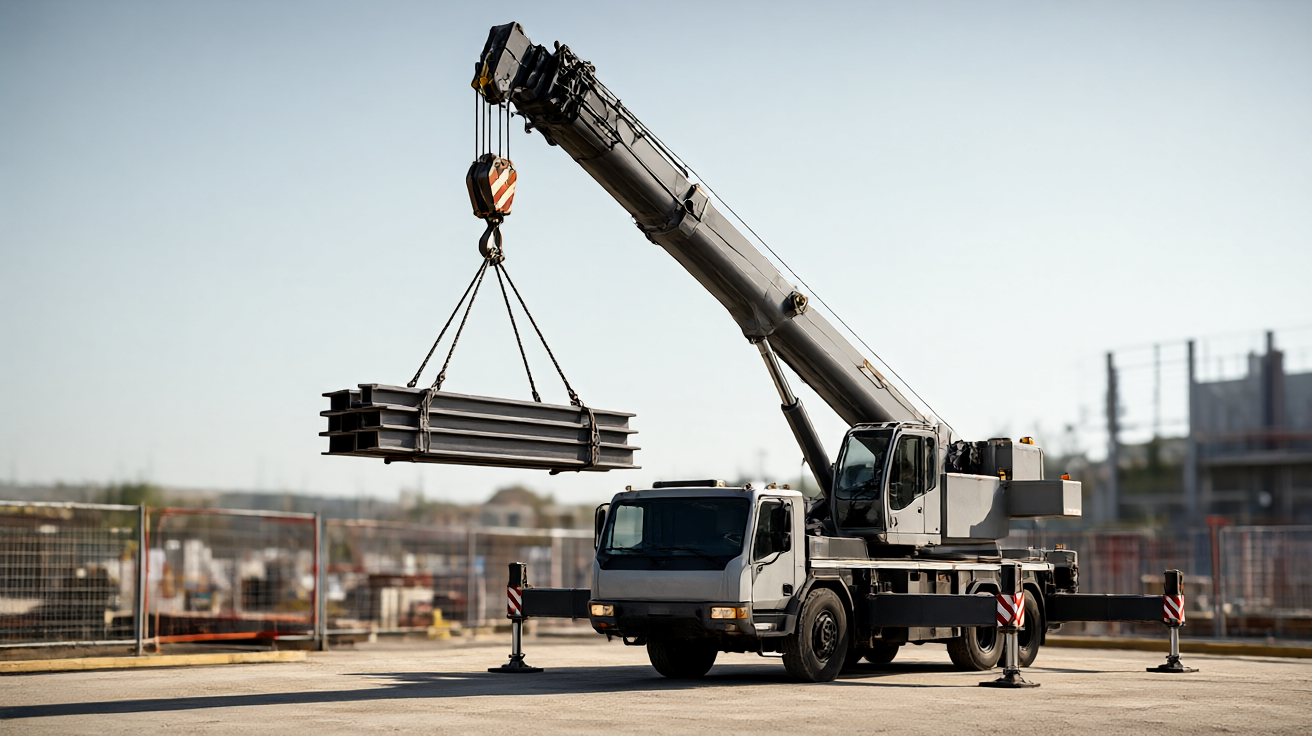
A boom truck (telescopic straight-boom crane) uses a straight extending jib with a wire-rope hoist winch, excelling at long horizontal reach, deep trench drops, and simple field maintenance. A knuckle-boom truck-mounted crane folds hydraulically behind the cab like an articulated arm, maximising cargo deck length and heavy close-in lifts. Across 3 t to 20 t capacities, FOB price scales sharply with lifting moment (tonne-metres), chassis axle count (4x2, 6x4, or 8x4), and optional crane brand.

Read the guide ↗
New Tipper Truck Price & Tonnage Guide: 6x4 vs 8x4
BUYING GUIDE

New Tipper Truck Price & Tonnage Guide: 6x4 vs 8x4

A 6x4 (10-wheeler) tipper (dump) truck typically carries 20 to 25 tonnes legally on paved highways (up to 30 tonnes inside off-road quarries) with a 16–22 m³ body, whereas an 8x4 (12-wheeler) handles 30 to 35 tonnes legally (40+ tonnes off-road) with a 24–35 m³ box. A brand-new tipper truck’s FOB price is driven primarily by drive layout (6x4 vs 8x4), engine horsepower, steel floor-plate thickness, hydraulic hoist brand, and LHD/RHD steering.

Read the guide ↗
RHD Refrigerated Trucks for East Africa: Sizes & CIF
BUYING GUIDE

RHD Refrigerated Trucks for East Africa: Sizes & CIF

Right-hand-drive (RHD) refrigerated trucks for East and Southern Africa are supplied in body lengths from 3.5 m (light urban vans) up to 9.6 m (heavy intercity 6x4 reefers), engineered to hold chilled (+2°C to +8°C), frozen (-18°C to -20°C), or multi-temperature zones even under +40°C ambient coastal heat. CIF shipping to Mombasa or Dar es Salaam covers the complete tested truck, ocean freight, and marine insurance to port—while destination duties and local clearing remain with the buyer.

Read the guide ↗
HOWO vs Shacman: Which Truck Chassis Fits Africa?
BUYING GUIDE

HOWO vs Shacman: Which Truck Chassis Fits Africa?

Choose a truck built on a Sinotruk HOWO chassis when your priority is maximum aftermarket spare-parts availability, lower upfront acquisition cost, and widespread mechanic familiarity across Africa. Choose a truck built on a Shacman chassis when your fleet hauls heavy quarry, mining, or desert loads where reinforced MAN-derived frame architecture, Weichai high-torque drivelines, and steep-grade durability justify a modest upfront price premium.

Read the guide ↗
How Much Does a Fuel Tanker Truck Cost? (5k–35k L)
BUYING GUIDE

How Much Does a Fuel Tanker Truck Cost? (5k–35k L)

A fuel tanker truck’s FOB price is primarily determined by five engineering variables: tank capacity (5,000 L to 35,000 L), shell material (carbon steel versus aluminium alloy), chassis platform and drive configuration, loading/metering hardware, and steering orientation (LHD or RHD). Small 5,000 L urban dispensers sit at the entry-cost tier, while multi-compartment 30,000 L–35,000 L aluminium tankers with European-standard bottom loading sit at the top of the rigid-truck price range.

Read the guide ↗

FLEET COST WORKSHEET

Compare costs using your own assumptions.

Enter all costs in one currency. This simple worksheet spreads purchase cost over your ownership period and adds the annual costs you supply. It excludes resale value, finance and tax.

Enter your fleet assumptions to calculate.

LET’S SPECIFY YOUR NEXT TRUCK

The right truck starts with the right brief.

Tell us the working duty, destination and preferred delivery terms.

Quotation terms

Use these details to respond to my vehicle enquiry. Privacy