LPG Bobtail Cost Tiers & Configuration Breakdown (5 m³ – 25 m³)
Because LPG vessels require thick pressure-rated steel, full X-ray weld testing, and heat-treatment annealing, an LPG delivery tanker costs substantially more per cubic metre than an atmospheric diesel or water tank of similar physical size. Capacity sets both the required chassis GVWR and total vessel fabrication hours.
Note on pricing validity: Because Q345R/Q370R pressure-vessel steel, factory chassis allocations, and optional imported pump/metering packages change quarterly, the table below outlines verified configuration tiers and primary cost levers rather than unverified fixed prices. Written FOB China or CIF quotes with a fixed validity window are issued upon specification confirmation.
| Vessel Capacity Tier (m³ / Net LPG t) | Drive & Typical Chassis Class | Baseline Spec Included | Major Upgrades That Raise FOB Cost | Actions |
|---|---|---|---|---|
| 5 – 10 m³ (~2.1 – 4.2 t) | 4x2 Light / Medium (8–14 t) | Q345R GB-standard vessel, safety valves, PTO LPG pump, rear cabinet | Electronic filling dispenser + scale, imported pump brand (optional), RHD Isuzu chassis | View Models | Get FOB Quote |
| 12 – 15 m³ (~5.0 – 6.3 t) | 4x2 Heavy (16–18 t) | Q345R vessel, internal ESVs, 15 m hose reel, standard volumetric flow meter | Coriolis mass flow meter, hydraulic hose reel, third-party NDT (SGS/BV), RHD steering | View Models | Get FOB Quote |
| 18 – 20 m³ (~7.5 – 8.4 t) | 6x4 Heavy (25 t) | Q345R/Q370R vessel, heavy 6x4 chassis, dual relief valves, PTO transfer system | ASME Section VIII code build (optional), Corken/Blackmer pump (optional), sun shield | View Models | Get FOB Quote |
| 22 – 25 m³ (~9.2 – 10.5 t) | 6x4 / 8x4 Heavy (25–31 t) | High-volume rigid pressure vessel, heavy hub-reduction axles, full safety kit | 8x4 chassis upgrade for strict weighbridges, high-flow hydraulic pump & mass metering | View Models | Get FOB Quote |
Compare verified capacities and safety layouts across our LPG trucks & tankers collection, or check our LPG tanker capacity and safety guide if you are still sizing vessel volume against cylinder demand.
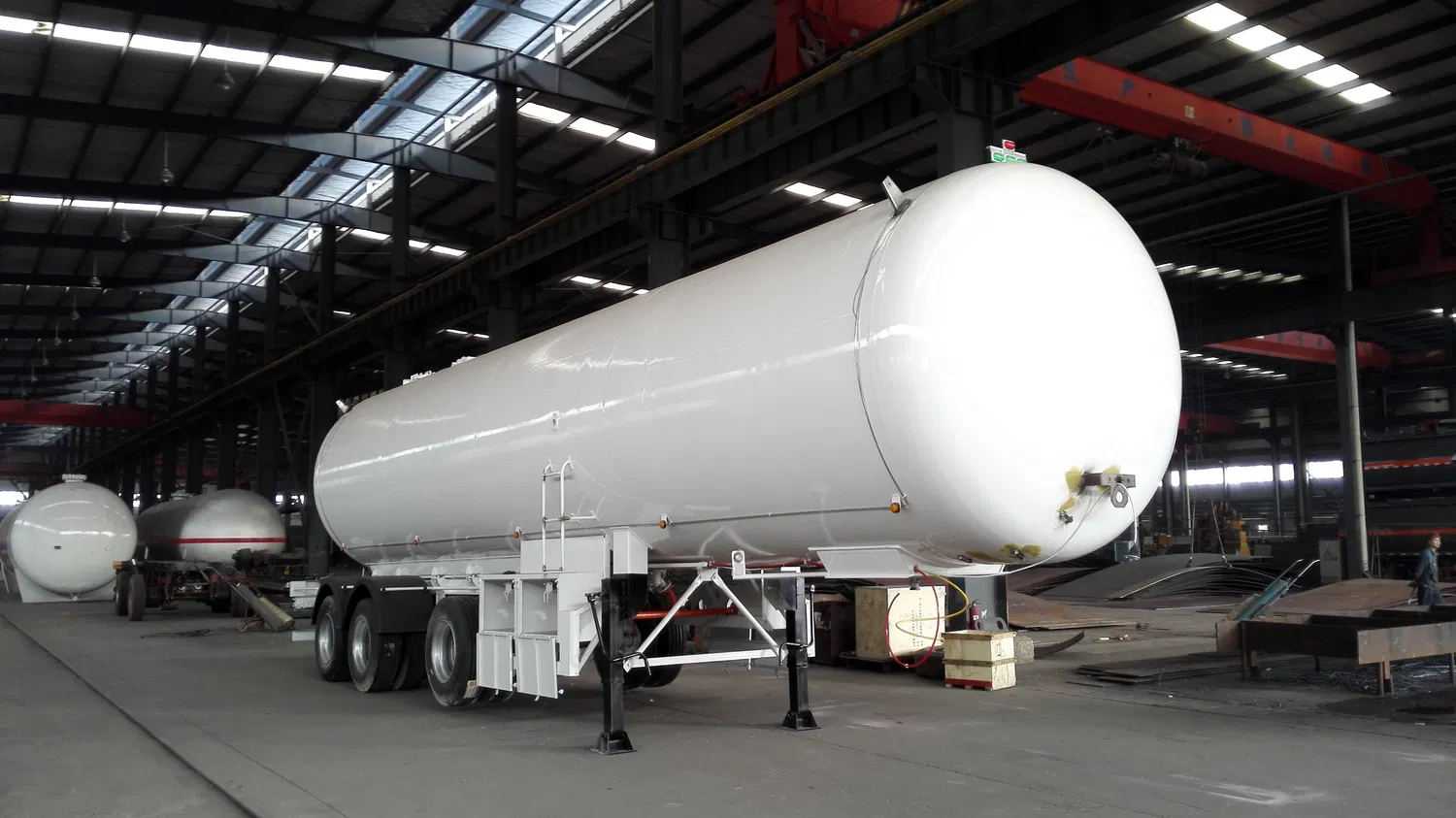
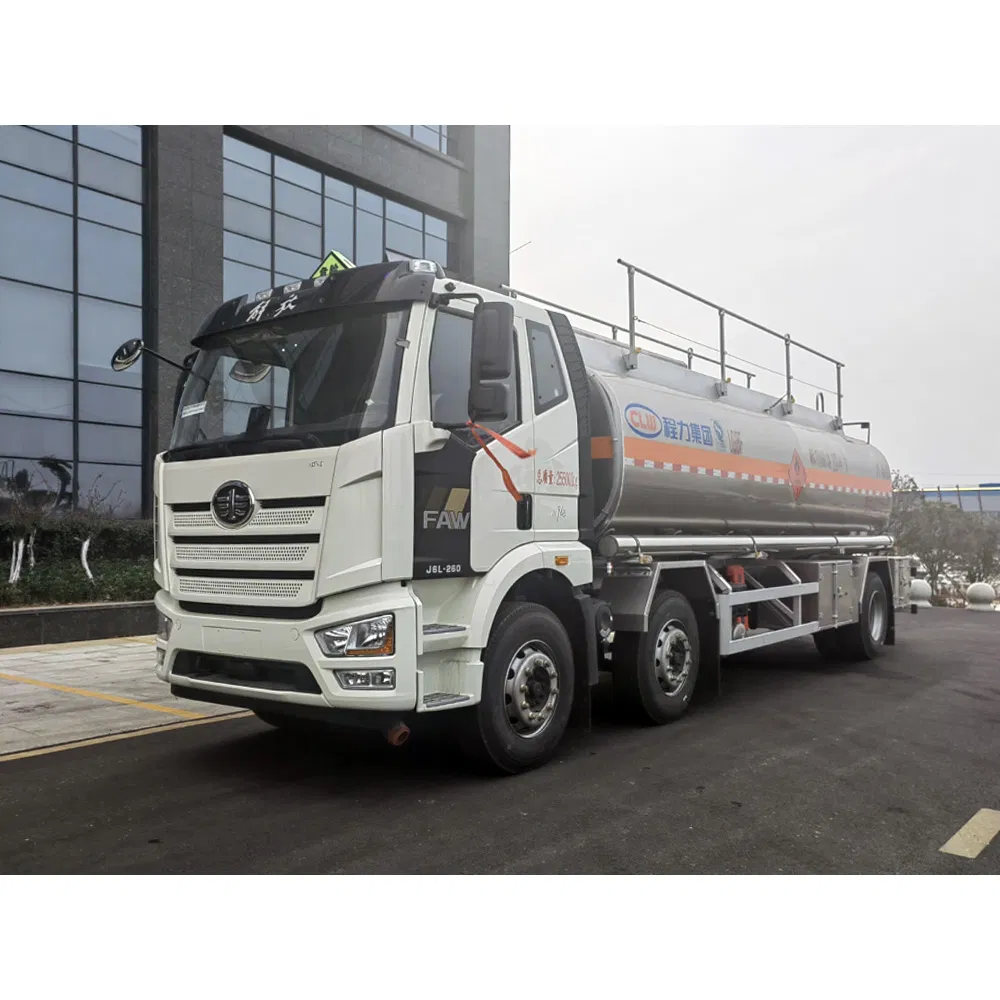
15 m³ 4x2 Commercial LPG Bobtail
15 m³ (~6.3 t LPG) | Q345R Vessel | Optional Digital Dispenser & Auto Hose Reel · Built on Sinotruk HOWO chassis · LHD / RHD
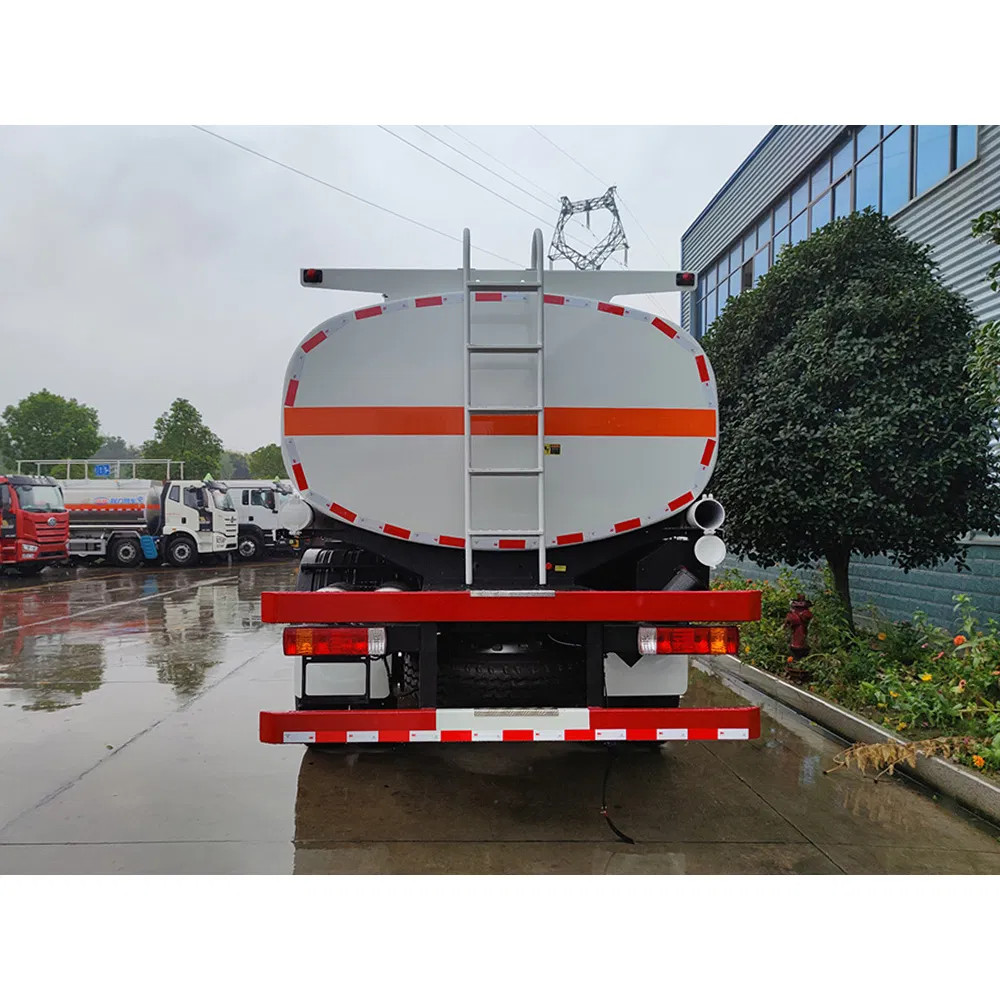
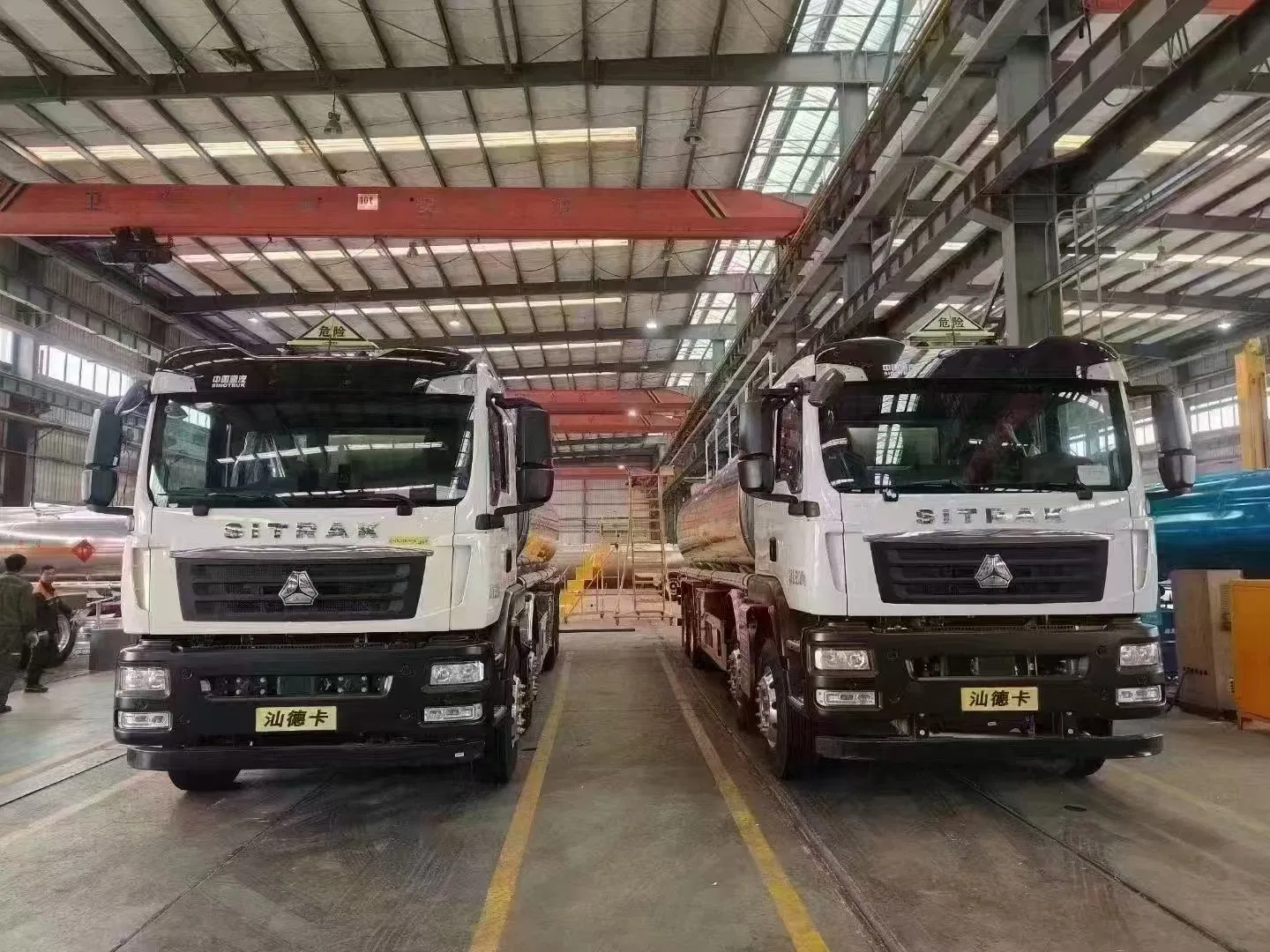
20 m³ 6x4 Heavy-Duty LPG Delivery Tanker
20 m³ (~8.4 t LPG) | Internal ESVs | Optional Corken / Blackmer / Domestic LPG Pump · Built on Sinotruk HOWO chassis · LHD / RHD
Pressure Vessel Steel, Design Code & Testing Costs
The pressure vessel itself—and the regulatory paperwork attached to it—accounts for the largest upper-body cost swing between two seemingly identical 15 m³ or 20 m³ LPG trucks.
- Steel Grade & Wall Thickness: Standard export tanks use Q345R pressure-vessel steel (typically 10–12 mm shell). Upgrading to higher-tensile Q370R steel reduces vessel tare weight on larger 20–25 m³ rigid trucks (freeing axle margin), while increasing plate cost slightly.
- Design Pressure (1.61 MPa vs. 1.77 MPa+): Tropical markets hauling higher-propane-ratio blends often require higher design pressure ratings (e.g., 1.77 MPa or 2.16 MPa / ~250–313 psi), requiring thicker dished heads, heavier nozzles, and higher-rated relief valves.
- GB Standard vs. ASME U-Stamp (Optional): Standard China GB/T 150 vessels include full factory radiographic NDT, post-weld heat treatment, and pressure test certificates at the baseline cost tier. Ordering an ASME Section VIII Div. 1 (U-Stamp) vessel adds authorised inspector (AI) fees, ASME-certified material premiums, and longer fabrication cycles—significantly increasing vessel price. Always confirm whether your national gas regulator actually mandates ASME or accepts GB with third-party inspection (SGS/BV/Intertek, optional) before paying for an ASME stamp.
- Sun Shield & Corrosion Protection: Adding a top reflective steel sun canopy (popular in Iraq, northern Nigeria, and Sahel corridors) and marine-grade zinc-rich primer protects internal vapour pressure in 45°C–50°C heat for a modest budget addition.
Pumping, Dispensing & Metering Systems (Optional Brands)
Upper-body transfer hardware can shift an LPG bobtail’s final quotation noticeably depending on whether the truck simply offloads bulk gas into skid storage tanks or functions as a mobile metered retail dispensing station. All pump, valve, and metering brands are supplied as optional configurations:
- Basic Bulk Transfer Setup (Entry Hardware Budget): Mechanical PTO-driven Chinese sliding-vane LPG pump, differential bypass valve, manual shut-off ball valves, and standard 15 m liquid/vapour hoses. Ideal for single-drop transfers between a main depot and your own retail skid plant where weighbridges verify tonnage.
- Commercial Multi-Drop Metering Setup (Mid Hardware Budget): Adds a hydraulic-drive pump system (smoother RPM control without racing the truck engine), a spring-rewind or hydraulic 25–30 m hose reel, an electronic volumetric LPG dispenser with receipt printer, and optional imported pump/valve brands (such as Corken or Blackmer pumps and RegO/Fisher-style valves).
- High-Precision Mass Metering Setup (Upper Hardware Budget): Upgrades volumetric metering to a Coriolis mass flow meter (optional) that measures exact mass (kg) regardless of gas temperature or propane/butane ratio shifts—eliminating reconciliation losses for commercial multi-drop distributors supplying hotels, factories, and independent filling plants.
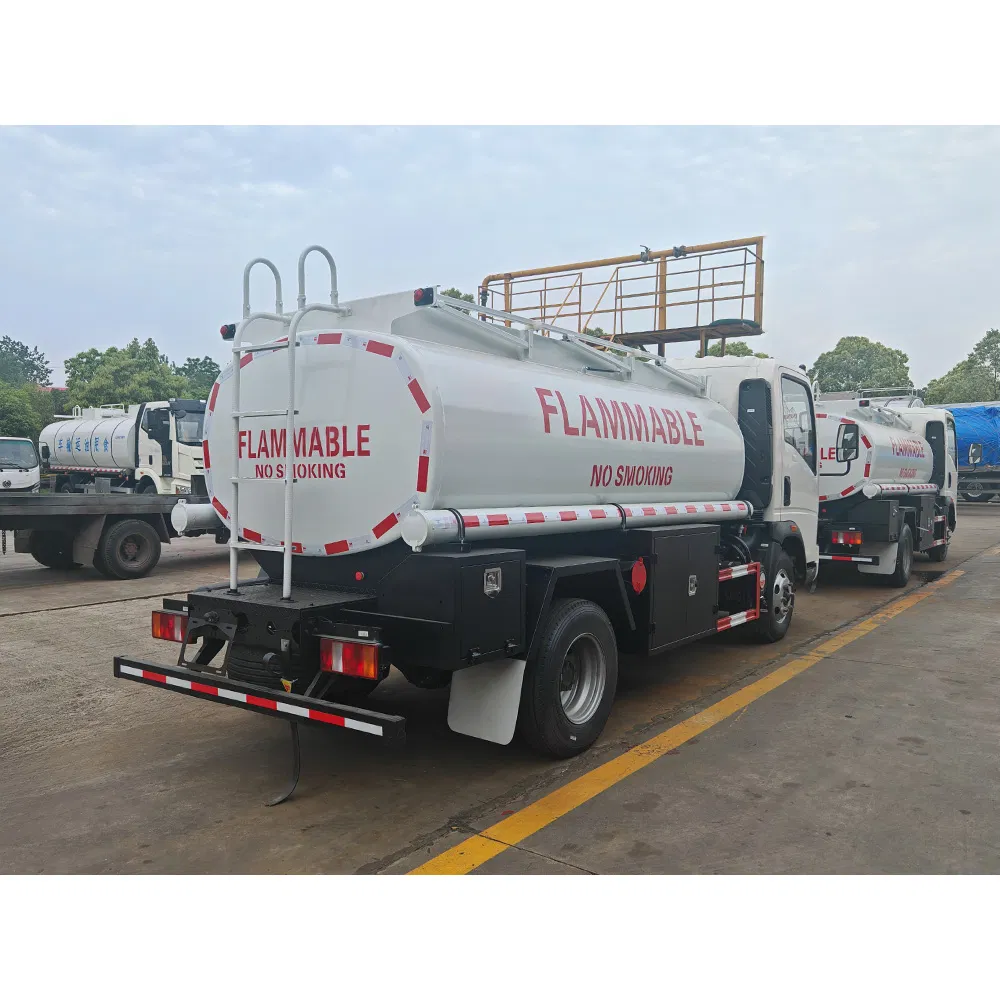
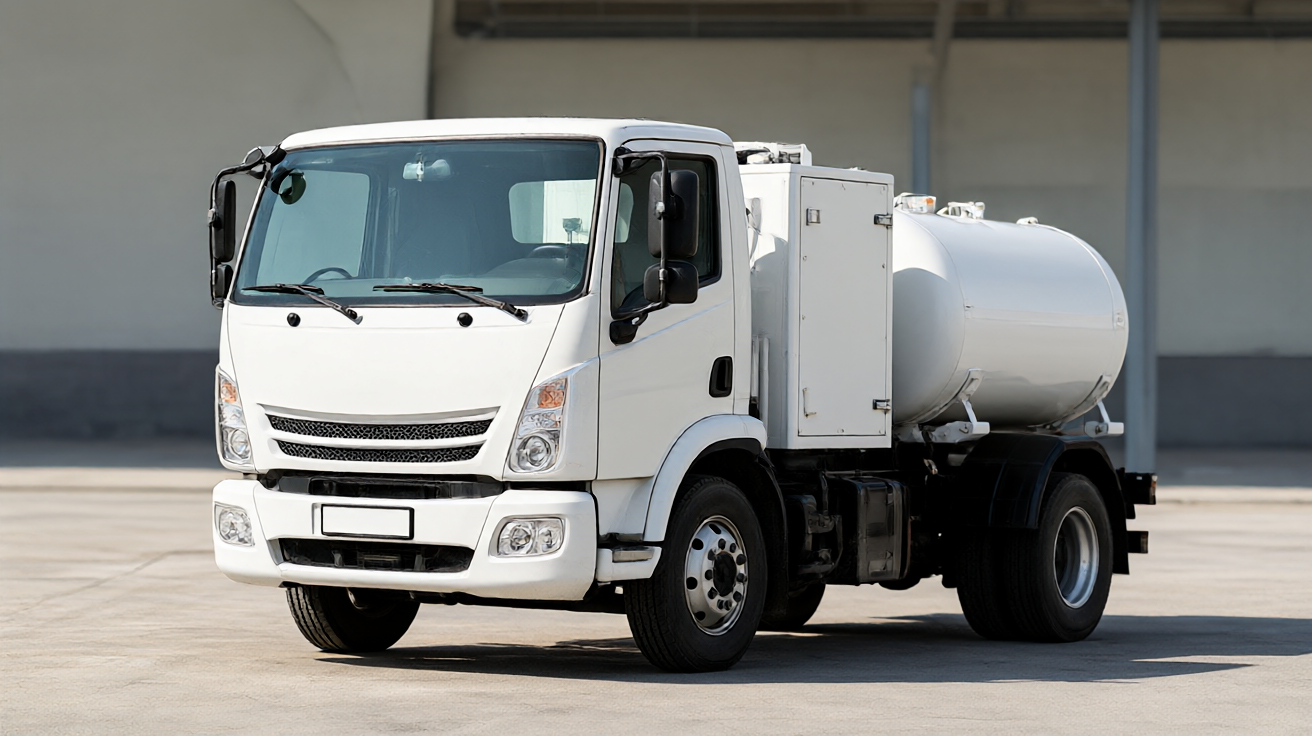
10 m³ 4x2 Urban Cylinder-Refilling LPG Tanker
10 m³ (~4.2 t LPG) | Integrated Filling Scale & Dispenser Cabinet | Safety Relief Kit · Built on Isuzu chassis · LHD / RHD
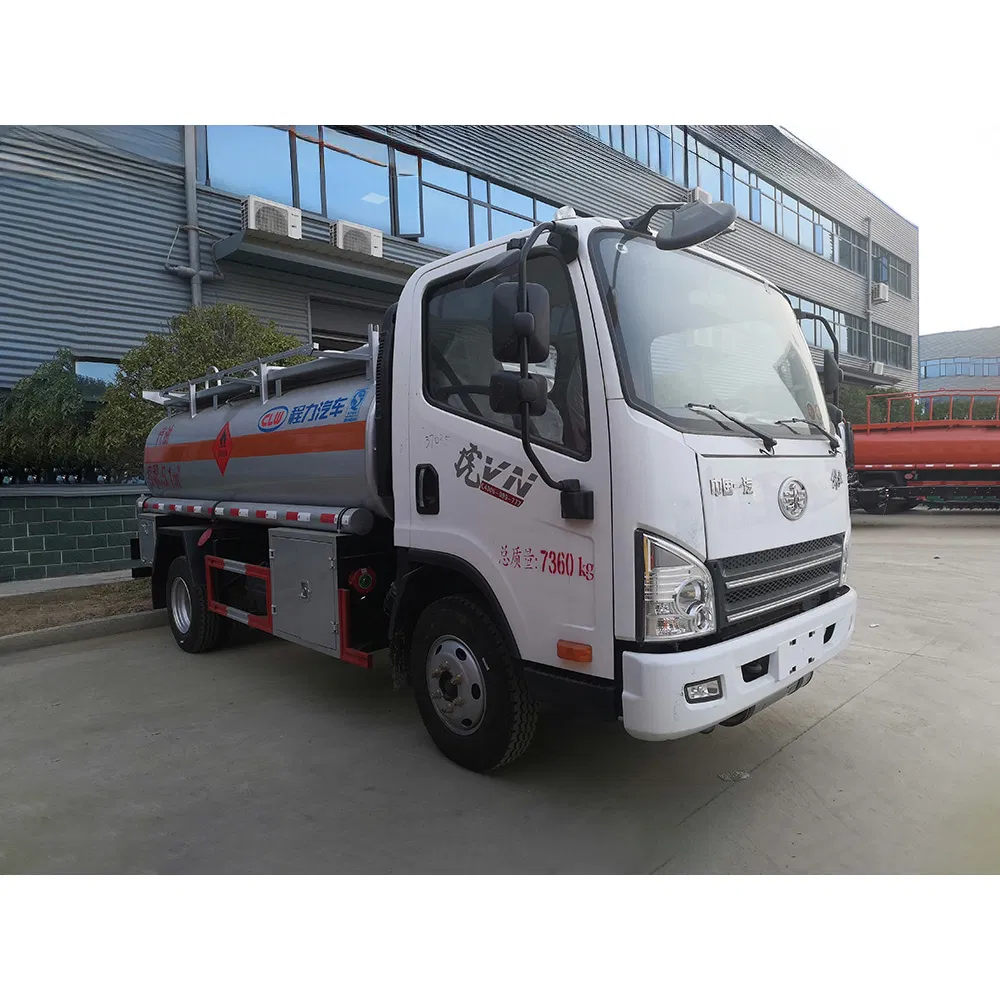
25 m³ 6x4 High-Volume Rigid LPG Tanker
25 m³ (~10.5 t LPG) | 1.77 MPa Optional | Heavy-Duty Rear Cabinet & Optional Sun Shield · Built on Shacman chassis · LHD / RHD
Chassis Selection, LHD/RHD & FOB vs CIF Shipping
Just like liquid fuel tankers, the commercial chassis makes up half or more of a complete LPG delivery truck’s FOB invoice—while ocean freight for pressurized dangerous-goods vehicles requires specific port preparation.
Chassis Brand & Steering Orientation
- Built on Sinotruk HOWO chassis: The highest-volume benchmark for 10 m³ to 25 m³ LPG trucks across Nigeria, Kenya, and Tanzania, offering competitive Day-1 pricing and deep local spare-parts availability.
- Built on Shacman chassis: Frequently chosen for 20 m³–25 m³ heavy regional LPG tankers operating on hilly corridors or hot desert routes where Weichai high-torque engines and Hande axles shine.
- Built on Isuzu or Dongfeng chassis: Widely selected for compact 5 m³–12 m³ urban LPG delivery trucks. Units built on an Isuzu chassis carry a higher acquisition price than comparable Chinese 4x2 platforms, offset by low city fuel consumption and strong East African RHD resale value.
- LHD vs. RHD Build Cost: Factory-built RHD chassis for Kenya, Tanzania, Uganda, and Southern Africa typically carry a modest price premium and longer production slot (roughly 35–55 days total) compared with continuous LHD builds for Nigeria and West Africa.
Shipping & Nitrogen Inerting (FOB vs. CIF)
- Factory Export Preparation: Brand-new LPG vessels ship completely empty of hydrocarbon gas—never loaded—and are purged/inerted or pressure-verified per shipping-line safety rules so vessels are accepted cleanly as non-hazardous new-build cargo on Ro-Ro or Bulk Carrier decks.
- FOB vs. CIF Cost Boundary (Last updated: November 2026): An FOB China quote covers the finished tested truck, factory NDT/hydrostatic documentation, export waxing, port delivery, and China export customs. A CIF quote adds ocean freight (scaled by truck CBM) and marine insurance to your named port (e.g., Lagos/Apapa, Mombasa, or Dar es Salaam). Destination port handling, import duties, VAT, pre-shipment inspection certificates (such as SONCAP or PVoC), and local national gas-authority tank approvals remain the buyer’s responsibility—verify current rules with your clearing agent prior to booking.