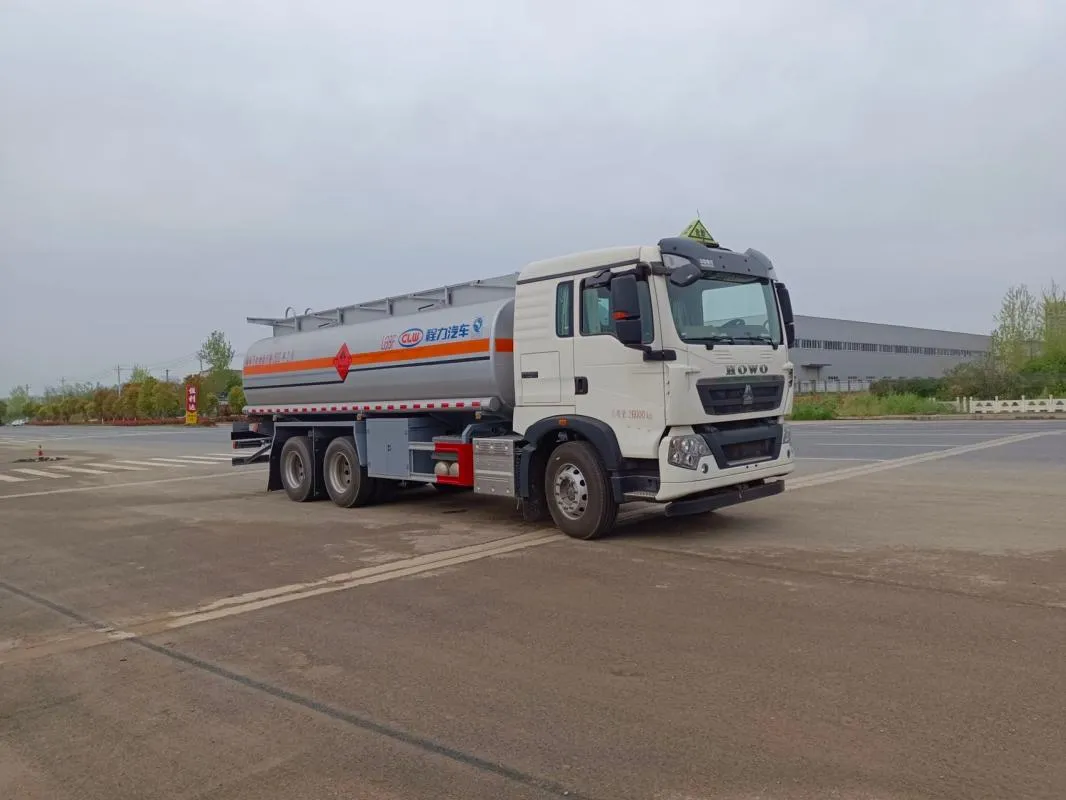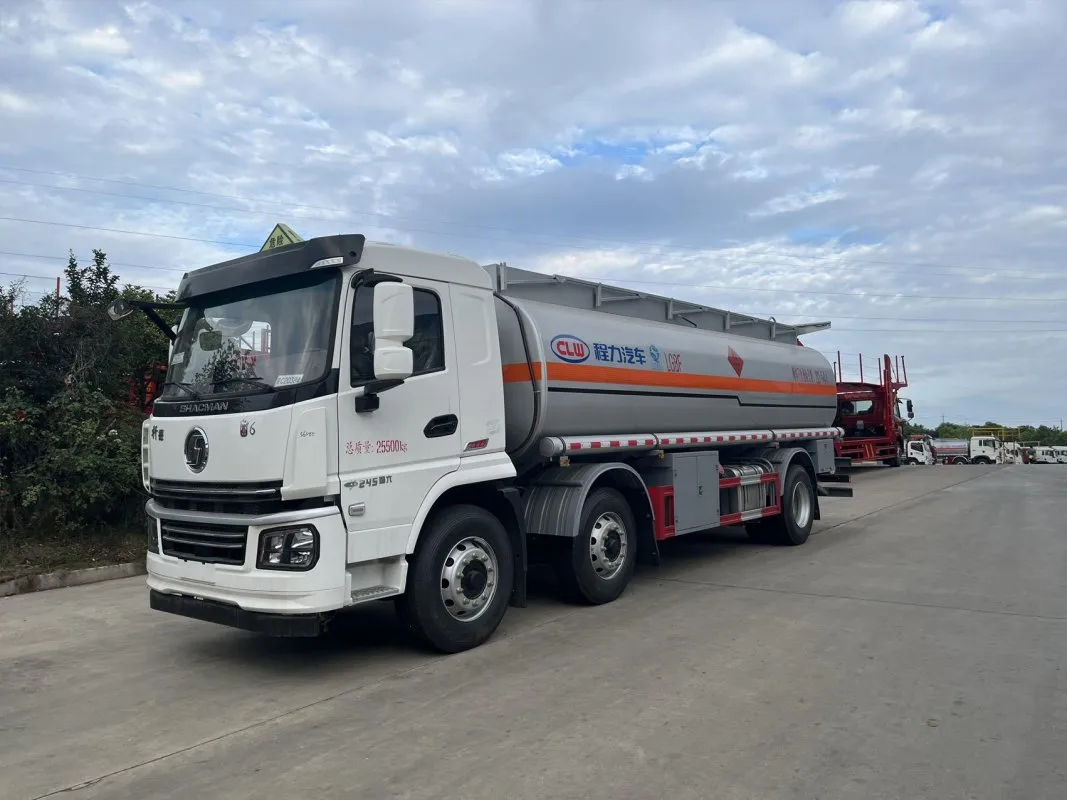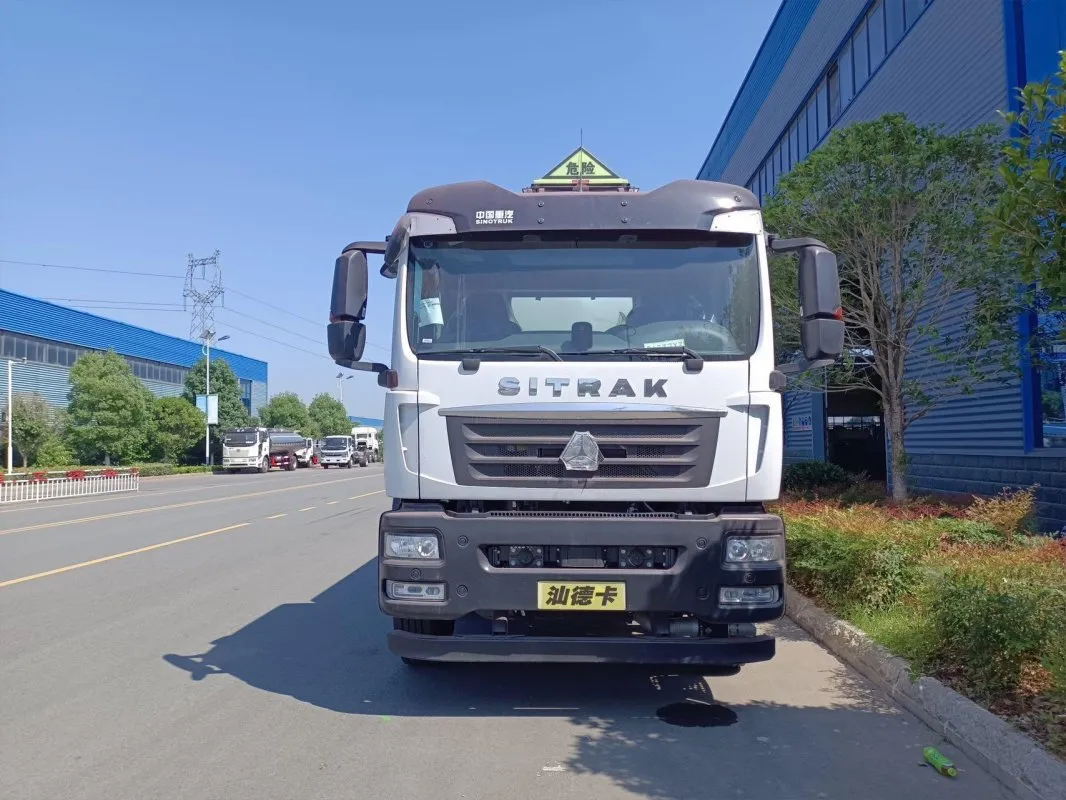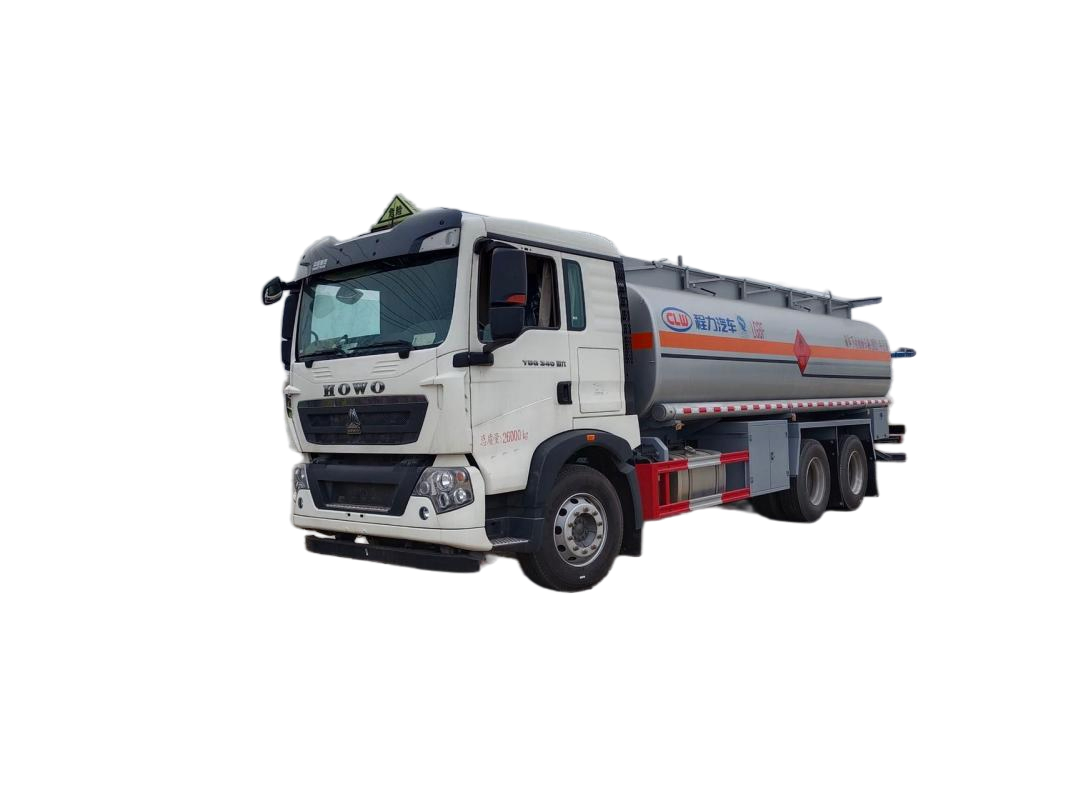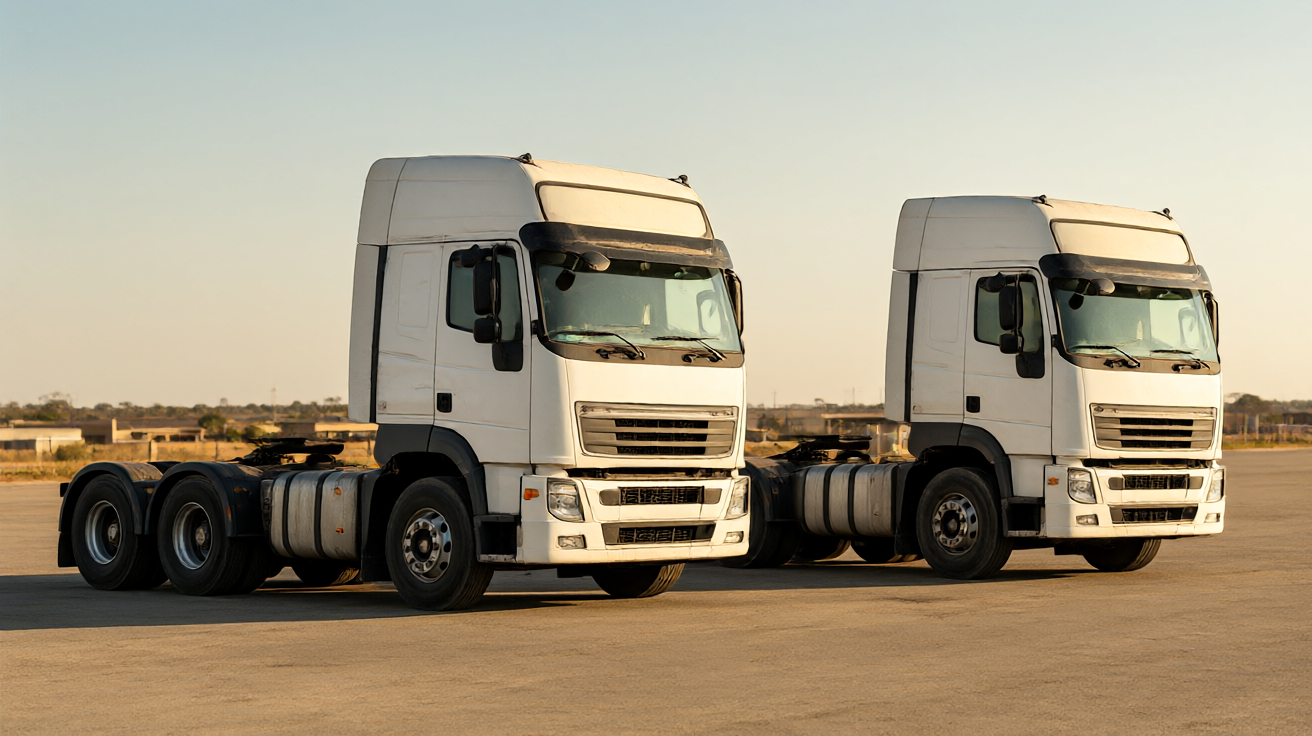
HOWO vs Shacman Side-by-Side Comparison
Both Sinotruk HOWO and Shacman (Shaanxi Automobile) share deep engineering roots in heavy European truck technology—specifically Steyr and MAN architecture—which is why both platforms dominate African and Middle Eastern heavy commercial fleets. The real separation shows up in engine ecosystems, frame stiffness, gearbox pairings, and pricing tiers across LHD and RHD builds.
| Comparison Dimension | Built on Sinotruk HOWO Chassis | Built on Shacman Chassis | Fleet Buyer Takeaway | Actions |
|---|---|---|---|---|
| Drive Layouts | 4x2, 6x4, 8x4, 6x6 | 4x2, 6x4, 8x4, 6x6 | Both cover full rigid, tipper, tanker, and all-wheel-drive duties | View Models | Get FOB Quote |
| Engine Series | Sinotruk WD615 (Euro II), D10, MC11 (MAN tech) | Weichai WP10 / WP12 (Euro II–V); Cummins ISM (optional) | WD615 excels in low-tech fuel environments; Weichai WP12 delivers strong low-end quarry torque | View Models | Get FOB Quote |
| Transmission & Axles | Sinotruk HW19710 / HW19712; HC16 or MCP16 hub-reduction axles | Fast Gear 10JSD / 12JSD; Hande MAN-tech 13 t / 16 t axles | Fast Gear + Hande axles are widely praised for heavy shock loads on quarry haul roads | View Models | Get FOB Quote |
| Special Body Fit | Fuel tankers, tippers, water bowsers, crane & refuse bodies | Heavy tippers, oilfield tankers, 6x6 bowsers, large cranes | HOWO leads in general commercial volume; Shacman shines under severe off-road loads | View Models | Get FOB Quote |
| RHD Availability | Widely available across HOWO 7 / NX / TX ranges | Available across F3000 / H3000 / X3000 ranges | Both support East & Southern Africa RHD; confirm factory RHD build slot early | View Models | Get FOB Quote |
For buyers comparing the two chassis lines directly, review available body conversions on our Sinotruk HOWO chassis and Shacman chassis hub pages before locking in horsepower and rear axle ratios.
Parts Availability in Nigeria, Kenya, Tanzania & Iraq
In Africa and the Middle East, the best truck chassis on paper becomes the most expensive truck in your yard if a failed clutch plate, hub seal, or injector parks it for three weeks waiting on air freight. Local parts availability—and whether independent mechanics can service the engine without proprietary diagnostic software—varies noticeably by country.
- Nigeria (LHD Market): Trucks built on Sinotruk HOWO chassis enjoy unmatched aftermarket depth across Lagos (Apapa, Mile 2, Trade Fair), Ogun State, Abuja, and Kano. Almost every heavy-truck parts market stocks WD615 filters, water pumps, HW19710 synchronisers, and leaf springs over the counter. Shacman’s footprint has grown rapidly in cement, quarry, and haulage fleets—and Weichai WP12 plus Fast Gear parts are readily stocked in major hubs—making both viable, with HOWO holding the edge in remote northern or rural states.
- Kenya (RHD Market): Around Nairobi (Industrial Area) and Mombasa, both platforms are well established in construction and bulk haulage. HOWO holds a massive population advantage in independent workshops, while Shacman F3000/X3000 models benefit from strong Weichai and Fast Gear parts cross-compatibility with other Chinese fleets operating along the Mombasa–Nairobi–Kampala corridor.
- Tanzania (RHD Market): Along the Dar es Salaam port corridor and inland mining belts (Mwanza, Geita, Dodoma), trucks built on Sinotruk HOWO chassis are the default sight in mid-sized fleets due to lower entry pricing and abundant wear parts. Shacman enjoys strong loyalty among heavy mining contractors and cross-border hauliers running into Zambia and DRC who prefer Hande axles and Weichai torque on steep escarpments.
- Iraq (LHD, High-Heat Market): Around Basra, Erbil, and Baghdad oilfield logistics corridors, ambient summer heat regularly pushes past 48°C–50°C. Both Shacman (with Weichai WP12 and heavy-duty desert cooling packages) and Sinotruk HOWO (especially newer MC11 / upgraded radiator specs) operate in large numbers, with oilfield contractors frequently favouring Shacman F3000/X3000 for heavy off-road tankers and water bowsers.
Practical Downtime Tip: Regardless of chassis choice, fleets operating more than 200 km from a capital city should order a factory-packed 12-month critical wear-parts kit (fuel/oil/air filters, fan belts, clutch kit, brake linings, wheel-hub seals, and u-bolts) inside the cab or toolboxes with the truck.
Best Chassis Match by Body Type (Fuel Tanker, Tipper, Crane, 6x6)
Choosing between HOWO and Shacman works best when you match the chassis strengths to the specific special body and payload stress profile rather than treating all truck applications the same.
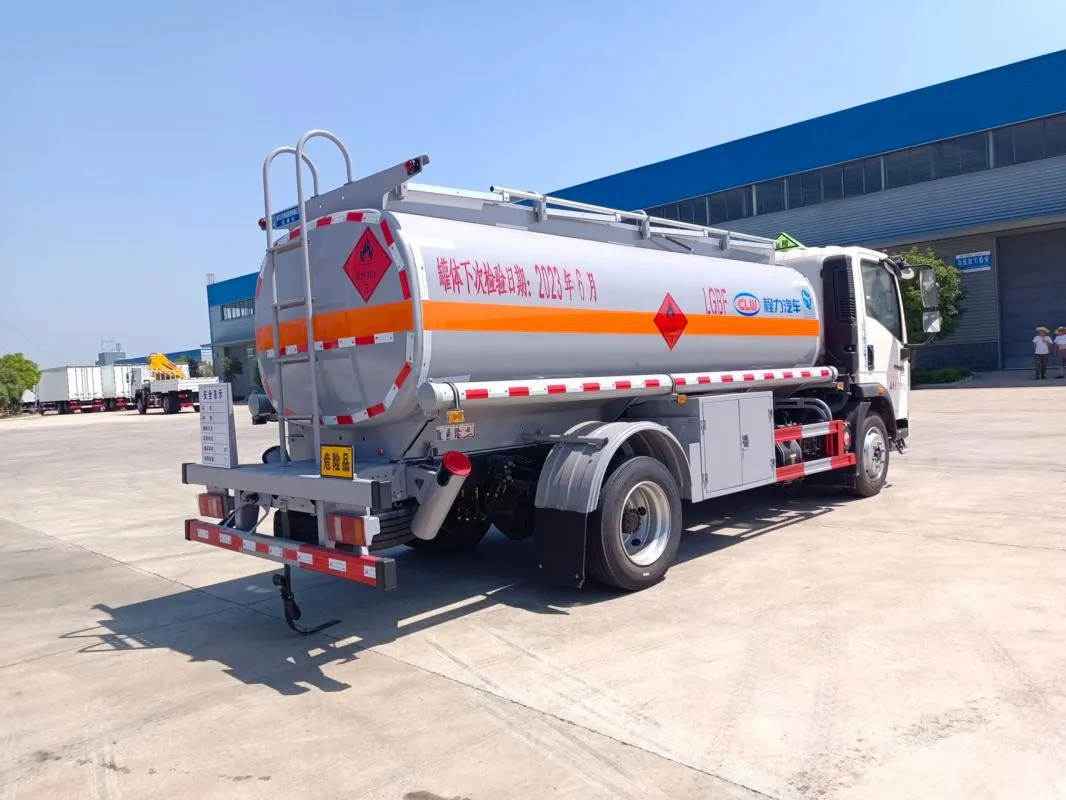
- Fuel Tanker Trucks (10,000 L – 35,000 L): For regional paved and semi-paved distribution, a tanker built on a Sinotruk HOWO chassis offers an attractive cost-per-litre investment and smooth parts support for multi-truck fleets. For heavy 25,000 L–35,000 L tankers running mountainous East African corridors or hot desert oilfields, a tanker built on a Shacman chassis with a 380–430 hp Weichai engine and Fast Gear 12-speed box handles sustained climbs with lower drivetrain heat. Compare specs across our fuel tanker trucks.
- Quarry & Construction Tippers (6x4 & 8x4): Quarry haulage punishes chassis rails, trunnion shafts, and rear axle housings more than any other application. Entry-to-mid fleets often select tippers built on Sinotruk HOWO chassis (371 hp / 400 hp with HC16 hub-reduction axles) for fast payback and cheap replacement springs. Heavy granite quarries and mine contractors frequently step up to tippers built on Shacman chassis (F3000/H3000 with double-layer 8+8 mm frame rails and Hande 16 t axles) for extra structural margin under rough excavator loading. Review drive and box options on our tipper trucks page.
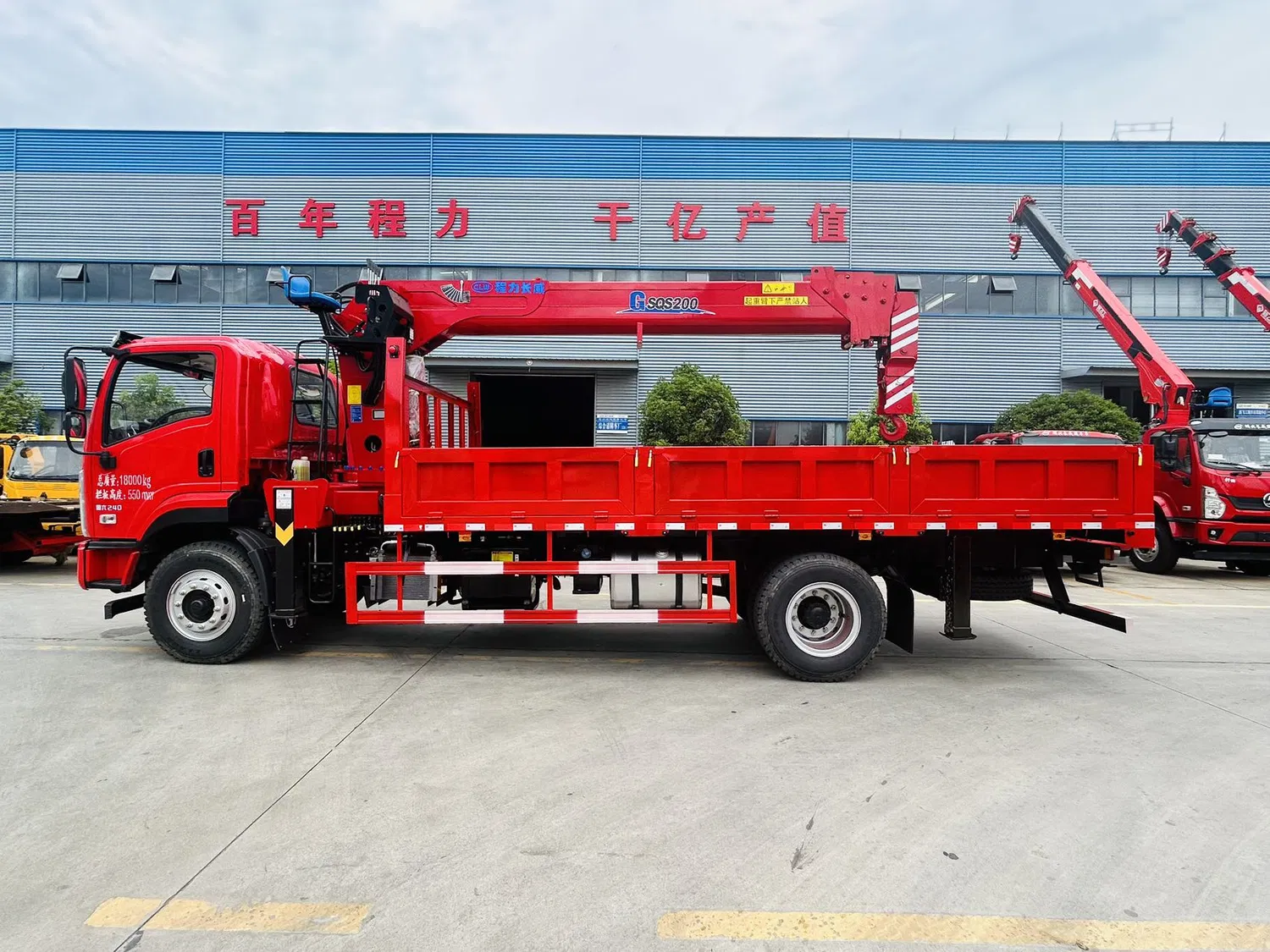
- Truck-Mounted Cranes (5 t – 20 t): Crane bodies impose concentrated torsional stress directly behind the cab where the pedestal and front outriggers bolt to the frame. For 5 t–10 t cranes, both HOWO and Shacman 4x2/6x4 chassis perform reliably when fitted with a full-length reinforced sub-frame. For heavy 12 t–20 t telescopic or knuckle-boom cranes (crane brands optional), Shacman’s stiff double-deck frame and straight-rail layout simplify heavy outrigger reinforcement.
- 6x6 Off-Road Mining & Oilfield Trucks: For deep sand, mud, and ungraded mine access roads (water bowsers, mobile workshops, and off-road fuel bowsers), Shacman’s long heritage in 6x6 military-derived all-wheel-drive chassis gives it a strong reputation for transfer-case durability and axle articulation, while HOWO 6x6 builds offer a cost-competitive alternative when standardising an existing HOWO fleet.
20,000 L 6x4 Fuel Tanker Truck
20,000 L | 371–400 hp | Multi-Compartment Carbon Steel / Aluminium · Built on Sinotruk HOWO chassis · LHD / RHD
371–400 hp | U-Shape or Rectangular Box | HC16 Hub-Reduction Axles · Built on Sinotruk HOWO chassis · LHD / RHD
20,000 L 6x4 Heavy-Route Fuel Tanker
20,000 L | Weichai 380–400 hp | Fast Gear 10/12-Speed | Hande Axles · Built on Shacman chassis · LHD / RHD
12-Ton 6x4 Truck-Mounted Crane
12 t Telescopic / Knuckle Boom (Optional) | Reinforced Sub-Frame | 6.5 m Cargo Box · Built on Shacman chassis · LHD / RHD
Total Cost of Ownership Over 3–5 Years
A lower day-one FOB invoice does not guarantee the lowest cost per tonne-kilometre over five years. Evaluating HOWO versus Shacman properly requires a structured Total Cost of Ownership (TCO) framework rather than relying on showroom price alone.
TCO Modeling Framework (Explicit Assumptions): Compare both platforms under identical fleet parameters—for example, a 5-year operating window, 60,000 to 80,000 km per year (or 2,500–3,000 quarry operating hours/year), identical payload class, same driver skill level, and regional diesel sulphur content (commonly 500–2,000 ppm across parts of Africa, where mechanical Euro II pumps often outperform sensitive Euro IV/V common-rail injectors).
- Acquisition Cost (Year 0): Trucks built on Sinotruk HOWO chassis generally preserve slightly lower initial capital outlay on standard Euro II specs, freeing working capital for spare tyres and initial fuel float.
- Fuel Consumption (Years 1–5): Fuel typically represents 35% to 45% of five-year truck TCO. Here, axle ratio and transmission matching matter more than badge. A properly geared 12-speed Fast Gear + Weichai WP12 or Sinotruk MC11 driveline running highway speed at 1,300–1,450 RPM consistently saves fuel over an under-geared 10-speed quarry ratio driven at high RPM on tarmac.
- Maintenance & Spare Parts Spend: HOWO typically delivers lower routine part prices and zero wait time in secondary African towns. Shacman’s Hande axles and heavy-duty suspension bushes can extend rebuild intervals under severe shock loading, reducing workshop labour hours on mine sites.
- Unplanned Downtime: One lost day for a 20,000 L fuel tanker or quarry tipper erodes weeks of modest parts savings. Standardising your fleet on one primary engine/axle family—or keeping a stocked 12-month wear kit on site—protects uptime more effectively than mixing brands randomly.
- Resale Value (Year 5): In Nigeria, Kenya, and Tanzania, clean, well-maintained HOWO units sell rapidly on the secondary market because small owner-operators trust their cheap repairability. Shacman units command strong resale prices among larger contractors who specifically look for Weichai/Fast Gear drivelines.
Compliance & pricing note (Last updated: November 2026): Final FOB quotes vary by emission standard (Euro II vs. Euro III/V), cab trim, axle rating, and upper-body configuration. Written FOB/CIF pricing is confirmed per specification.