Cost Tiers by Tank Capacity (5,000 L, 10,000 L, 20,000 L, 30,000 L+)
Tank capacity sets the baseline cost because volume directly dictates chassis GVWR, axle count, engine horsepower, and steel or aluminium tonnage. Stepping up from a 4x2 urban bowser to a 6x4 or 8x4 highway tanker changes both the base chassis bracket and the sub-frame, suspension, and pumping hardware required to run safely under full liquid load.
Note on pricing validity: Because factory chassis allocations, steel/aluminium plate prices, and optional pumping packages fluctuate, the table below outlines verified configuration tiers and primary cost drivers rather than unverified fixed price tags. Current written FOB China reference ranges are issued upon quote with a stated validity window.
| Capacity Tier (L) | Drive & Typical GVWR (Tonnes) | Baseline Tank Spec | Primary Cost Drivers (Base vs. Upgrade) | Actions |
|---|---|---|---|---|
| 5,000 – 8,000 L | 4x2 (8–12 t) | Q235B carbon steel (4–5 mm), 1–2 compartments, top loading | Entry baseline; price rises with mobile fuel dispenser, digital flow meter, auto hose reel, and RHD steering | View Models | Get FOB Quote |
| 10,000 – 15,000 L | 4x2 (16–18 t) | Q235B carbon steel (5 mm), 2–3 compartments, PTO fuel pump | Mid-entry tier; heavy-duty 4x2 chassis upgrades, European manhole covers, and pneumatic foot valves add cost | View Models | Get FOB Quote |
| 18,000 – 22,000 L | 6x4 (25–31 t) | Q235B carbon steel (5–6 mm) or 5083 aluminium, 3–4 compartments | Core fleet tier; switching to 5083 aluminium alloy or adding full API bottom loading creates the largest price step | View Models | Get FOB Quote |
| 25,000 – 35,000 L | 8x4 (31–40 t) | High-volume rigid tank, 4–5 compartments, reinforced baffles | Upper rigid tier; high-horsepower 8x4 chassis, aluminium weight-saving shell, vapour recovery, and overfill sensors | View Models | Get FOB Quote |
Selecting the right capacity bracket is rarely about buying the biggest rigid tank available. Across West and East Africa, highway weighbridge enforcement penalizes overloaded rear axles heavily.
- 5,000 L – 12,000 L (4x2): Suited for tight urban fuel stations, construction-site equipment refuelling, and generator supply where turning radius matters more than bulk volume.
- 18,000 L – 22,000 L (6x4): The most widely traded commercial size for regional distribution. It balances strong chassis resale value with manageable axle loads on secondary roads. Compare configurations across our fuel tanker trucks range to match your local axle limits.
- 25,000 L – 35,000 L (8x4) vs. Semi-Trailers: Once route volume regularly exceeds 33,000 L–35,000 L on paved highways, an 8x4 rigid tanker approaches legal gross weight limits and higher tyre scrub. At 40,000 L to 50,000 L, fleets typically lower per-litre transport cost by moving to dedicated fuel tanker trailers paired with a 6x4 tractor head.
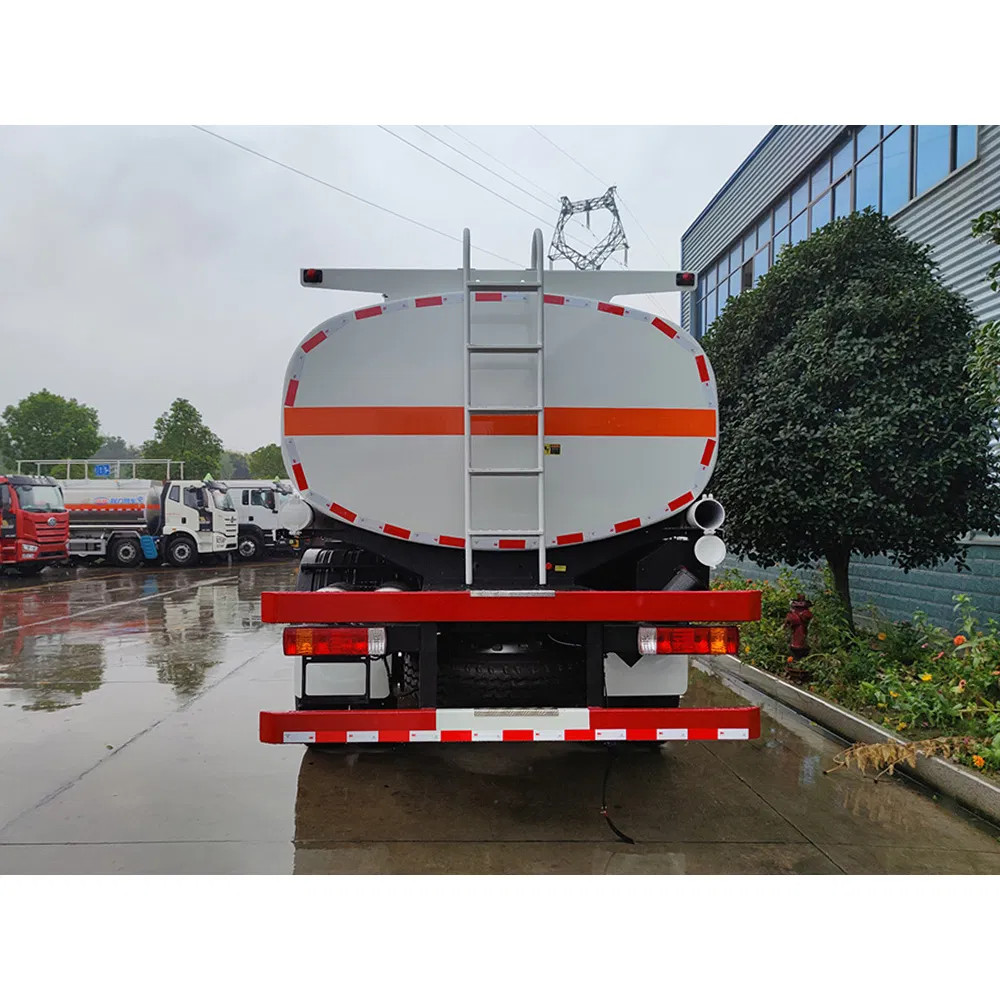
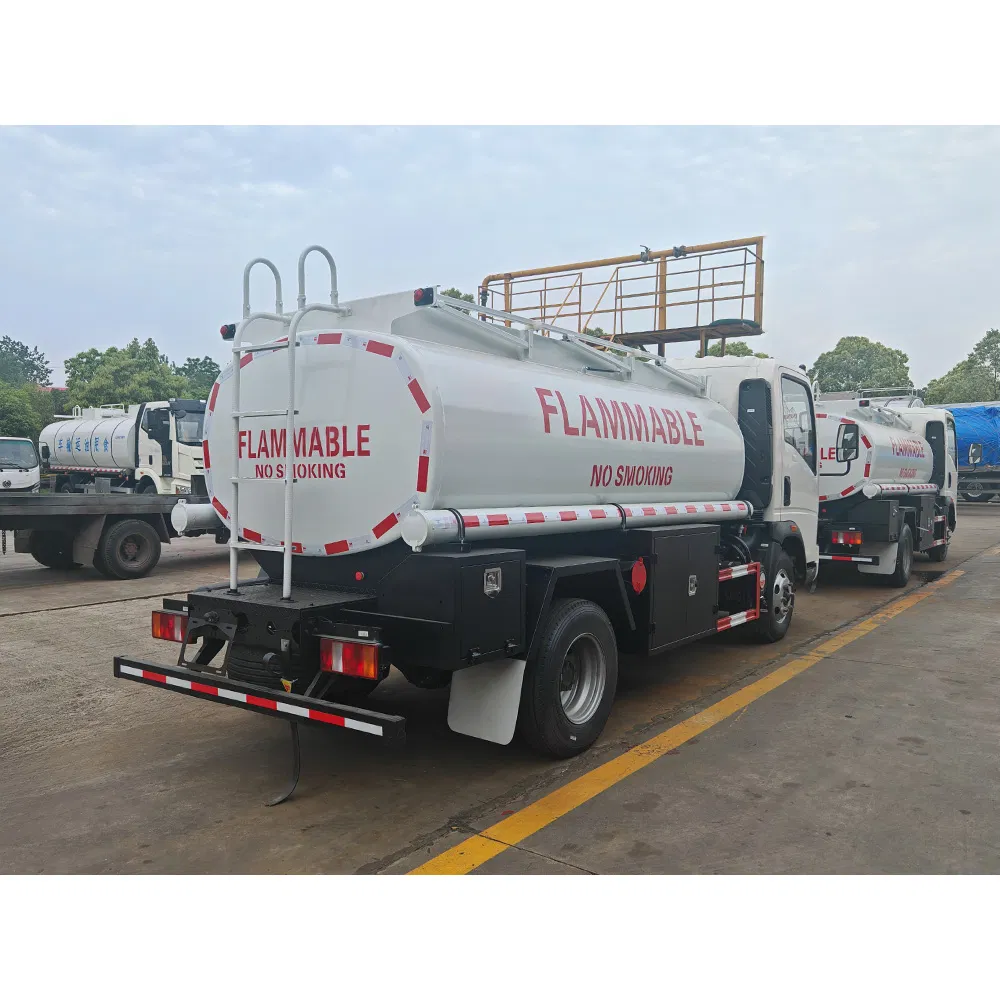
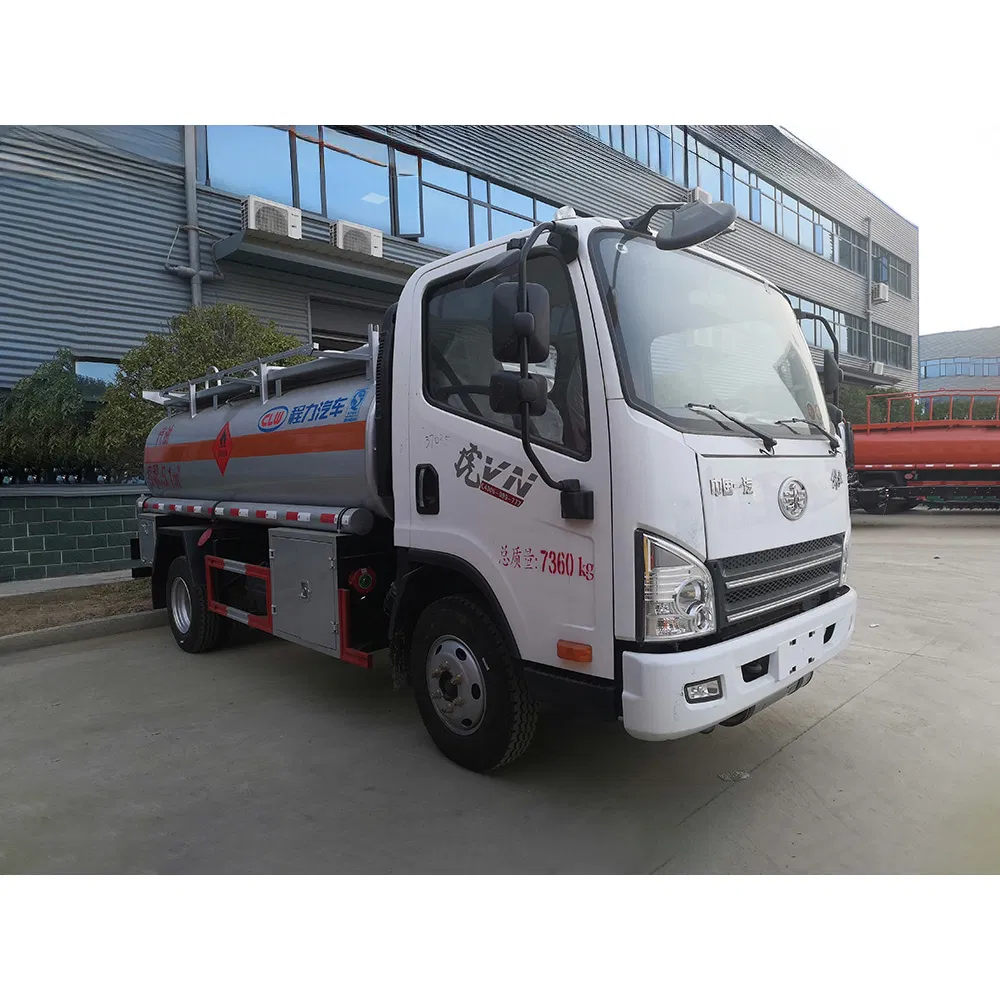
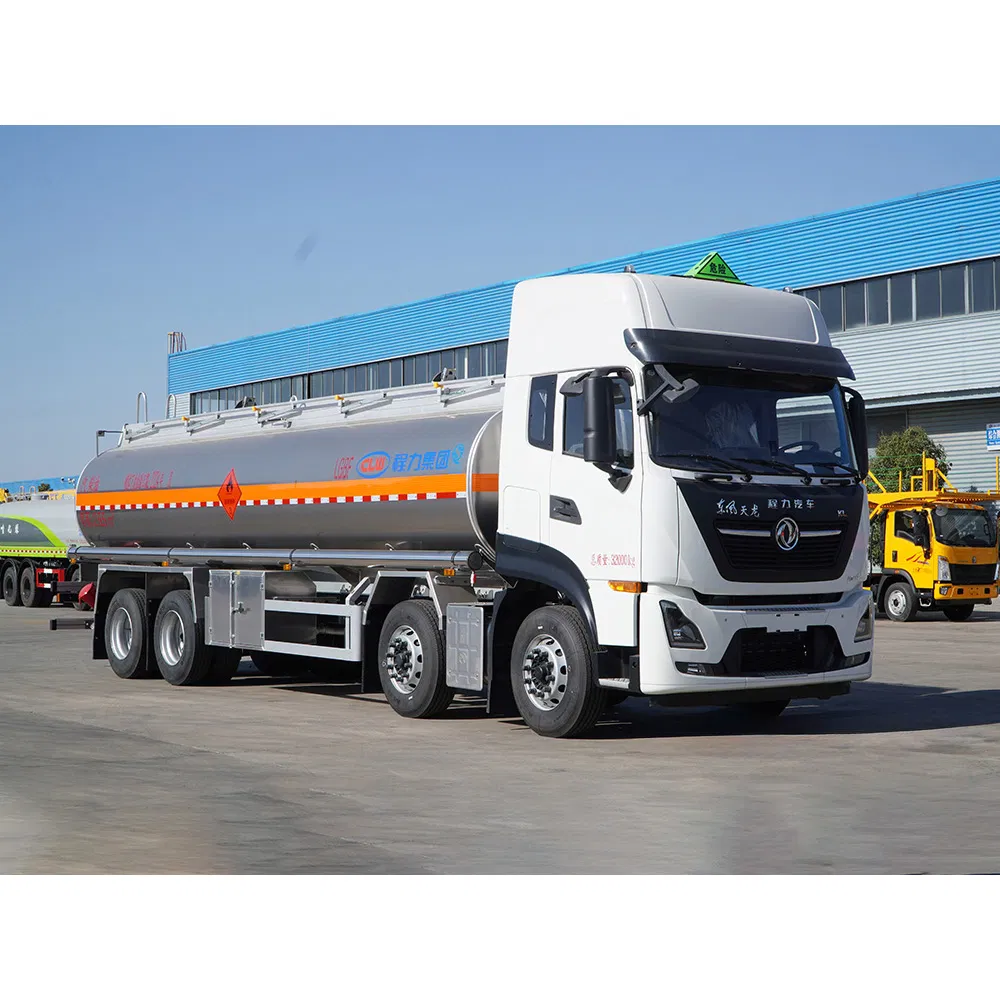
10,000 L 4x2 Urban Fuel Delivery Tanker
10,000 L | 2 Compartments | Carbon Steel | PTO Pump & Dispenser (Optional) · Built on Sinotruk HOWO chassis · LHD / RHD
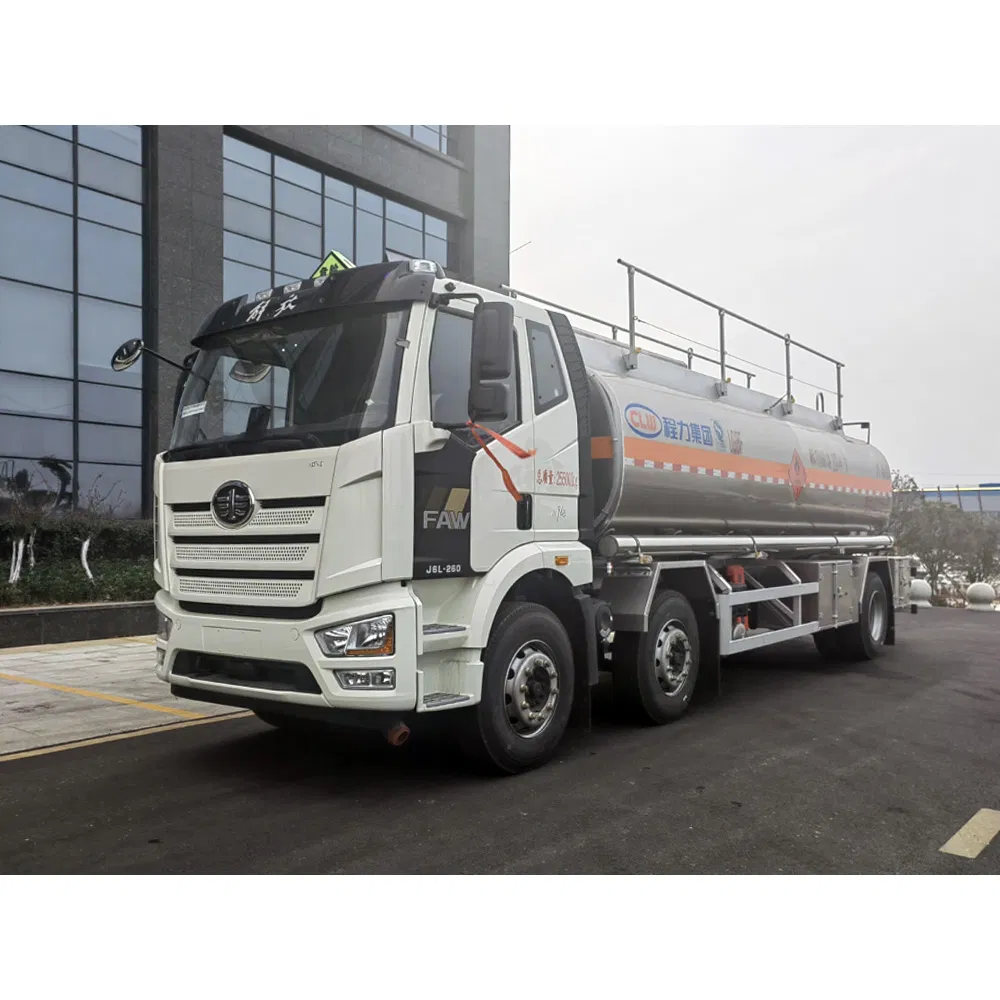
20,000 L 6x4 Regional Fuel Tanker Truck
20,000 L | 3–4 Compartments | Q235B Steel or 5083 Aluminium | Bottom Loading Optional · Built on Sinotruk HOWO chassis · LHD / RHD
Carbon Steel vs Aluminium Tank Cost & Payload Impact
A 5083 marine-grade aluminium fuel tank carries a noticeably higher upfront purchase cost than a Q235B carbon steel tank of the same capacity, but it cuts tank body tare weight by roughly 30% to 40%. For fleets operating under strict axle-load weighbridges or hauling high-purity fuels, that saved deadweight translates directly into extra legal litres carried on every single trip.
The material choice should follow your road conditions, local repair capability, and fuel grade—not just upfront invoice price:
- Upfront Cost & Repairability (Carbon Steel Q235B): Carbon steel remains the lowest-cost option upfront and is standard across rough-road mining and rural routes. Almost any roadside or depot welding shop in Nigeria, Kenya, or Tanzania can repair a steel baffle or bracket if a truck suffers impact damage on corrugated haul roads.
- Payload & Corrosion Resistance (5083 Aluminium Alloy): Aluminium does not rust internally, making it the preferred shell material for clean petroleum products (petrol and low-sulphur diesel) and fleets serving international oil marketing companies (OMCs). It also retains higher scrap and resale value at end of life.
- Operational Trade-Offs (TCO Framework): Under a standard fleet calculation framework—assuming fixed legal gross vehicle weight, paved regional corridors, and 250+ loaded trips per year—the extra payload from an aluminium tank can offset its higher acquisition cost over a multi-year operating cycle. However, on unpoliced off-road quarry tracks where rough terrain cracks poorly supported welds and specialised TIG aluminium welders are unavailable, heavy-gauge 5 mm–6 mm carbon steel frequently delivers lower downtime risk.
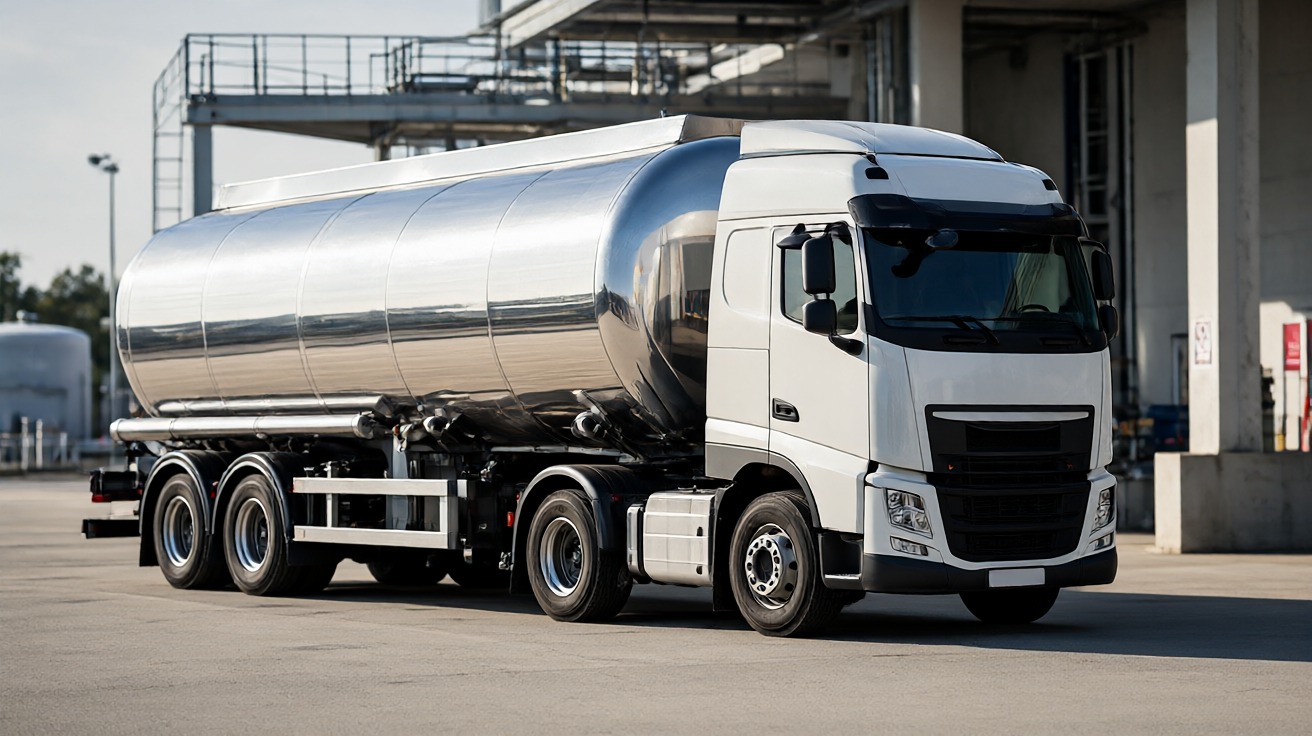
20,000 L 6x4 5083 Aluminium Alloy Fuel Tanker
20,000 L | 4 Compartments | 5083 Aluminium | API Bottom Loading & Vapour Recovery · Built on Shacman chassis · LHD / RHD
Chassis Choice: Sinotruk HOWO, Shacman & Isuzu Price Gaps
The commercial truck chassis accounts for roughly 55% to 70% of a complete fuel tanker truck’s total FOB cost. Choosing between Chinese heavy-duty platforms and Japanese-engineered light/medium platforms alters not only your day-one invoice, but also spare-parts pricing, fuel consumption, and delivery lead time.
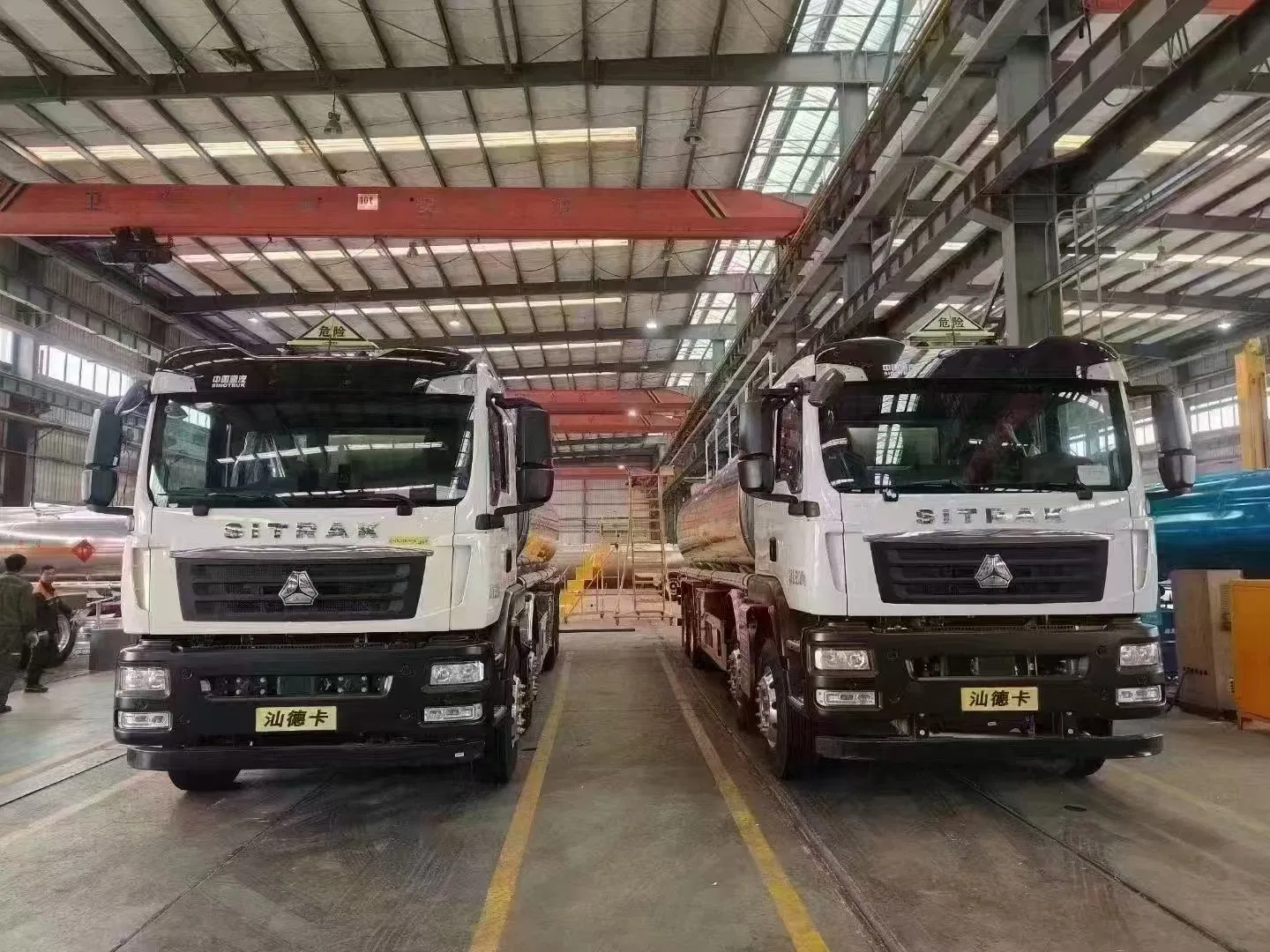
- Trucks built on Sinotruk HOWO chassis: Positioned as the highest-volume value benchmark for 10,000 L to 35,000 L tankers across Africa and the Middle East. Parts availability for common engine and axle series is exceptionally deep in major hubs like Lagos, Nairobi, and Dar es Salaam, keeping routine service costs predictable. Explore compatible configurations on our Sinotruk HOWO chassis overview page.
- Trucks built on Shacman chassis: Typically priced slightly above entry-spec HOWO equivalents in heavy-duty 6x4 and 8x4 brackets, depending on engine (Weichai WP10/WP12 or optional Cummins) and axle specifications. Fleet buyers often pay the modest chassis premium for Shacman on steep gradients, high-ambient-temperature corridors, and heavy multi-compartment haulage.
- Trucks built on Isuzu chassis: Widely selected for 5,000 L to 12,000 L urban delivery trucks and East African right-hand-drive fleets. While a tanker built on an Isuzu chassis carries a higher per-litre acquisition cost than a comparable Chinese 4x2 platform, operators value its fuel economy in stop-start city traffic and strong local dealership resale value.
- LHD vs. RHD Pricing & Lead Time: Left-hand-drive (LHD) chassis for Nigeria, Ghana, Senegal, and Iraq are produced continuously in high volume. Right-hand-drive (RHD) chassis for Kenya, Tanzania, Uganda, Zambia, and Zimbabwe require factory RHD steering, dashboard, and lighting builds, which typically add a modest cost premium and slightly longer production lead time.
30,000 L 8x4 Heavy-Duty Multi-Compartment Fuel Tanker
30,000 L | 5 Compartments | Carbon Steel or Aluminium | Pneumatic Emergency Valves · Built on Sinotruk HOWO chassis · LHD / RHD
Bottom Loading, API Valves & Shipping (FOB vs CIF)
Tanker piping, metering, and safety hardware can shift total truck cost significantly—even when two trucks share the exact same chassis and tank volume. Before comparing quotes, buyers must confirm whether a quotation is priced for basic top-loading gravity discharge or full depot-compliant bottom loading.
Upper-Body Equipment & Safety Add-Ons
- Compartments & Baffles: Moving from a single-compartment diesel bowser to a 4- or 5-compartment tanker (for hauling petrol, diesel, and kerosene simultaneously) adds internal dished bulkheads, separate manhole covers, independent piping runs, and individual discharge valves.
- Top Loading vs. European-Standard Bottom Loading: Many major OMC depots in Kenya, Nigeria, and South Africa now prohibit open top loading. Upgrading to a full bottom-loading system adds API bottom-loading adaptors, vapour recovery valves, pneumatic emergency foot valves, and optical overfill prevention sensors.
- Pumps, Meters & Dispensers: Standard builds use a PTO-driven gear or vane fuel pump. Adding a precision positive-displacement flow meter, ticket printer, heavy-duty refuelling hose reel, or brand-specified metering package (optional brands available upon request) raises the upper-body budget accordingly.
- Dangerous-Goods Compliance Hardware: Front-mounted exhaust with spark arrestor, master battery cut-off switch, anti-static earthing reel, dual dry-powder fire extinguishers, and collapsible top safety handrails should be confirmed before production starts.
FOB vs. CIF Shipping Cost Factors
- FOB (Free On Board) China Port: Covers the complete tested truck, standard export anti-rust waxing, factory calibration/pressure testing documentation, inland transport to the Chinese load port (typically Qingdao, Shanghai, or Tianjin), and China export customs clearance.
- CIF (Cost, Insurance & Freight): Adds ocean freight and marine insurance to your destination port—such as Apapa/Tin Can (Nigeria), Mombasa (Kenya), or Dar es Salaam (Tanzania). For rigid fuel tankers, Ro-Ro (Roll-on/Roll-off) vessels generally offer the most economical and damage-resistant ocean freight, while Bulk / General Cargo vessels serve ports with limited Ro-Ro sailings. Oversize 8x4 trucks incur higher freight charges based on total cubic metres (CBM).
- Compliance & Destination Boundary (Last updated: November 2026): CIF pricing does not cover destination port handling charges, import duties, VAT, local dangerous-goods tank calibration fees, or country-specific pre-shipment inspection certificates (such as SONCAP/Form M processes in Nigeria or PVoC in East Africa). Always verify current destination port rules and axle regulations with your licensed clearing agent prior to vessel booking.