Side-by-Side Comparison: 5083 Aluminium vs Q235B Carbon Steel
Choosing between carbon steel and marine-grade 5083 aluminium alloy is an operational engineering trade-off, not simply a budget decision. Both materials haul petrol, diesel, and kerosene safely when fabricated to international pressure-test standards, yet they behave very differently across weighbridges, corrosive coastal climates, and remote workshops.
| Evaluation Criterion | Q235B / Q345B Carbon Steel Tank | 5083-H111 Aluminium Alloy Tank | Fleet Operating Impact | Actions |
|---|---|---|---|---|
| Typical Shell Thickness (mm) | 5 mm shell / 6 mm end heads | 6 mm shell / 7–8 mm end heads | Aluminium uses thicker plate yet weighs ~35% less due to lower metal density | View Models | Get FOB Quote |
| Tank Body Weight Difference (%) | Baseline (100%) | 30% – 40% lighter body | Saves ~1.4–2.2 t on rigid trucks and ~2.8–3.5 t on 45,000 L semi-trailers | View Models | Get FOB Quote |
| Internal Corrosion & Fuel Purity | Prone to rust from water condensation; needs internal epoxy lining for clean fuels | Naturally corrosion-resistant; zero rust contamination | 5083 aluminium meets strict OMC cleanliness specs for petrol & Jet A-1 | View Models | Get FOB Quote |
| Field Repair & Welding | Easy stick/MIG welding at almost any roadside African workshop | Requires specialised TIG/MIG aluminium welder & clean argon shielding | Carbon steel cuts downtime risk on corrugated off-road mine haul roads | View Models | Get FOB Quote |
| Upfront Price & Residual Value | Lower Day-1 FOB purchase price; modest scrap value | Higher Day-1 FOB purchase price; high scrap & resale value | Aluminium retains substantial alloy scrap value even after 10+ years of service | View Models | Get FOB Quote |
Review rigid configurations across our fuel tanker trucks hub or articulated highway builds on our fuel tanker trailers page to see how each tank shell pairs with regional chassis limits.
Tare Weight & Payload Math: How Many Extra Litres Per Trip?
Under strict gross-vehicle-weight (GVW) and axle-group weighbridges—such as KeNHA stations along Kenya’s Mombasa–Nairobi highway or ECOWAS trunk checkpoints in West Africa—every kilogramme saved in empty tank tare weight converts straight into revenue-earning liquid payload.
Why Aluminium Weighs Less Despite Thicker Plates
Carbon steel has a density of 7.85 g/cm³, while 5083 marine-grade aluminium alloy has a density of 2.66 g/cm³—roughly one-third the mass per cubic centimetre. Even when tank builders increase aluminium shell thickness from 5 mm to 6 mm (and end heads to 7–8 mm) to match structural fatigue strength, the finished tank body, internal baffles, and sub-frame assembly shed significant deadweight:
- 20,000 L 6x4 Rigid Tanker: Switching from Q235B carbon steel to 5083 aluminium trims roughly 1,300 to 1,700 kg of empty mass. At automotive diesel density (~0.84 kg/L), that equals 1,550 to 2,000 extra legal litres per trip without crossing the 18-tonne tandem axle limit.
- 30,000 L 8x4 Rigid Tanker: Weight savings typically reach 1,800 to 2,200 kg, creating room for 2,100 to 2,600 extra legal litres of diesel (or 2,400 to 3,000 L of petrol at ~0.74 kg/L) per loaded haul.
- 45,000 L Tri-Axle Semi-Trailer: Combining a 5083 aluminium tank shell with an aluminium sub-frame and optional aluminium-alloy rims trims 2,800 to 3,600 kg, unlocking roughly 3,300 to 4,200 extra legal litres of diesel on every trunk journey—while also lowering fuel burn on the empty return leg because the tractor pulls 3+ fewer tonnes of steel.
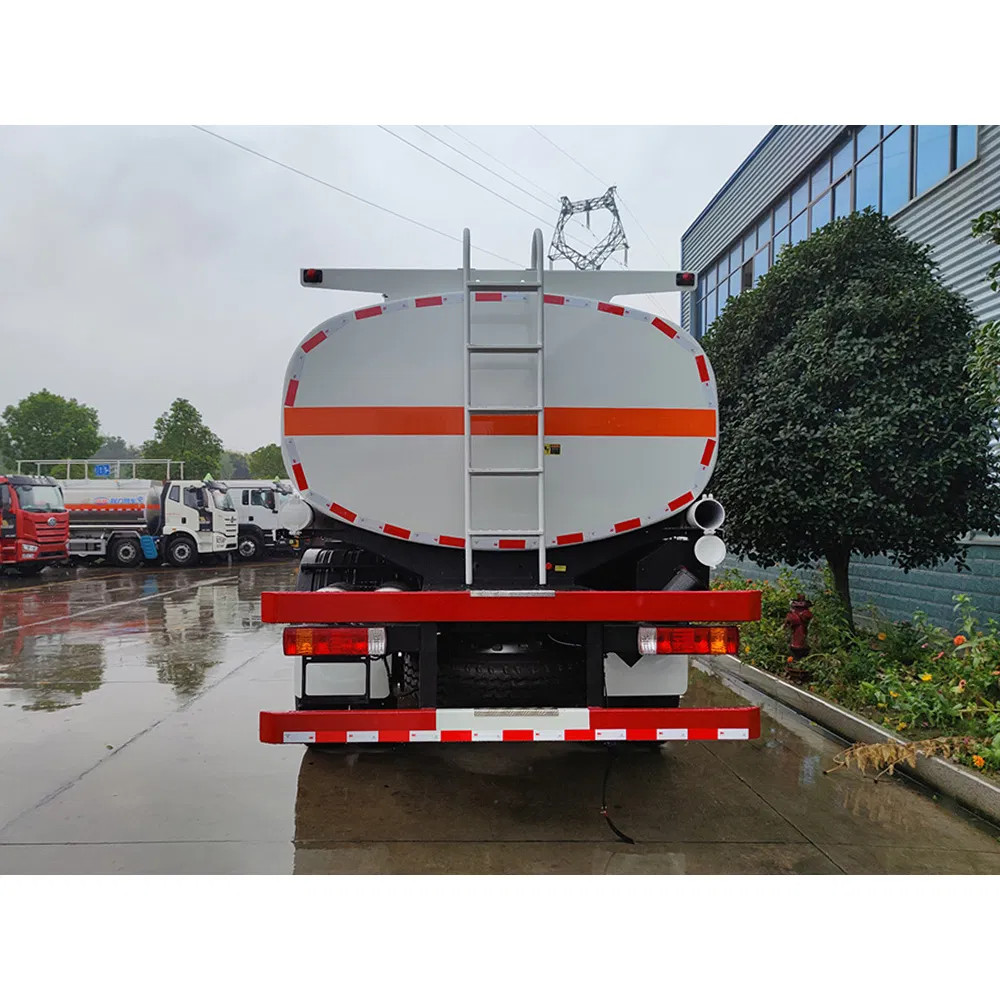
20,000 L 6x4 5083 Aluminium Alloy Tanker
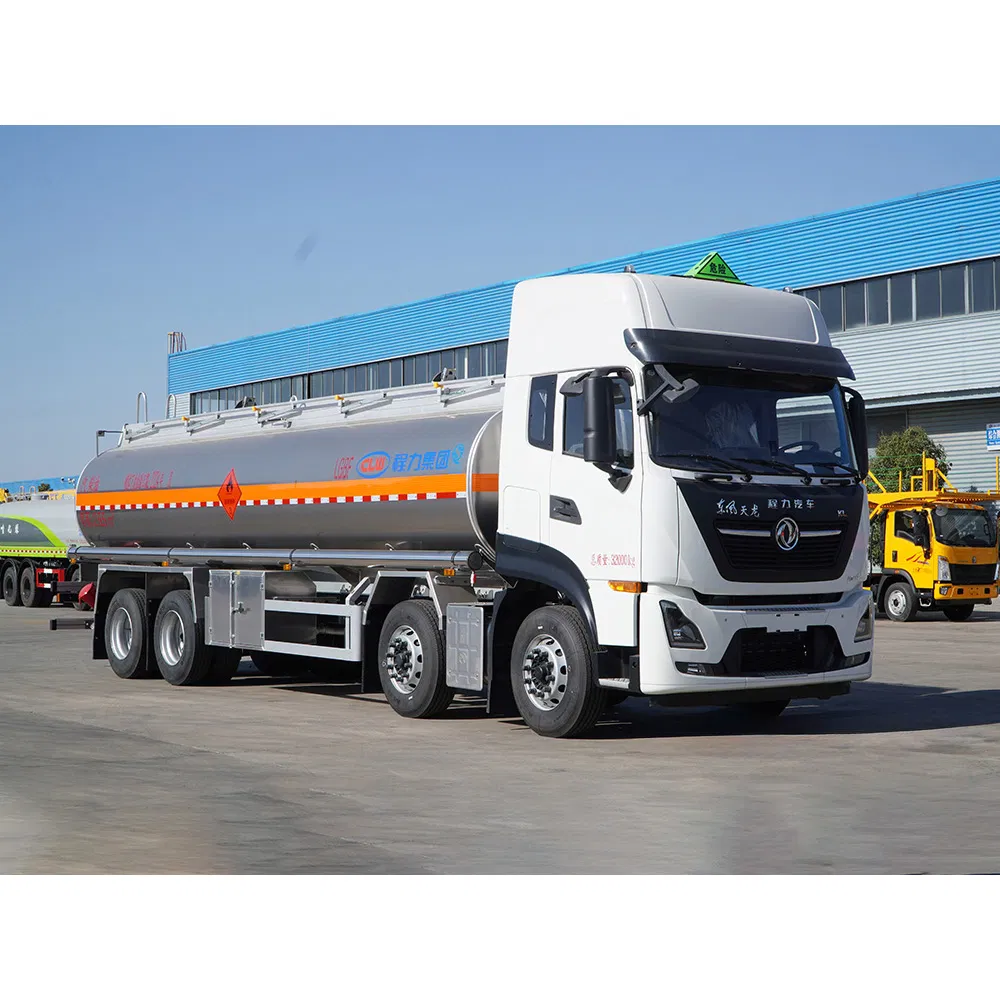
20,000 L | 4 Compartments | 6 mm 5083 Alloy Shell | API Bottom Loading & Vapour Recovery · Built on Shacman chassis · LHD / RHD
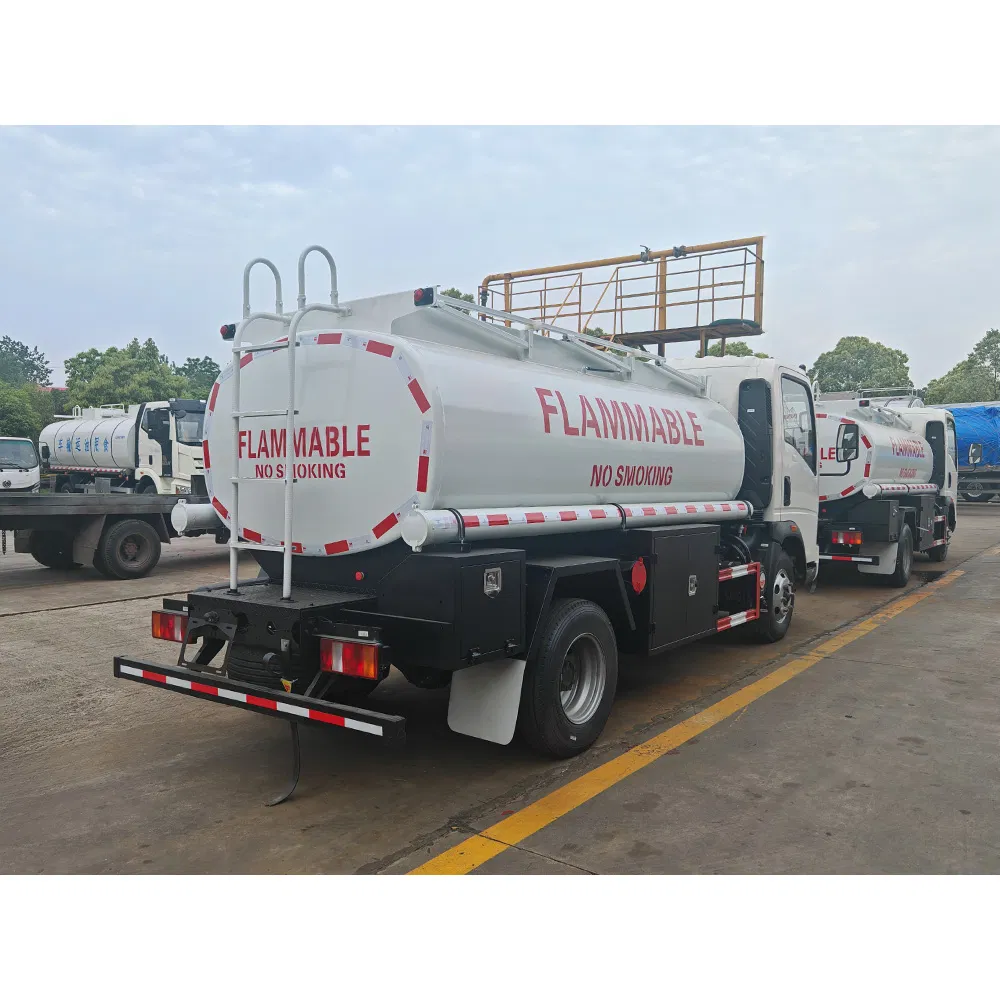
20,000 L 6x4 Heavy-Gauge Carbon Steel Tanker
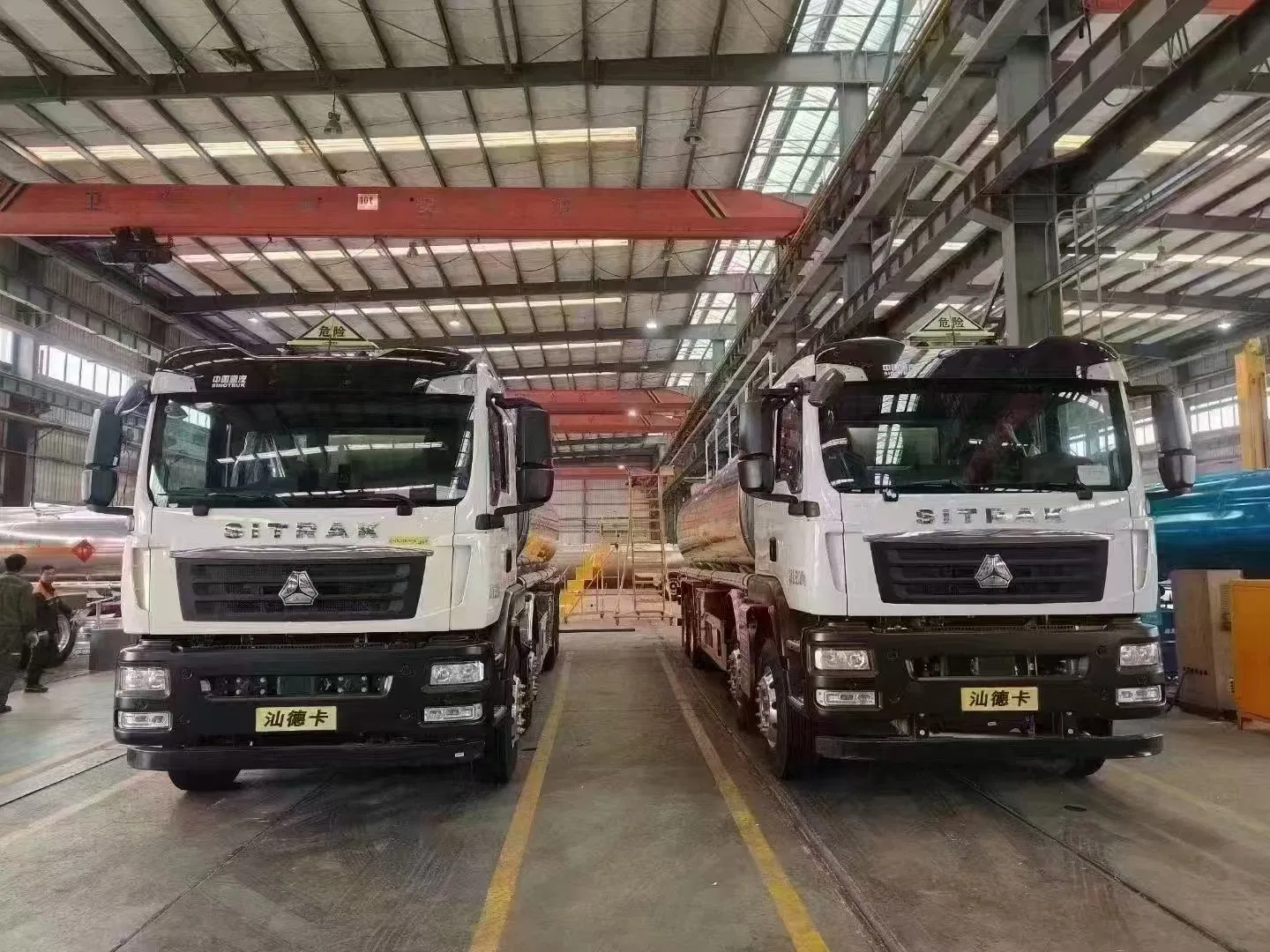
20,000 L | 3–4 Compartments | 5 mm Q235B Carbon Steel | Reinforced Baffles & PTO Pump · Built on Sinotruk HOWO chassis · LHD / RHD
Corrosion Resistance, Fuel Purity & Field Repairability
Beyond axle weighbridges, the biggest daily operational divider between aluminium and carbon steel shows up in two places: fuel cleanliness audits at major oil depots and structural repairability after rough-road fatigue.
Fuel Quality & OMC Contract Compliance
- Moisture & Internal Rust (Carbon Steel): Ambient humidity and thermal swings between coastal depots (Lagos, Mombasa, Dar es Salaam) and inland highlands create water condensation inside fuel compartments. In uncoated carbon steel tanks, that water reacts with tank walls to form iron-oxide sludge—clogging station filters, scoring high-pressure diesel injectors, and causing load rejections during strict oil marketing company (OMC) sampling. Applying an internal anti-corrosion epoxy coating mitigates rust initially, but requires periodic inspection and re-coating.
- Clean Petroleum & Aviation Fuels (5083 Aluminium): Aluminium forms a passive self-sealing oxide layer that never flakes into rust particles. For fleets contracted to multinational OMCs or hauling petrol (PMS), ultra-low-sulphur diesel, and clean diesel and petrol, 5083 aluminium protects cargo clarity with zero internal re-coating cost—and resists external salt-air corrosion along coastal routes.
Road Roughness & Repair Infrastructure
- Where Carbon Steel Wins: Corrugated mining haul tracks, deep potholes, and severe chassis twist induce cyclic stress along tank mounting brackets and internal surge baffles. Carbon steel exhibits higher yield tolerance to sharp impact and can be repaired in hours by any certified local welder using standard arc equipment.
- Protecting Aluminium on Mixed Roads: Modern 5083 aluminium tanks engineered for Africa use full-length heavy-duty longitudinal mounting sills, flexible rubber/spring isolation mounts (to decouple chassis frame twist from the aluminium shell), and automatic seam welding. However, if a collision punctures an aluminium shell 600 km from a major industrial hub, sourcing a qualified TIG/MIG aluminium welder and argon gas takes longer—making route quality a critical decision filter.
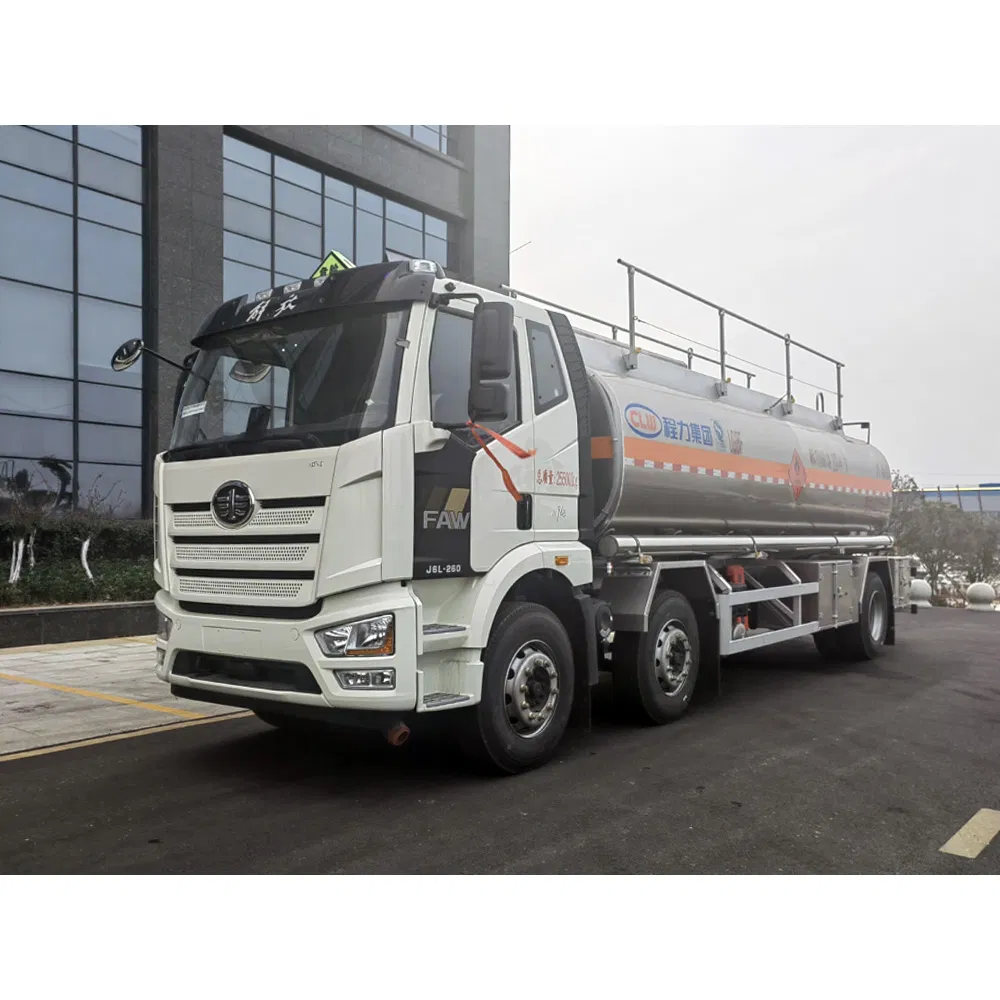
45,000 L 3-Axle 5083 Aluminium Fuel Semi-Trailer
45,000 L | 5–6 Compartments | Low-Tare 5083 Alloy | Optional Air Suspension & Alloy Rims · Pairs with 6x4 tractor built on Sinotruk HOWO or Shacman chassis · LHD / RHD
Upfront Cost Gap & Multi-Year TCO Modeling Framework
Because marine-grade 5083 aluminium plate and automated inert-gas welding cost significantly more than Q235B carbon steel, an aluminium tank body carries a clear Day-1 acquisition premium. Determining whether that premium pays back inside your fleet’s target window requires a structured Total Cost of Ownership (TCO) calculation—never a generic rule of thumb.
Important Modeling Disclaimer: Payback speed varies widely by national freight tariffs, weighbridge enforcement, diesel prices, and annual mileage. The framework below states explicit modeling assumptions so your finance team can plug in real route numbers rather than relying on unverified payback claims.
| TCO Cost / Revenue Lever | Modeling Assumption Benchmark | Carbon Steel Impact | 5083 Aluminium Impact | Actions |
|---|---|---|---|---|
| Acquisition Cost (Year 0) | Same chassis (e.g., 6x4 built on Sinotruk HOWO chassis) & same API piping | Lower upfront capital outlay | Higher upfront tank-body price tier | View Models | Get FOB Quote |
| Extra Legal Payload Revenue | Weighed highway; 200–250 loaded trips/yr; paid per litre delivered | Baseline legal litres per trip | +1,500 to +4,000 extra legal litres/trip (rigid vs. trailer) | View Models | Get FOB Quote |
| Empty-Leg Fuel & Tyre Wear | 80,000–120,000 km/yr; 50% empty backhaul distance | Higher empty mass increases return-leg diesel & tyre wear | 1.5–3.5 t lighter backhaul trims return-leg fuel & brake wear | View Models | Get FOB Quote |
| Coating & Structural Maintenance | 5-year coastal or inland operation window | Periodic repainting & internal epoxy inspection; cheap welding | No internal rust/painting; specialised welding if damaged | View Models | Get FOB Quote |
| End-of-Life Resale / Scrap Value | 8–10 year tank service horizon | Low steel scrap recovery | High recoverable 5083 alloy scrap & OMC resale value | View Models | Get FOB Quote |
Clear Decision Rule for Fleet Buyers
- Specify 5083 Aluminium Alloy if your trucks run paved regional or cross-border corridors, pass strict axle weighbridges, haul 200+ trips per year under per-litre OMC contracts, or transport clean petrol/aviation fuel.
- Specify Q235B / Q345B Carbon Steel if your vehicles operate on unpaved mine, quarry, or rural feeder tracks, run fewer than 120 trips per year (such as standby generator refuelling), or operate far from certified TIG aluminium repair facilities.
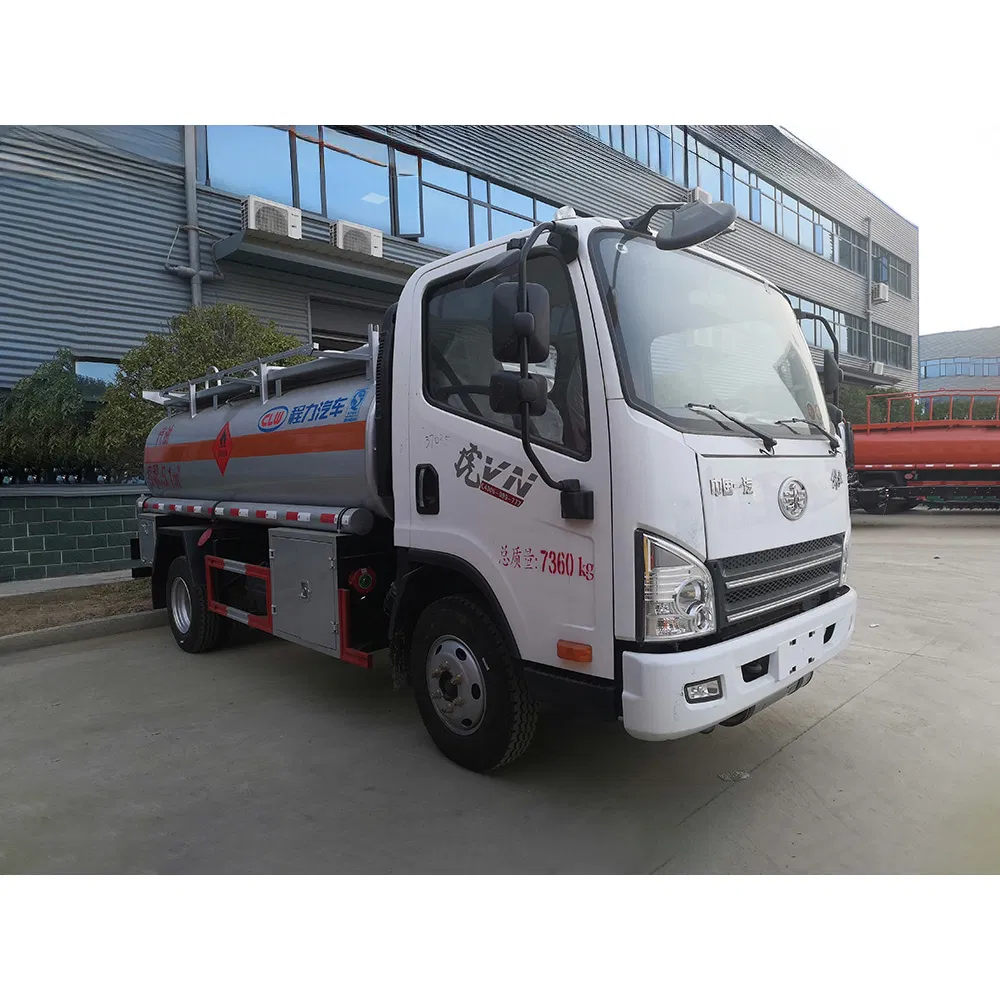
30,000 L 8x4 Rigid Multi-Compartment Tanker
30,000 L | Available in Q235B Carbon Steel or 5083 Aluminium | Optional Metering Packages · Built on Sinotruk HOWO chassis · LHD / RHD
Compliance & pricing note (Last updated: November 2026): Upfront price differentials between 5083 aluminium alloy and Q235B carbon steel fluctuate with international aluminium and steel plate markets. Written FOB/CIF quotes and a customisable Excel TCO worksheet calibrated to your route distance and local freight tariff are issued upon request.