
 LHD · RHD to order
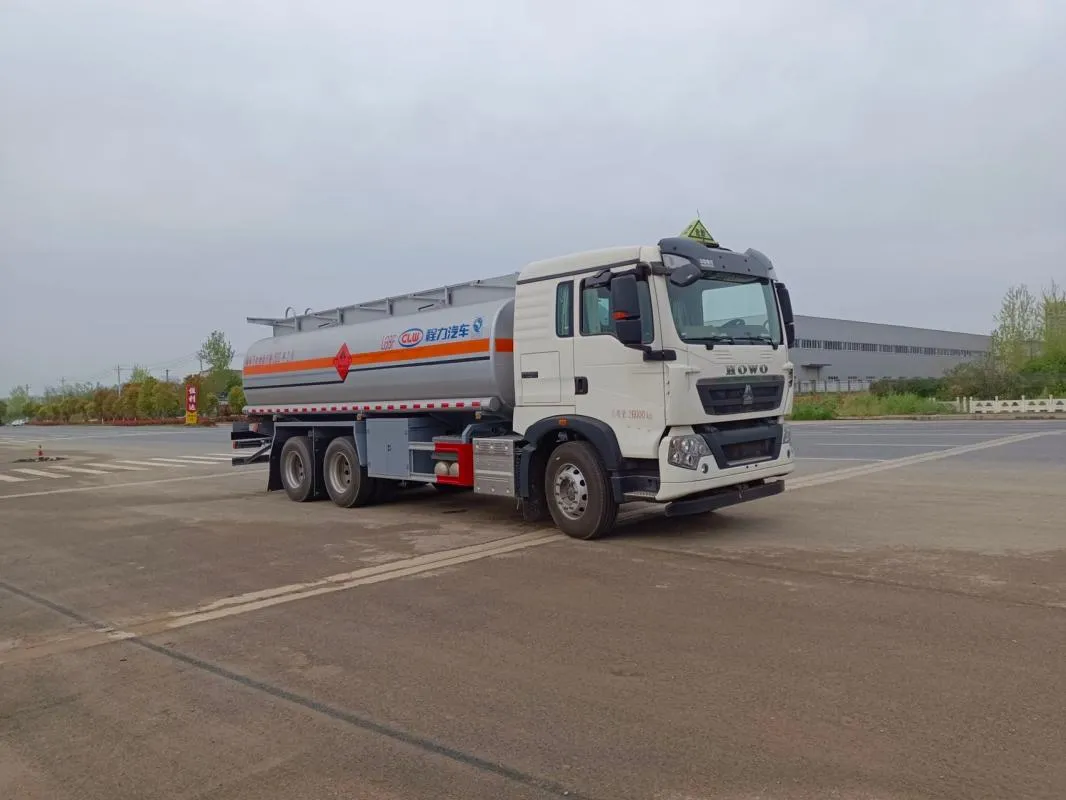
Sinotruk HOWO 21,000 L Fuel Tanker Truck (CL5261GYYZ6)
- Chassis
- Built on Sinotruk chassis (ZZ1267N464GF1K)
- Capacity / duty
- 21 m³ (21,000 L)
- Drive
- 6x4
CHASSIS PLANNING
A familiar chassis badge is one part of the decision. Payload, body layout, equipment interfaces, steering and service access must work together for the quoted vehicle.
Sinotruk HOWO, Shacman, Isuzu, Dongfeng, FAW and Foton are chassis names buyers may include in a HeavyFleetTrucks enquiry. State the preferred brand and exact model if known, then describe the body and duty. The team can review a defined chassis-body combination rather than treat a brand name as a complete technical specification.
| Chassis preference | Useful first enquiry | Identify in the written proposal |
|---|---|---|
| Sinotruk HOWO | Describe the tanker, tipper, lifting or other working-body requirement. | Exact chassis model, steering side, drive layout, engine/emissions specification and body interface. |
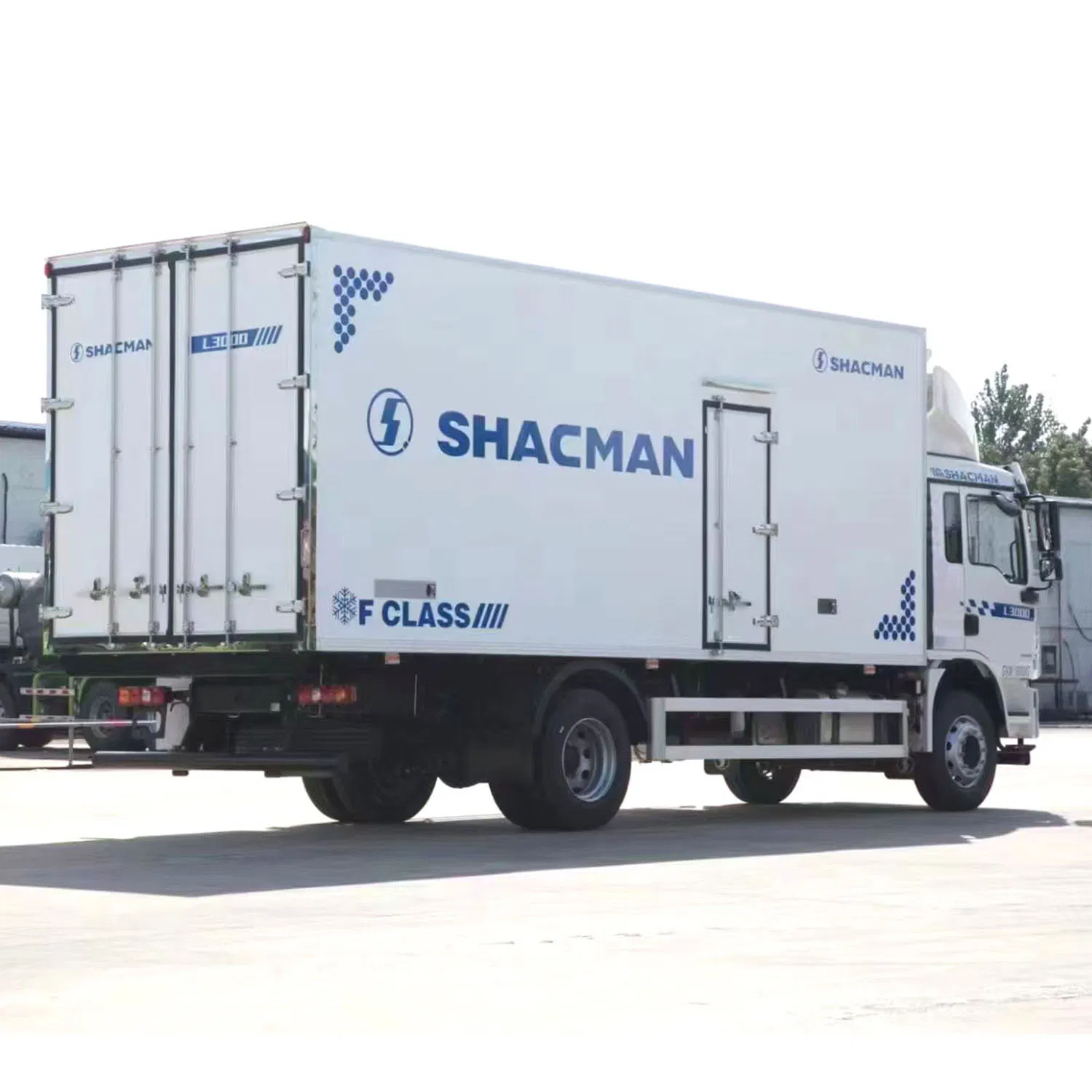
| Shacman | Describe the body, road duty and site conditions. | Exact model and axle arrangement, wheelbase and mounting requirements for the proposed body. |
| Isuzu | Describe the distribution, refrigeration or specialist-body duty. | Exact model, requested payload, body envelope and equipment connection requirements. |
| Dongfeng | Describe the body system, cargo and route. | Exact model, steering, available load allocation and supplied equipment. |
| FAW | Describe the liquid, logistics or other working duty. | Exact model, body installation details and destination requirements. |
| Foton | Describe the delivery, cold-chain or other body requirement. | Exact model, body dimensions, operating cycle and service requirements. |
This is an enquiry guide, not a stock list or a guarantee that every platform is available with every body, steering side or emission specification. Ask for the offered model and configuration in the proposal. Chassis brands identify the equipment being discussed; they do not imply an exclusive dealership relationship.
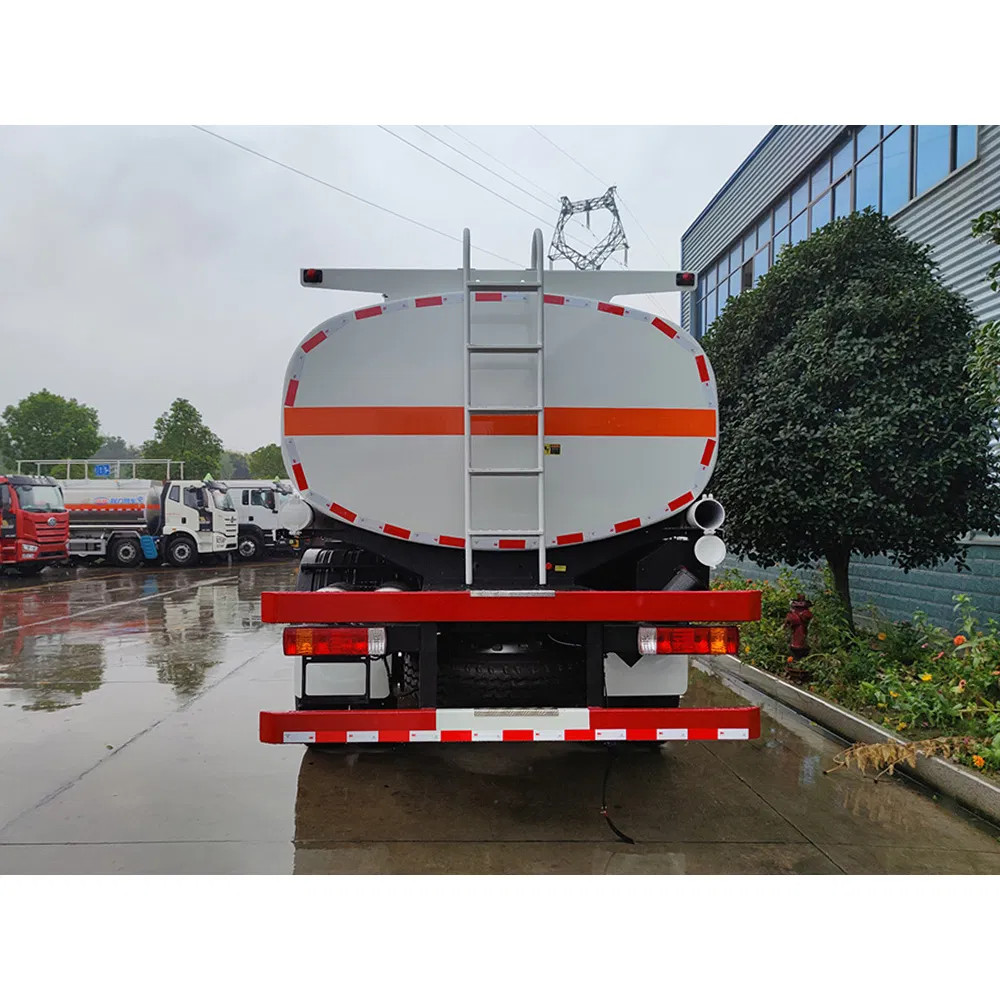
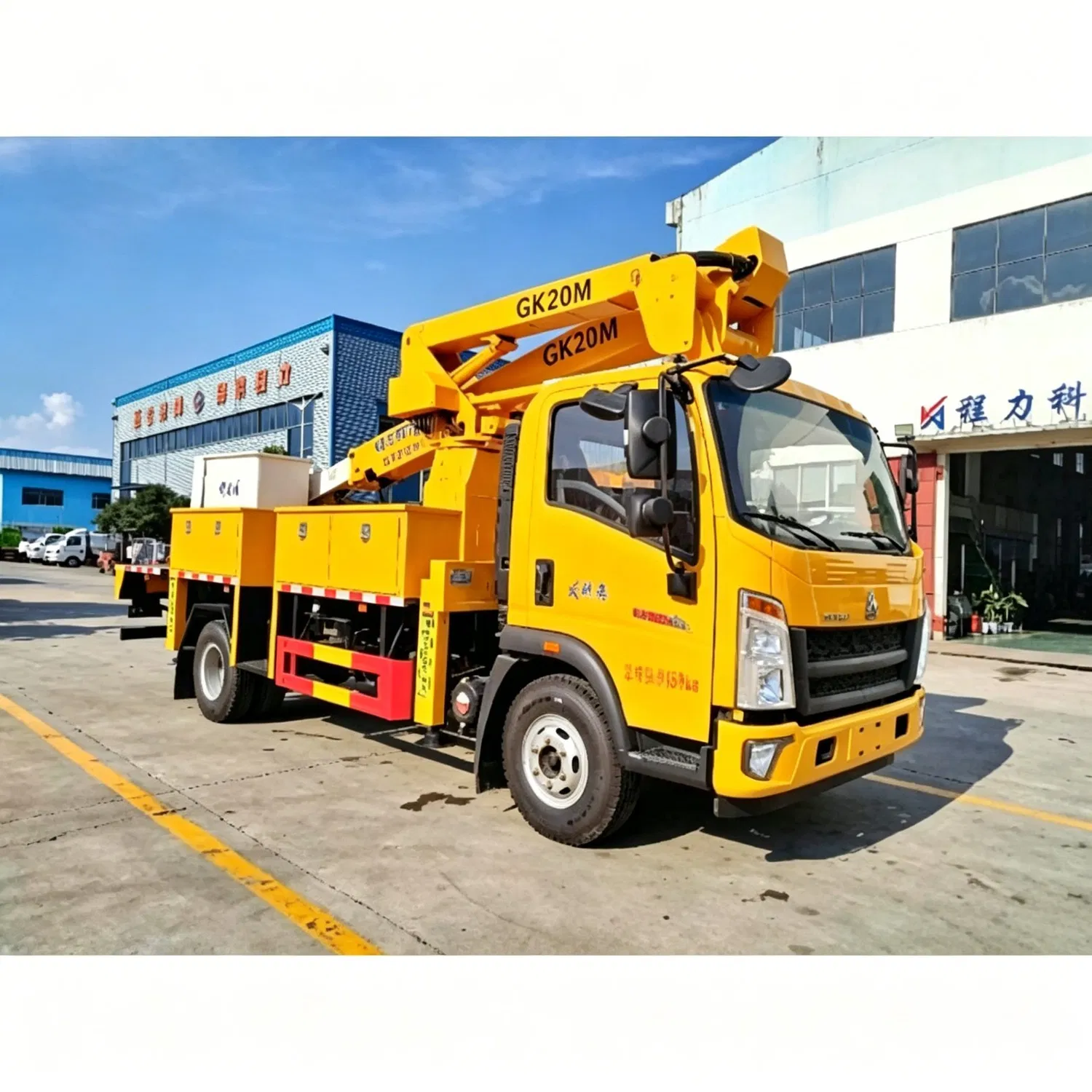
The complete vehicle has to carry its own body and installed equipment as well as the intended working load. A tanker adds the tank, fittings and transfer system; a refrigerated body adds insulation and cooling equipment; a crane installation brings lifting equipment, mounting and stability requirements. These differences should be considered before a requested payload is accepted.
Supply the loading and unloading method, route restrictions and any site access limits. A body that suits the cargo can still be awkward at a low entrance, a tight yard or a restricted unloading position. Photos and a simple site sketch can make those constraints easier to discuss.
For powered body equipment, identify the operating duty and interfaces that need review. Pumping, refrigeration, tipping and lifting have different requirements. The proposal should make the supplied equipment and the way it is driven clear, including any operating restrictions relevant to the build.
| Review item | Questions for the buying brief |
|---|---|
| Load and body | What cargo is carried? What are the requested working load, body dimensions and loading method? |
| Route and access | Will the vehicle work on paved roads, a construction site or a remote route? What width, height, turning or axle restrictions apply? |
| Steering and drive | Is LHD or RHD required? What drive arrangement is requested for the actual terrain and load cycle? |
| Equipment interfaces | What body-powered equipment, controls, electrical demand or additional systems must be included? |
| Destination and documents | What exact model, emission or registration information does your importer require before purchase? |
| Maintenance resources | Which chassis and equipment can your local workshop maintain, and which parts should accompany the first order? |
Use the same checklist when comparing alternatives. If one proposal changes the wheelbase, chassis model, body dimensions or installed equipment, ask how the change affects the intended duty. The lowest headline price is only useful when it covers the equipment and operating requirements you actually need.
Send a chassis and body requirementCheck how the workshop will identify service parts for the chassis, body and major installed assemblies. Keep the quoted configuration, nameplate photographs, chassis and body identification, manuals and supplied equipment references together. This avoids having to reconstruct the build when an operator needs assistance later.
The usual chassis warranty is 12 months, with its measures confirmed by the chassis OEM. The body normally has a separate 12-month warranty. Parts support is provided for five years. The applicable order and warranty conditions define the treatment of a claim; ordinary consumables and damage outside the coverage are different from a covered defect.
At inspection, review the actual build against the accepted configuration and demonstrate the agreed working functions. English manuals and model-specific videos are available for handover. Factory or overseas training can be included in the support discussion before the vehicle is dispatched.
Planning an RHD vehicle?FEATURED CHASSIS BUILDS
Compare live commercial configurations across our core tanker, cold-chain and construction ranges. All chassis availability and RHD options are confirmed in the written quotation.
LHD · RHD to order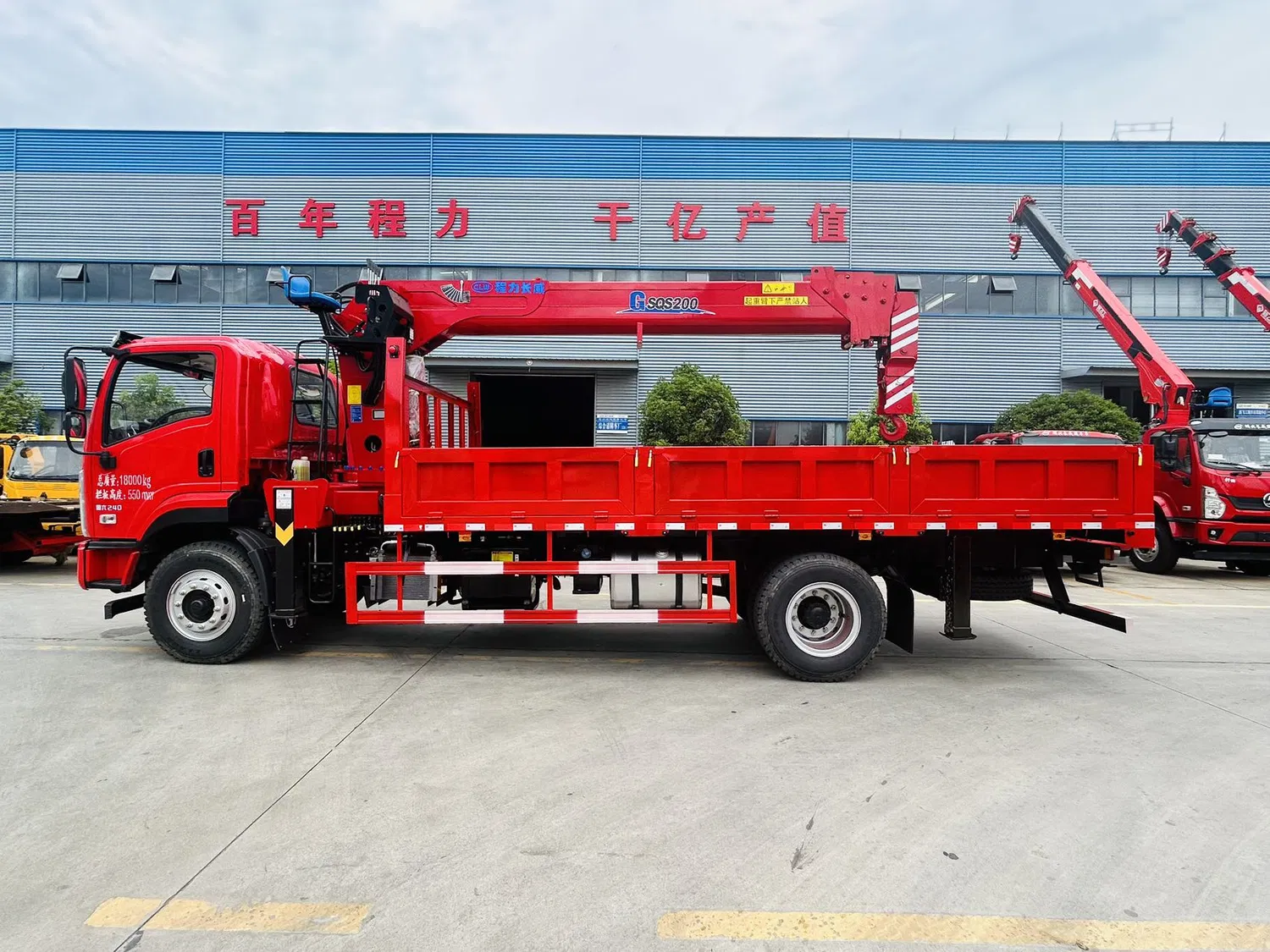 LHD · RHD to order
 LHD · RHD to order
 LHD · RHD to order
 LHD · RHD to order
 LHD · RHD to order
LET’S SPECIFY YOUR NEXT TRUCK
Tell us the working duty, destination and preferred delivery terms.