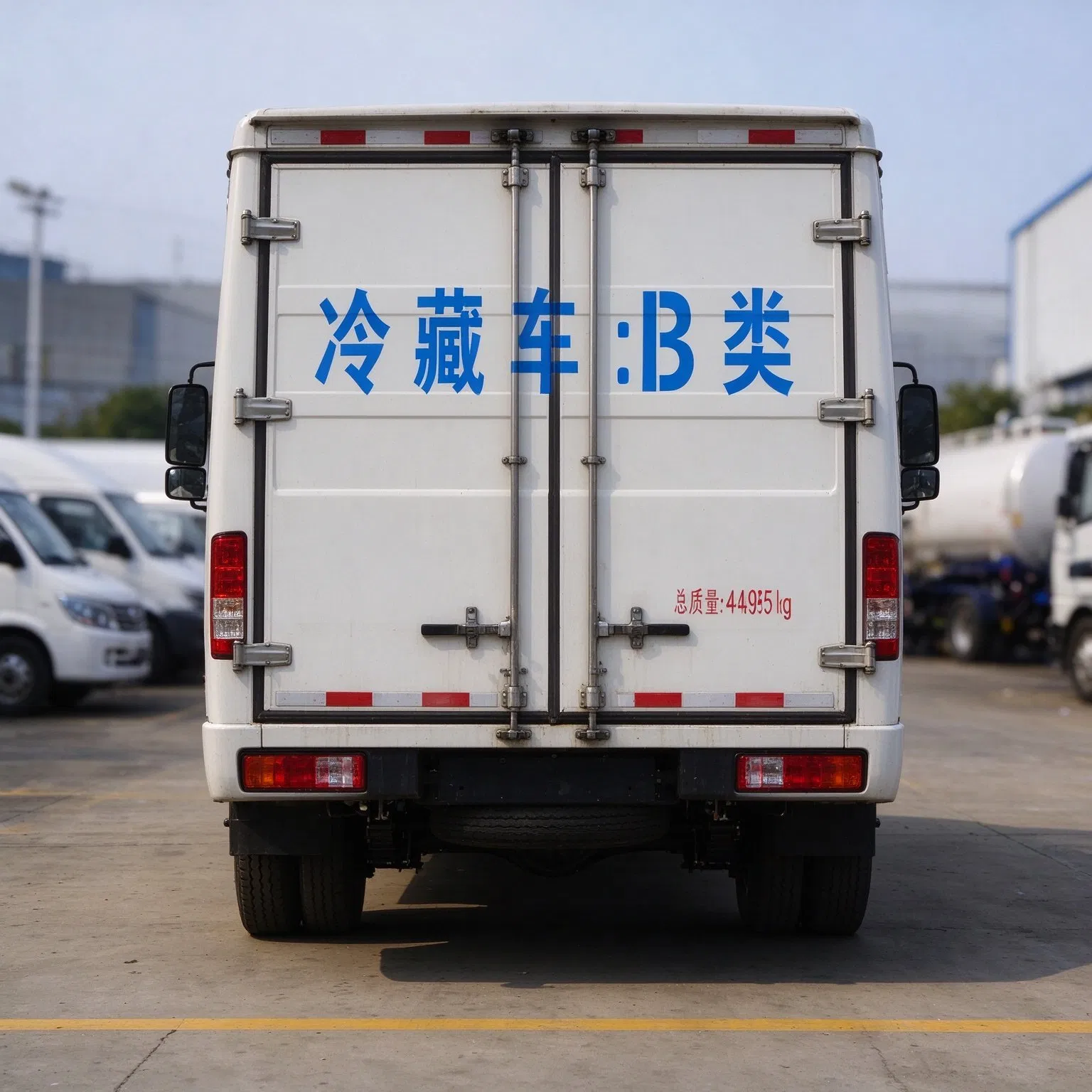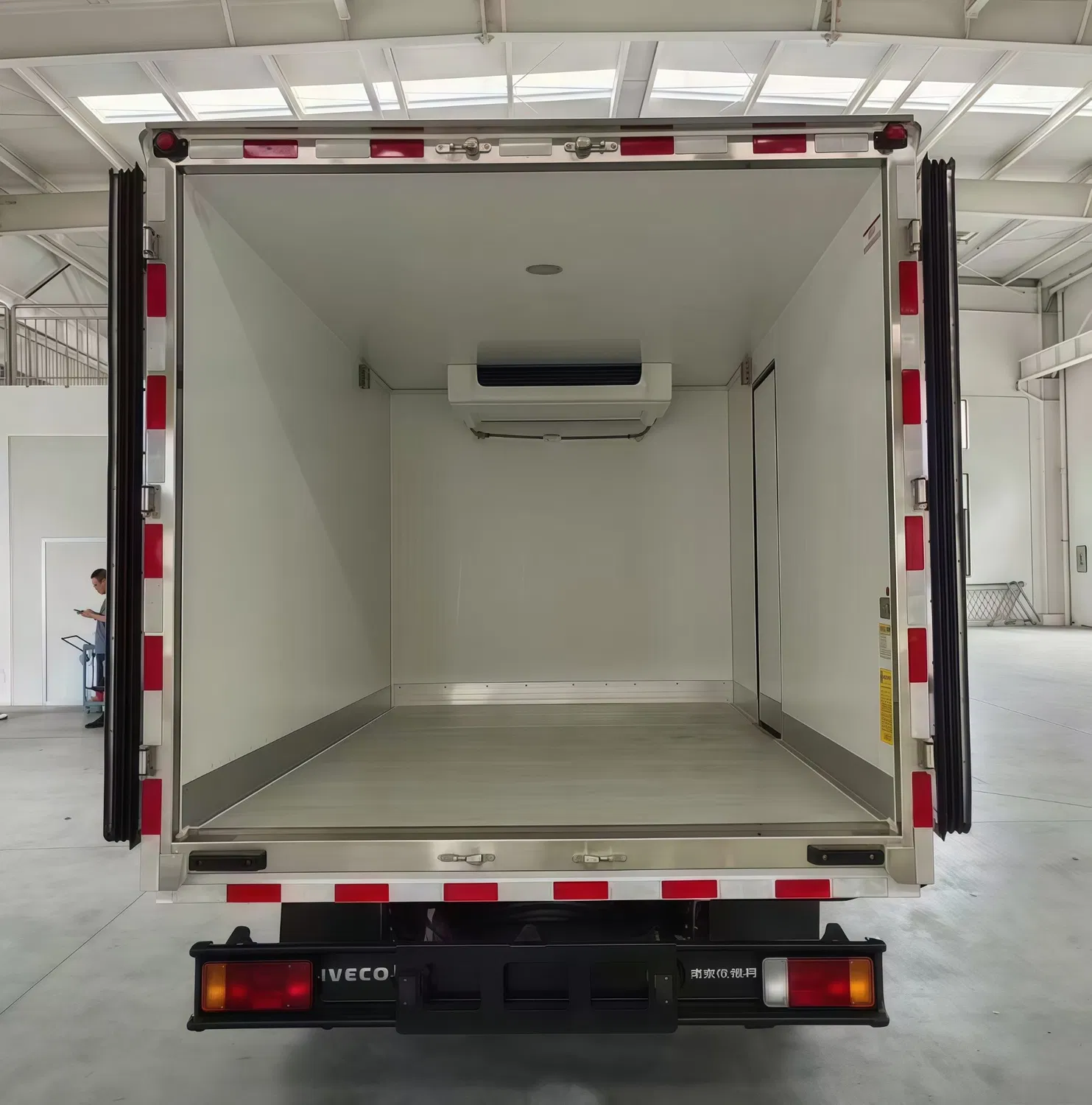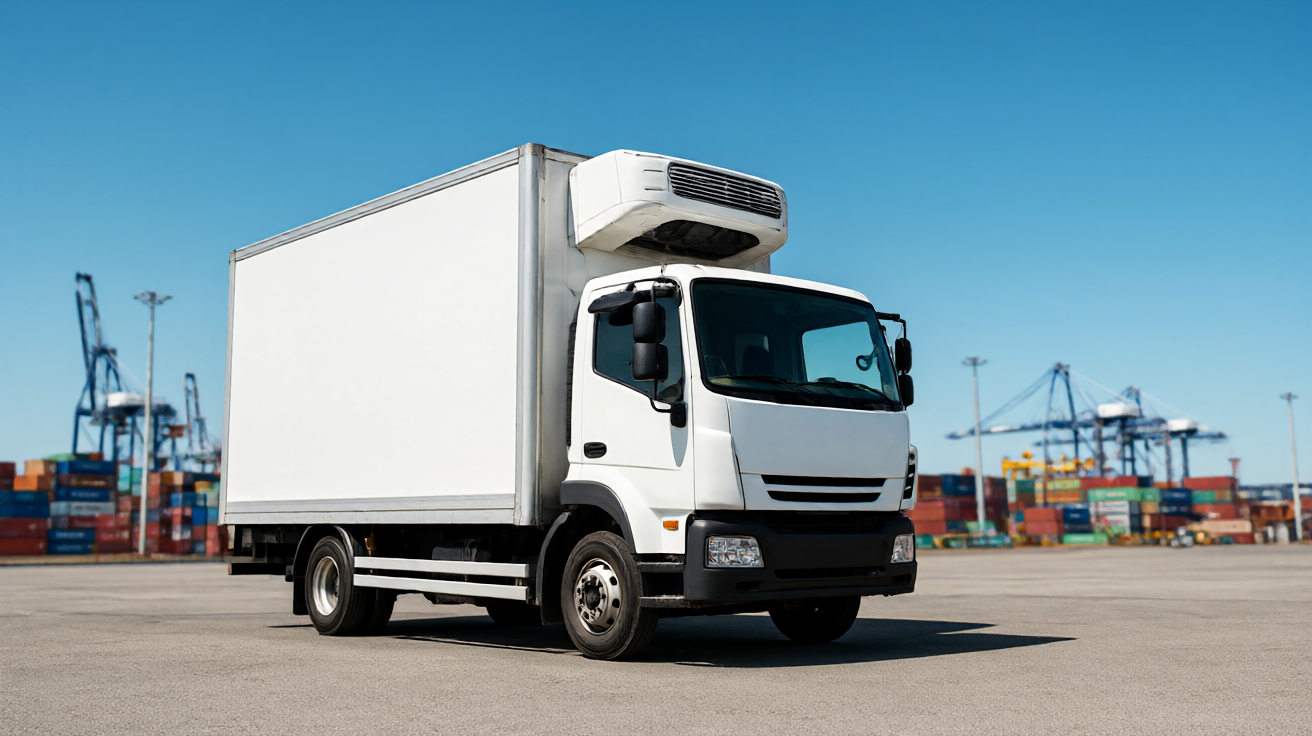
Reefer Body Sizes & Temperature Zones (Chilled, Frozen, Multi-Temp)
Selecting the right reefer box size and temperature rating starts with matching cargo density and daily delivery stops rather than simply buying the largest insulated box. Oversized boxes force cooling units to pull down unnecessary empty air volume at every door opening, spiking diesel burn and stressing compressors in Mombasa’s coastal humidity.
Testing & rating basis: All target interior temperatures below are engineered for East African ambient operating conditions rated up to +38°C to +45°C outside temperature, assuming proper pre-cooled cargo loading and matched polyurethane insulation thickness.
| Reefer Box Size (Length / Volume m³) | Payload Class (Tonnes) | Design Temperature Range (°C) | Typical East African Cargo & Zone Setup | Actions |
|---|---|---|---|---|
| 3.5 – 4.2 m (12 – 18 m³) | 1.5 – 3.5 t (4x2 Light) | +2°C to +8°C (Chilled) or -18°C (Frozen) | Urban dairy, fresh meat, flowers, supermarket last-mile drops; side door optional | View Models | Get FOB Quote |
| 5.2 – 6.2 m (25 – 32 m³) | 5 – 8 t (4x2 Medium) | -18°C to +15°C (Single or Dual-Temp) | Regional poultry, fish, pharmaceuticals, horticultural export shuttle | View Models | Get FOB Quote |
| 7.2 – 7.8 m (40 – 46 m³) | 10 – 12 t (4x2 / 6x2 Heavy) | -20°C to +15°C (Deep Freeze / Multi-Temp) | Intercity trunking (Mombasa–Nairobi, Dar–Arusha); movable partition bulkhead optional | View Models | Get FOB Quote |
| 8.6 – 9.6 m (52 – 58 m³) | 15 – 20 t (6x4 Heavy) | -20°C to +15°C (Independent Diesel Unit) | Cross-border cold chain (Kenya–Uganda, Tanzania–Zambia); meat rails & standby power optional | View Models | Get FOB Quote |
Compare standard box dimensions and thermal specs across our refrigerated trucks catalog or browse stock-ready layouts on our dedicated RHD refrigerated trucks page.
- Chilled Cargo (+2°C to +8°C / +12°C): Fresh milk, cut flowers (Naivasha to JKIA), fresh vegetables, and bakery goods. Requires reliable airflow circulation via T-shaped floor channels and precise thermostat control to avoid freeze-burning delicate produce.
- Frozen Cargo (-18°C to -20°C): Frozen fish (Lake Victoria / Mombasa coast), poultry, beef, and ice cream. Demands minimum 80 mm–100 mm high-density polyurethane foam panels and tight multi-lip rubber door seals.
- Multi-Temperature (Dual-Zone): Uses an insulated movable partition wall and secondary evaporator to haul -18°C frozen meat in the front bay and +4°C fresh produce in the rear bay on the same run—ideal for hotel and supermarket distributors.
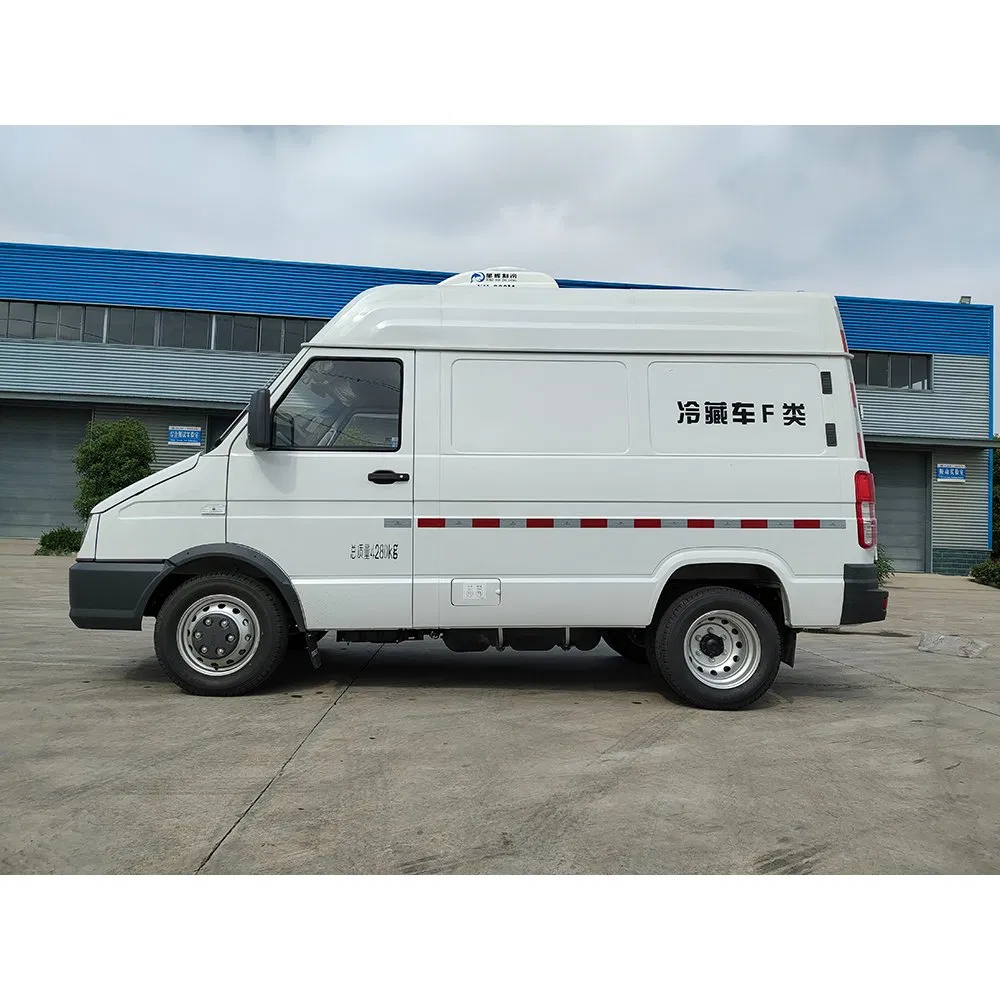
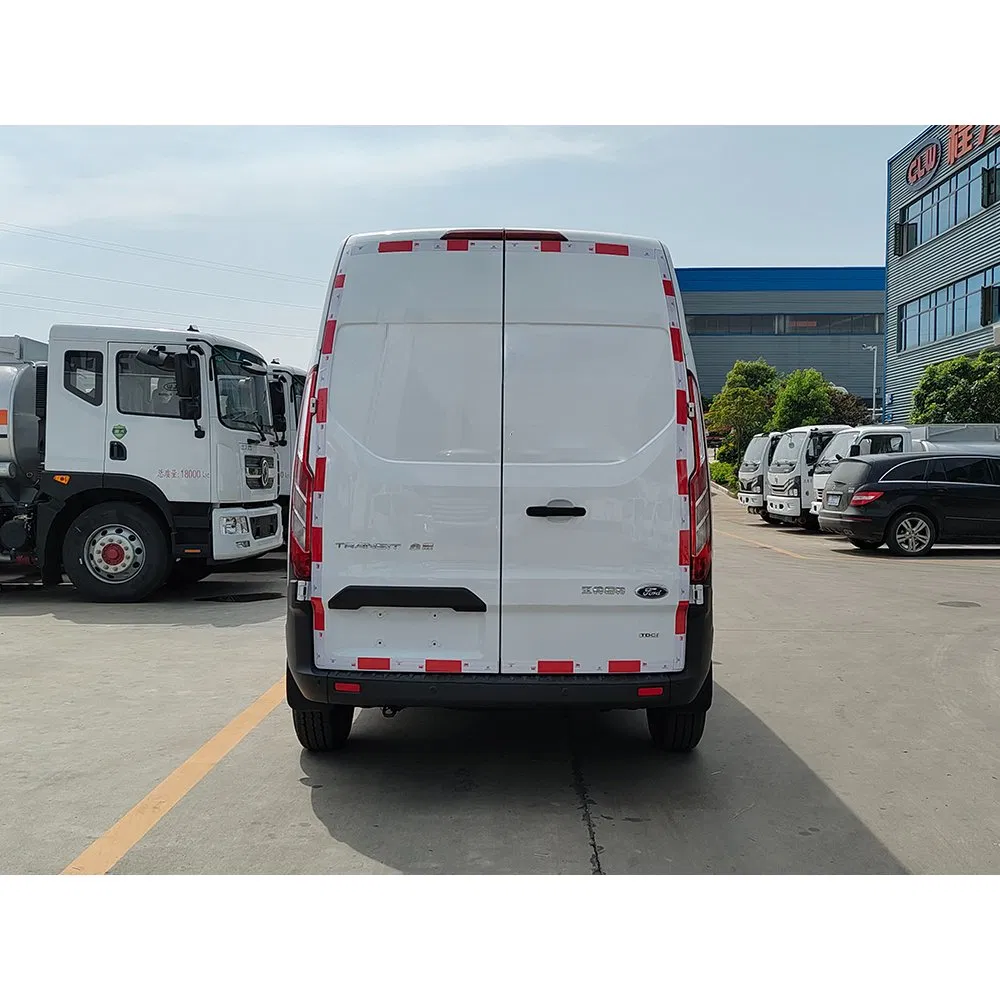
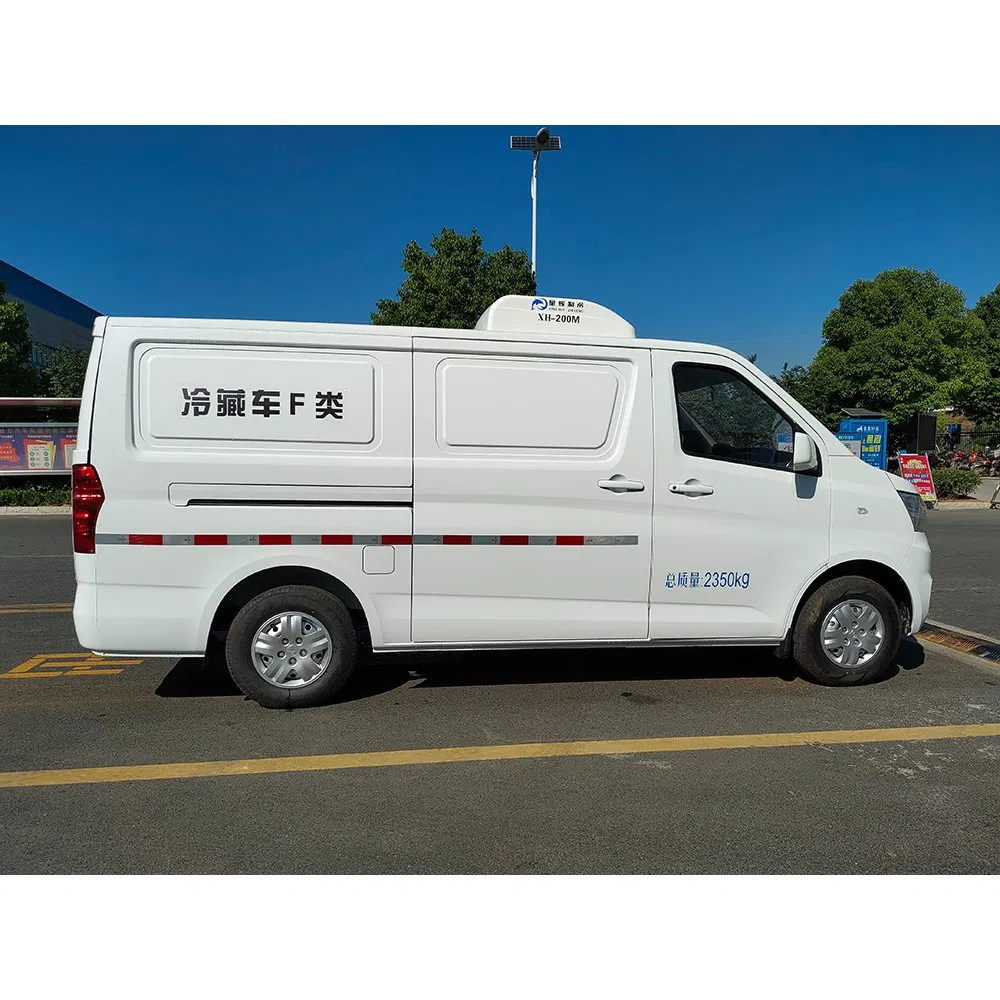
4.2 m Light RHD Refrigerated Delivery Truck
16 m³ | 3–3.5 t Payload | -18°C or +2°C to +8°C | Engine-Driven Unit (Optional Brands) · Built on Isuzu chassis · Confirmed RHD
6.2 m Medium RHD Cold-Chain Truck
30 m³ | 6–8 t Payload | 80–100 mm PU Insulation | Dual-Temp Partition Optional · Built on Isuzu chassis · Confirmed RHD
Confirmed RHD Chassis Options & Lead Time vs LHD
True factory-built RHD refrigerated trucks—not aftermarket LHD-to-RHD dashboard conversions—are legally required for registration across Kenya, Tanzania, Uganda, Zambia, Zimbabwe, and South Africa. Confirming the exact RHD chassis platform before placing a deposit protects your import clearance and keeps production schedules predictable.
Confirmed RHD Base Platforms
- Built on Isuzu chassis (Light & Medium 3 t – 10 t): The most familiar cold-chain base in Nairobi, Kampala, and Lusaka. Strong fuel efficiency for multi-drop city routes and deep local dealership parts availability.
- Built on Sinotruk HOWO chassis (Medium & Heavy 8 t – 20 t): Popular for 6.8 m to 9.6 m regional and cross-border reefer runs where buyers want heavy payload margins, robust leaf-spring suspension for rough stretches, and competitive acquisition cost.
- Built on Foton or Dongfeng chassis (Light & Medium 2 t – 8 t): Cost-effective RHD alternatives for expanding urban food-distribution fleets requiring modern cabs and Cummins/Isuzu-series engine options.
Production Lead Time: RHD vs. LHD
While LHD chassis often sit in continuous factory stock (allowing complete reefer fabrication in roughly 20–30 days), confirmed RHD chassis are produced in scheduled export batches. Expect 30 to 45 days total factory production time for standard RHD refrigerated builds—and 45 to 60 days if you specify an independent imported cooling unit, stainless-steel meat-hanging rails, or custom dual-zone partitions. Planning ahead is essential for buyers aligned with Kenya’s vehicle import rules; see our Kenya truck export guide for market-specific configuration notes.
7.6 m Heavy RHD Intercity Reefer Truck
44 m³ | 10–12 t Payload | -20°C Deep Freeze | 380V Standby Power Optional · Built on Sinotruk HOWO chassis · Confirmed RHD
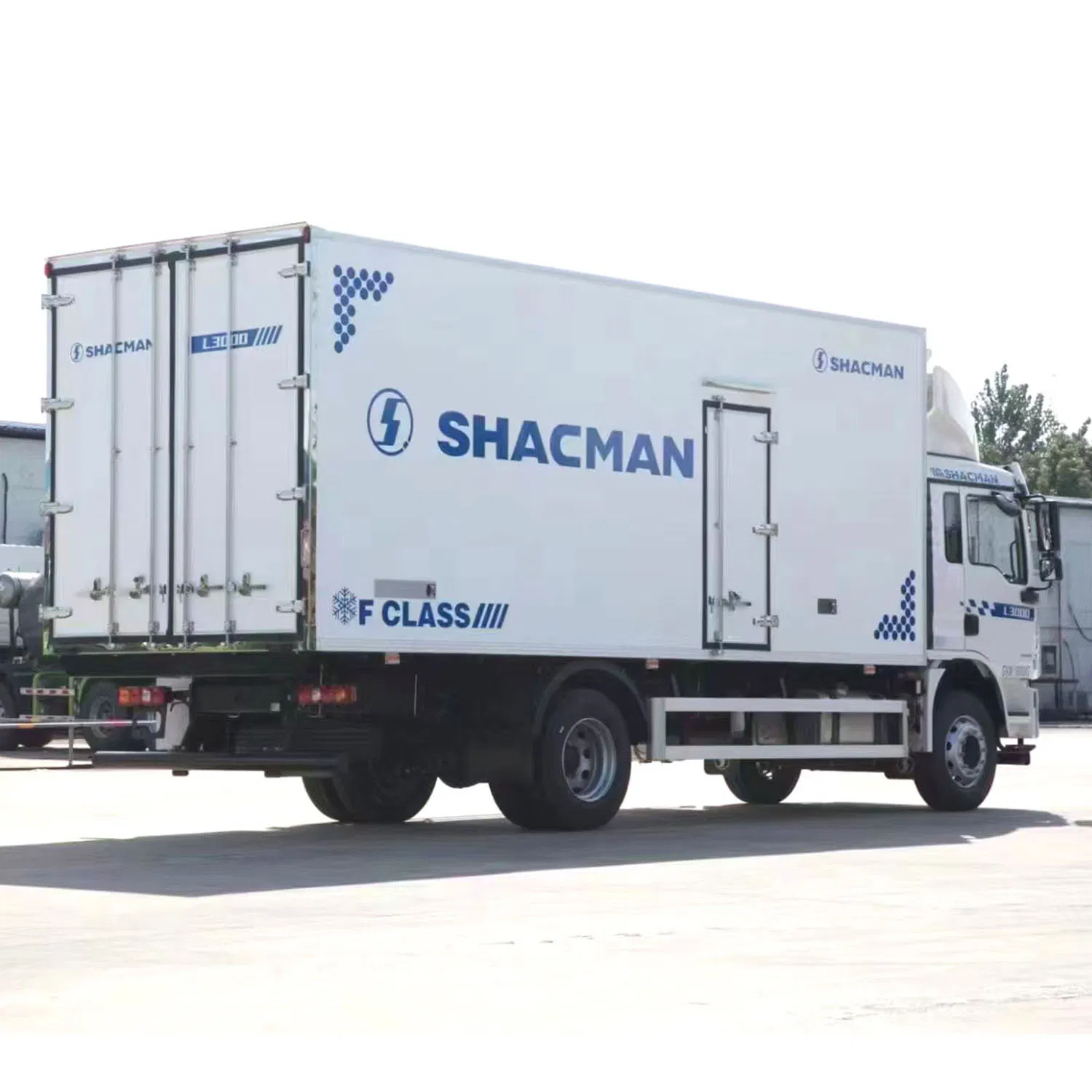
9.6 m 6x4 RHD Cross-Border Refrigerated Truck
56 m³ | 16–20 t Payload | Independent Diesel Reefer Unit (Optional) | T-Floor · Built on Sinotruk HOWO chassis · Confirmed RHD
What Is Included in FOB vs CIF Shipping to Mombasa & Dar es Salaam
For East and Southern African buyers, quoting CIF Mombasa (Kenya) or CIF Dar es Salaam (Tanzania) provides full visibility into landed port cost before vessel booking—while clearly separating factory export obligations from local customs clearance.
| Cost & Responsibility Item | FOB China Port | CIF Mombasa / Dar es Salaam | Who Handles Execution | Actions |
|---|---|---|---|---|
| Complete RHD Truck + Thermal Pull-Down Test | Included | Included | Export Factory | View Models | Get FOB Quote |
| China Inland Port Delivery & Export Customs | Included | Included | Export Factory | View Models | Get FOB Quote |
| Ocean Freight (Ro-Ro or Bulk Vessel) & Marine Insurance | Buyer arranges | Included to named port | Factory / Forwarder (on CIF) | View Models | Get FOB Quote |
| Port Handling, Import Duties, VAT & Transit Bond | Excluded | Excluded | Buyer & Licensed Clearing Agent | View Models | Get FOB Quote |
Shipping & Documentation Details for East Africa
- Vessel Choice (Ro-Ro vs. Container/Bulk): Most 4.2 m to 9.6 m refrigerated trucks ship via Ro-Ro vessels directly into Mombasa or Dar es Salaam, keeping the insulated box protected inside enclosed decks. Compact 3.5 m–4.2 m chassis-cab bodies can occasionally be evaluated for 40HQ container loading if box height fits internal door clearance, though Ro-Ro remains the standard method.
- Factory Export Documents Supplied: Standard export packages include the Commercial Invoice, Packing List, Original Bill of Lading (or Telex Release), Certificate of Origin, and chassis/engine specification sheets.
- Transit Corridors to Landlocked Countries: Buyers in Uganda typically clear via Mombasa (Northern Corridor), while buyers in Zambia, Zimbabwe, Malawi, and eastern DRC commonly route through Dar es Salaam (Central/Southern Corridor) or Durban/Walvis Bay depending on inland transit bond arrangements.
- Regulatory & Inspection Notice (Last updated: November 2026): Pre-shipment inspection requirements (such as KEBS PVoC in Kenya, TBS PVoC in Tanzania, or UNBS/ZABS rules for transit markets), import duty rates, and right-hand-drive age/compliance rules are governed by local authorities and subject to periodic updates. Always confirm current destination clearance requirements with your local clearing agent before shipment; the factory coordinates physical access for mandated pre-shipment inspections in China when arranged.
Specifying Insulation & Cooling Units for Hot Climates
In East African coastal humidity (Mombasa, Dar es Salaam) and high-altitude sun exposure (Nairobi, Lusaka), cold-chain failures almost always trace back to under-insulated box walls or under-sized cooling units rather than the truck engine itself.
Insulated Box Construction Essentials
- Panel Thickness & Core Density: Specify 80 mm closed-cell polyurethane (PU) foam for chilled (+2°C to +8°C) operations and 100 mm (roof/floor/walls) for -18°C to -20°C deep-freeze haulage. High-pressure vacuum-bonded FRP/GRP fiberglass skins prevent delamination and resist corrosive coastal salt air better than painted steel sheets.
- Thermal-Bridge Protection & Doors: Insist on stainless-steel rear door locks, hinges, and frame extrusions (304 stainless) to prevent rust seizure, paired with heavy-duty PVC strip curtains behind rear and side doors to stop warm humid air from rushing in during urban deliveries.
- Airflow Floor & Accessories: Extruded aluminium T-profile ventilation flooring allows cold air to circulate underneath palletised cargo back to the evaporator return duct. Optional upgrades include E-track cargo lashing rails, interior waterproof LED lighting, drain valves, and digital multi-point temperature data loggers with cab printers.
Cooling Unit Selection (Optional Brands Available)
Cooling units are supplied as optional configurations—allowing fleets to choose between globally serviced Tier-1 brands (such as Thermo King or Carrier) and proven heavy-duty Chinese refrigeration units depending on budget and local technician access:
- Non-Independent (Engine-Driven) Units: Driven by a compressor belted to the truck’s main engine. Lower upfront cost and lighter weight, making them ideal for 3.5 m to 6.2 m urban delivery trucks running 6–10 hours daily. Limitation: cooling stops when the truck engine switches off unless an electric standby option is added.
- Independent (Self-Powered Diesel) Units: Equipped with an autonomous diesel engine mounted on the front bulkhead. Essential for 7.6 m to 9.6 m intercity and cross-border trucks (e.g., Mombasa to Kampala or Dar es Salaam to Lusaka) because the cargo box stays frozen even if the truck sits overnight at a border post or undergoes engine service.
- Electric Standby (220V / 380V Plug-In): Strongly recommended for both unit types if your depot loads trucks the night before dispatch, allowing silent pre-cooling on grid power without idling the truck engine.