
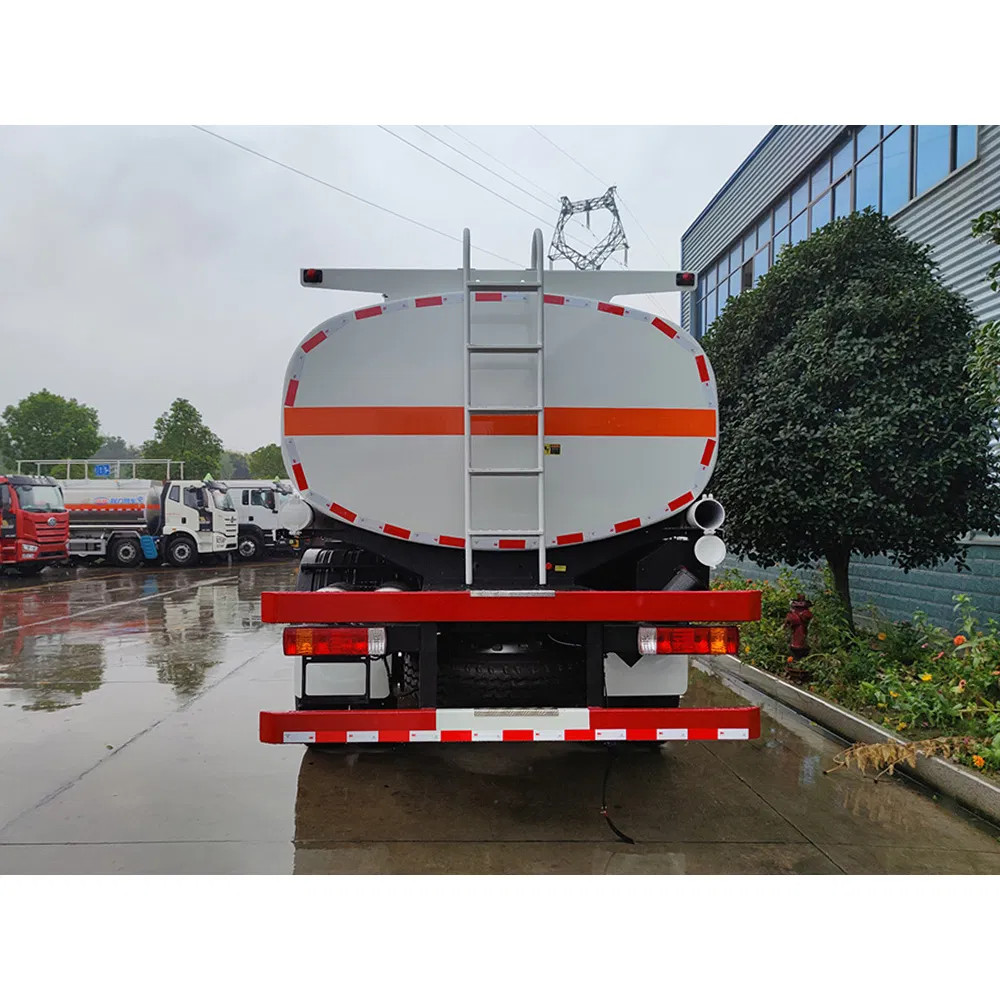
 LHD · RHD to order
FAW 10,000 L Fuel Tanker Truck (CL5120GYYC6)
- Chassis
- Built on FAW chassis (CA1120P40K59L4BE6A84)
- Capacity / duty
- 10 m³ (10,000 L)
- Drive
- 4x2
APPLICATIONS & OPERATING DUTIES
A working day explains more than a body name. Use the cargo, route, loading cycle and service conditions to narrow the vehicle and equipment discussion.
For fuel, water, milk, food oils or other liquids, begin with the exact cargo and the collection and discharge process. Requested volume alone leaves important questions unanswered: material compatibility, hygiene needs, compartment use and transfer equipment all depend on the actual application.
A farm collection route, a fixed-site delivery round and a remote refuelling task use different workflows. Explain the distances, frequency of stops and equipment at each end. That information helps define which systems belong on the truck and which are supplied by the receiving site.
Explore tanker categoriesDescribe the goods and the condition in which they enter the body. Include the required transport temperature, ambient conditions, route duration and door-opening pattern. A refrigeration discussion should follow the whole distribution cycle, including loading, waiting and repeated deliveries.
For a fleet, explain whether the same truck will serve long routes and multi-drop rounds or whether separate configurations are needed. Body access and the refrigeration requirement should reflect that use.
Explore cold-chain vehicles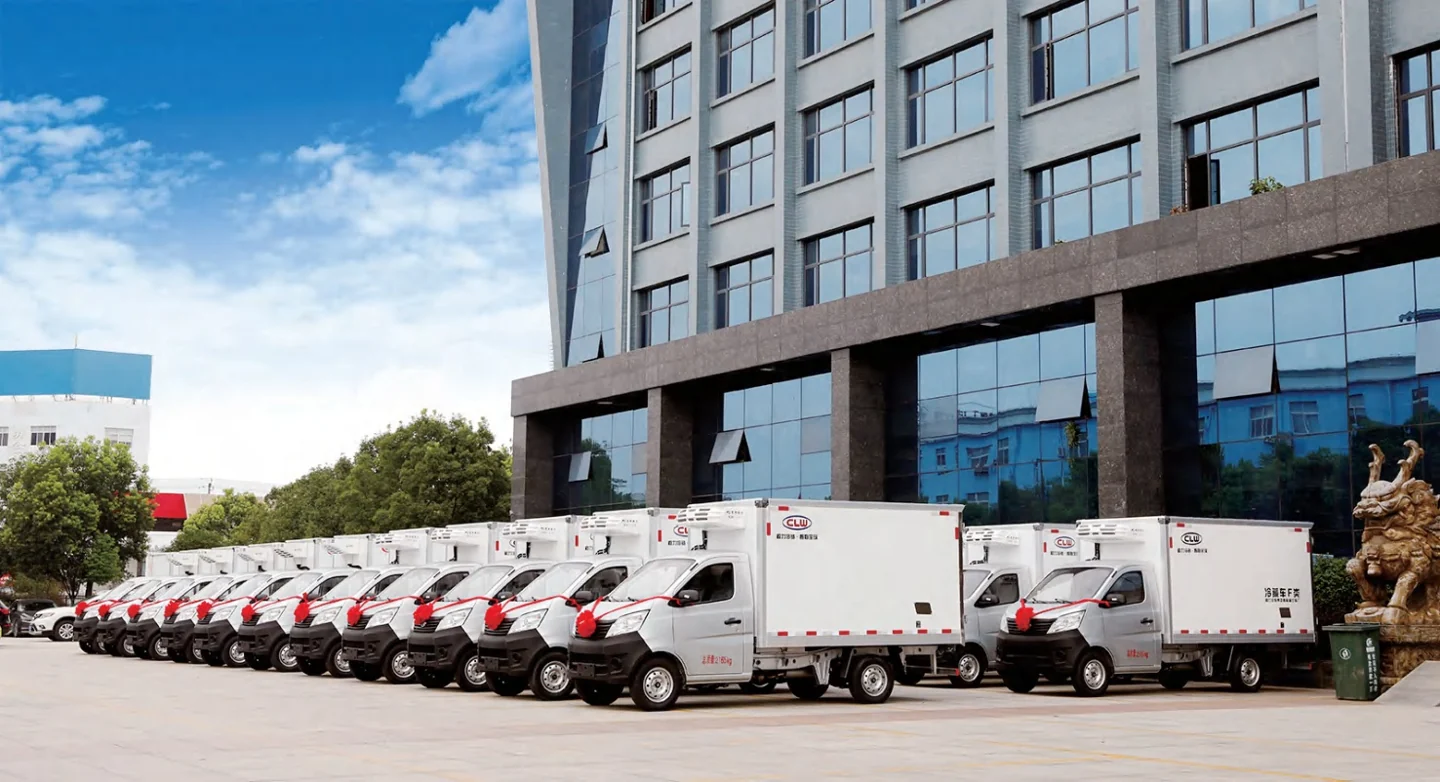
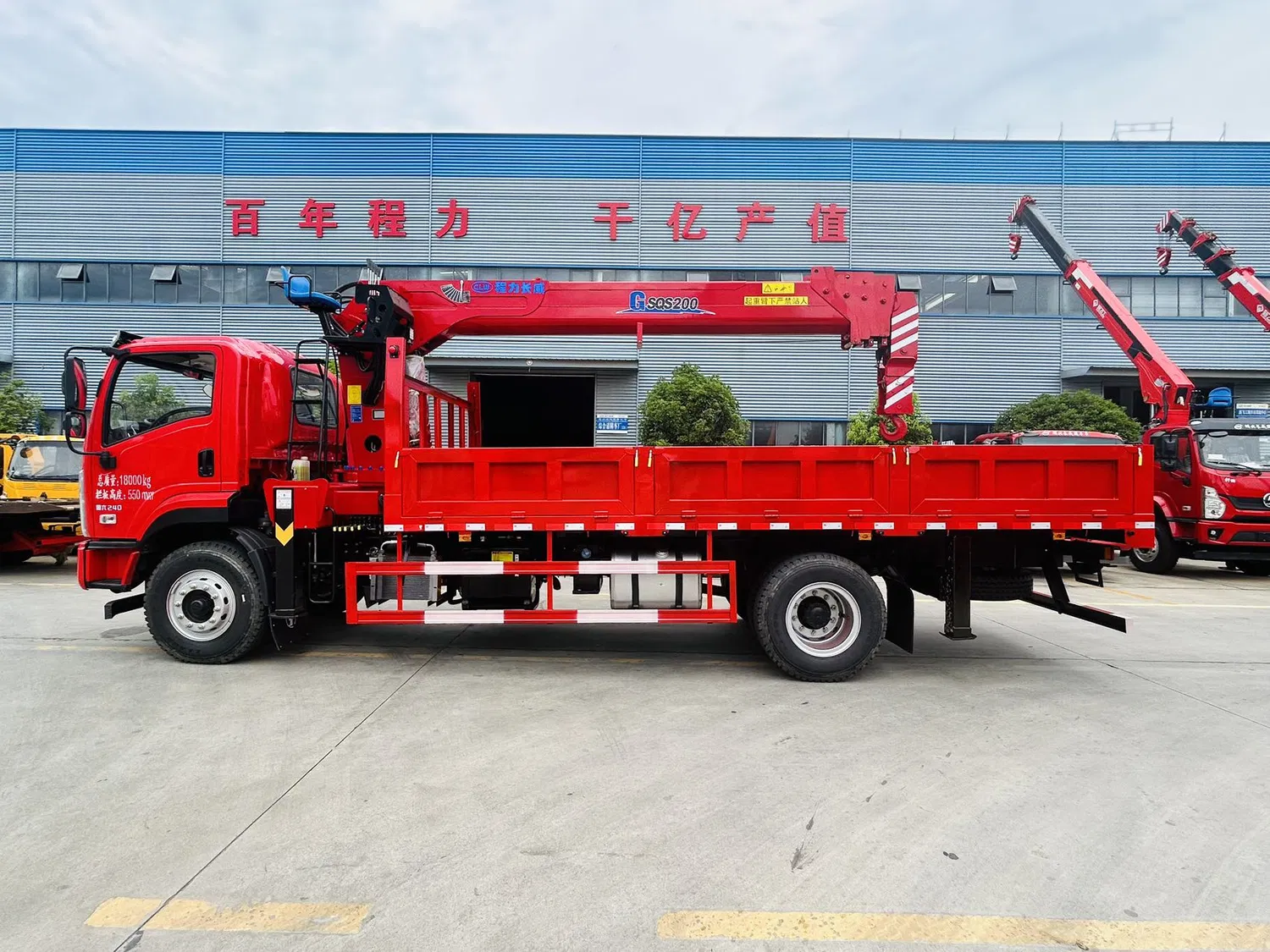
Tippers, mixers, truck-mounted cranes and transport vehicles serve different stages of a project. Start with the material or equipment being moved, the work position and the loading or discharge arrangement. Site access, ground conditions and the space around the vehicle can be as important as the requested working capacity.
| Duty | Questions that shape the requirement |
|---|---|
| Bulk material movement | What material is carried, how is it loaded, and where does the truck discharge? Describe the route, site approach and daily cycle. |
| Concrete-related work | What is the supply and delivery pattern? State the requested body/equipment duty and the conditions at loading and placement points. |
| Truck-mounted lifting | What must be lifted and at what working position? Include the required radius, load information and available operating space for review. |
| Equipment transport | What are the load dimensions, handling method and route restrictions? Identify ramps, loading equipment and receiving conditions. |
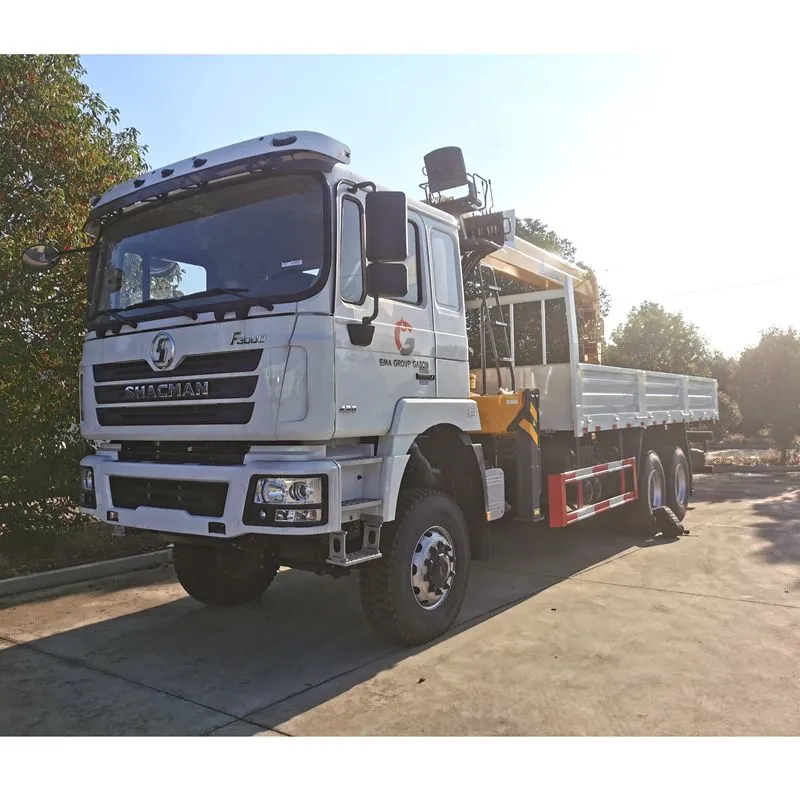
Ask for the offered lifting or working equipment to be identified by its actual specification. A general product-family image does not replace the operating limits, equipment documentation or acceptance scope for the installation.
Explore construction vehiclesRemote operations need a vehicle brief that covers both travel and the work performed on arrival. Describe road condition, terrain, route length, access restrictions and the equipment or fleet being supported. Then list the required service functions, whether fluid transfer, tools, repair equipment or a mobile working area.
For a mobile workshop, distinguish essential tools from optional equipment and show how technicians need to reach them. For site support, explain the equipment connections and transfer points. These are configuration inputs, not assumptions that every remote-site truck has the same equipment or off-road capability.
Explore civilian site-support vehiclesA box-body distribution truck, a bulk-feed vehicle and a farm collection tanker may all work in the agricultural supply chain, but their loading, discharge and cleanliness requirements differ. Describe the cargo form, collection points and the receiving equipment before choosing the body.
| Operation | Include in the enquiry |
|---|---|
| General cargo distribution | Cargo dimensions and packaging, requested payload, body access, loading equipment and delivery locations. |
| Farm collection | Cargo, collection method, connection and cleanliness requirements, route and number of stops. |
| Bulk feed or loose material | Material, requested body duty, loading source, discharge method and receiving-bin access. |
| Equipment and mixed loads | Load dimensions, loading method, restraint requirements supplied by the buyer, and route or yard restrictions. |
For repeat operations, a short description of one complete working cycle is valuable: where the truck starts, how it is loaded, how far it travels, how it unloads and what happens before the next trip. Send that cycle with the quantity, steering side, country and port to start a comparable quotation.
Explore logistics and farm vehicles Turn your working duty into an enquiryVEHICLES BY OPERATING SECTOR
Move directly from operating duty to verified vehicle specifications across our five commercial families.
LHD · RHD to order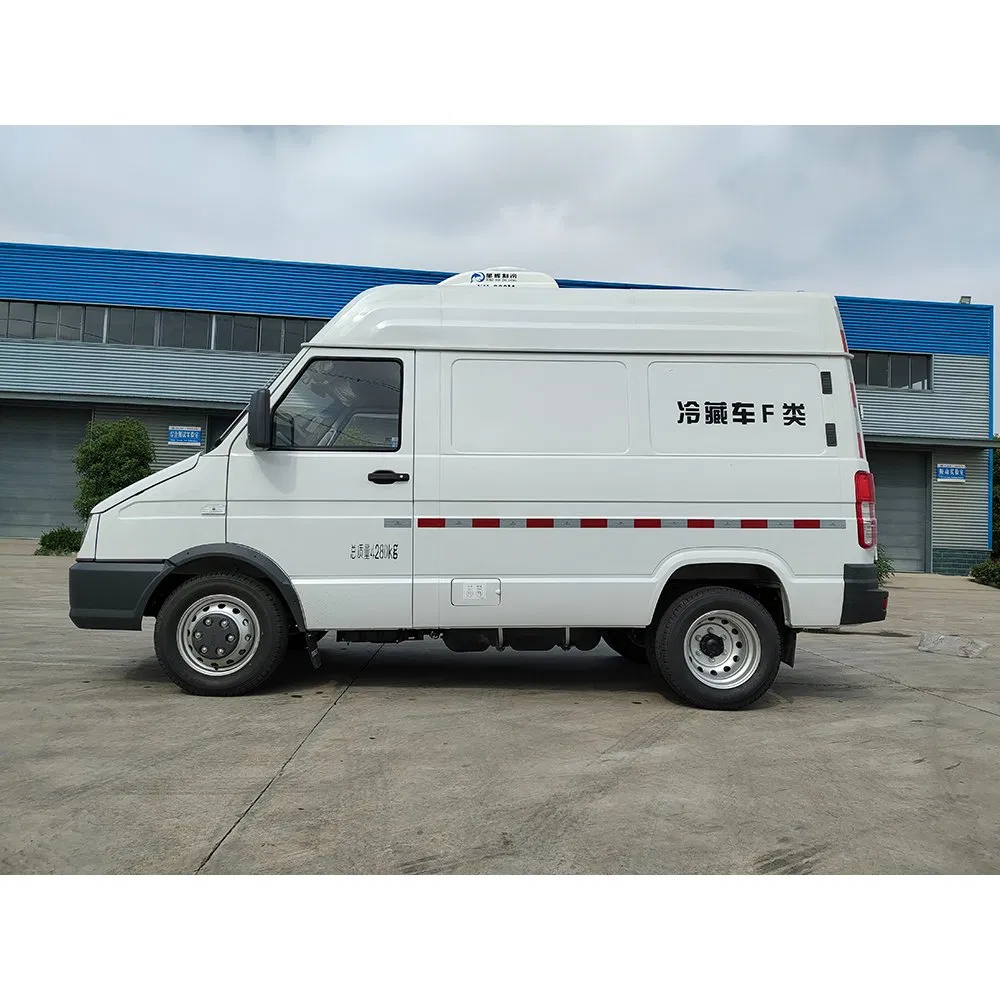 LHD · RHD to order
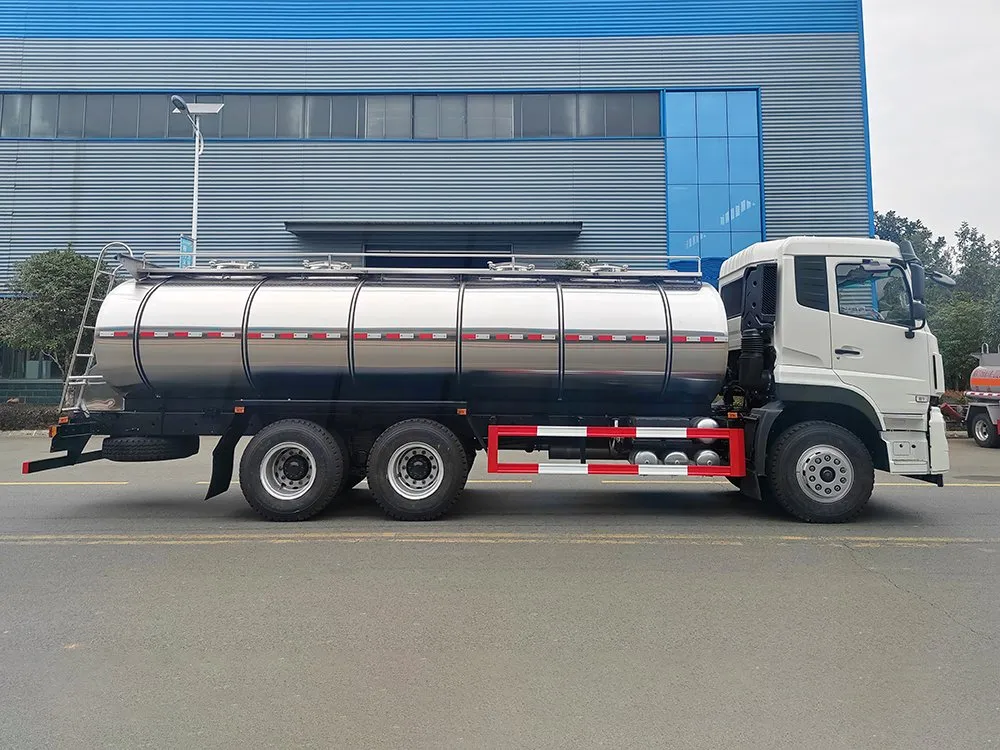 LHD · RHD to order
 LHD · RHD to order
 LHD · RHD to order
 LHD · RHD to order
LET’S SPECIFY YOUR NEXT TRUCK
Tell us the working duty, destination and preferred delivery terms.